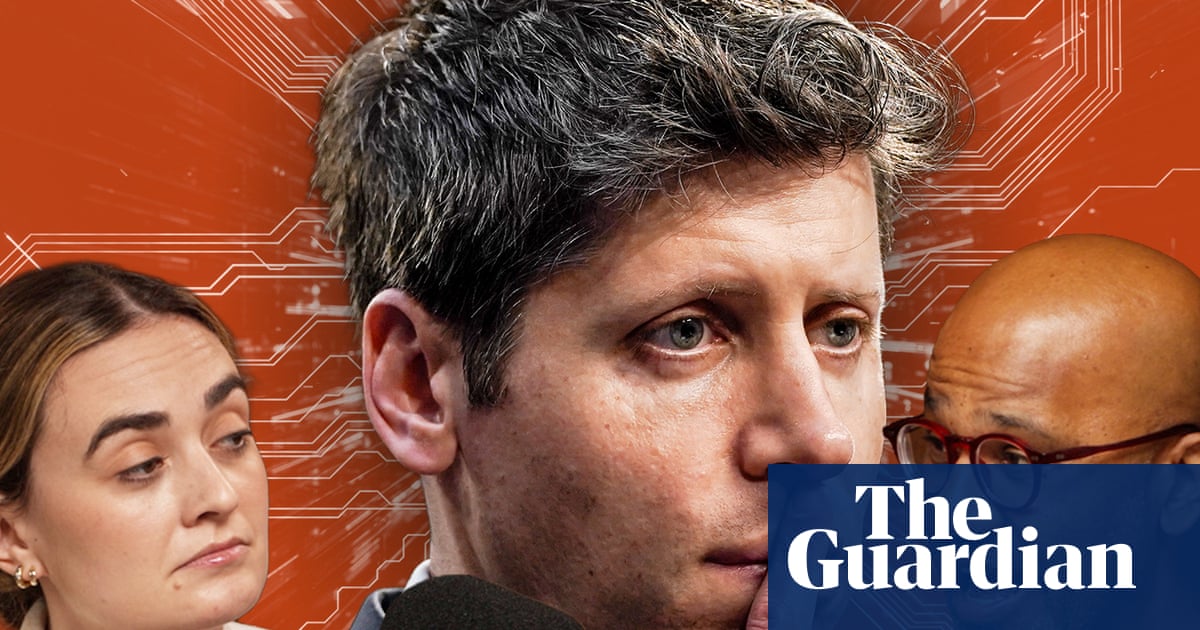
Pope urges 'disarming' of AI in major manifesto
Pope Leo XIV has issued a major manifesto, "Magnifica Humanitas," calling for the "disarming" of artificial intelligence and warning against its potential to create new forms of slavery. The encyclical, presented at the Vatican alongside AI experts, emphasizes freeing AI from logics of domination and exclusion, particularly in lethal autonomous warfare. Leo highlighted the hidden human cost of AI, from content moderators to child laborers extracting rare earth elements, and stressed the need for AI to be human-friendly, accessible, and open to debate. This document marks a cornerstone of his papacy, aiming to guide the ethical development of AI globally.
The Pope's manifesto, while originating from the Vatican, carries significant implications for Asia's rapidly expanding tech sector. As Asian nations like China, India, and South Korea become global leaders in AI development and deployment, the call for ethical AI, disarmed from competitive and exploitative logics, resonates deeply. The emphasis on preventing AI from becoming an instrument of domination or exclusion directly challenges the geopolitical and commercial ambitions driving much of Asia's AI investment, particularly concerning surveillance technologies and military applications.
Furthermore, the Pope's critique of the hidden human cost behind AI, from content moderation to resource extraction, highlights issues prevalent across Asian supply chains. Many Asian countries are at the forefront of both AI development and the labor-intensive processes that underpin it. This encyclical could spur greater scrutiny from civil society, investors, and governments within Asia regarding labor practices, environmental impact, and the equitable distribution of AI's economic benefits, potentially influencing regulatory frameworks and corporate social responsibility initiatives across the continent.
Related reading
6 stories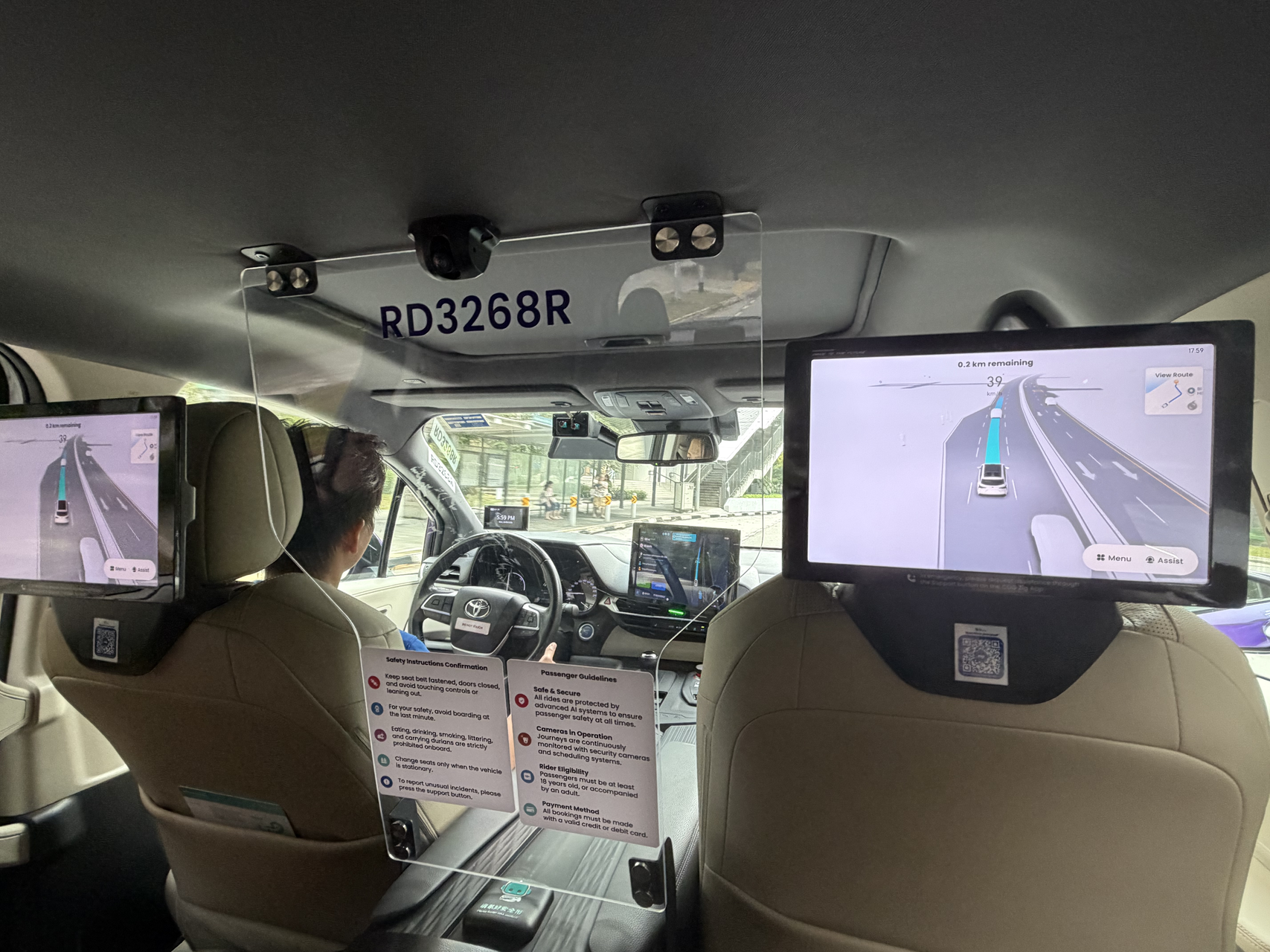
If driverless cars already work, why aren’t they everywhere?

Sumsub Launches Workforce Verification as Deepfake Risks Grow
ByteDance’s AI-enhanced short-drama app eclipses China’s Netflix rivals combined

Timo Joins Top 10 Banks in Vietnam by Customer Satisfaction

Payment Agility and Modernisation for the Age of Intelligence