
Plugged in, not locked in: middle powers navigate US-China AI rivalry
Countries from Southeast Asia to the Middle East are reportedly adopting flexible partnerships over closed alliances in artificial intelligence. Alejandro Reyes, an adjunct professor at the University of Hong Kong, stated that these “middle powers” are exercising agency by preferring to “plug in” rather than be “locked in” to a single superpower.
The trend among various nations is to avoid exclusive, single-superpower alliances in the AI sector. This approach, highlighted by Reyes, suggests a deliberate strategy to maintain autonomy while engaging with the broader AI landscape.
Reyes' observation indicates these countries aim for adaptable engagements, allowing them to access AI technologies and expertise without committing to a singular geopolitical alignment. This means they can select partnerships based on specific project needs rather than being bound by a comprehensive, exclusive pact.
This flexible model enables nations to benefit from advancements and collaborations from multiple sources. It reflects a desire to secure diverse AI capabilities and opportunities, rather than being restricted by the terms of a sole, deep alliance.
Share this article
Related reading
6 stories
NVIDIA’s Jensen Huang Rejects Anthropic’s Total China Chip Ban Push, Says “I Completely Disagree” And Believes “America Is About Competition”
NVIDIA's CEO Jensen Huang also weighed in on US-China chip competition, advocating for open competition.
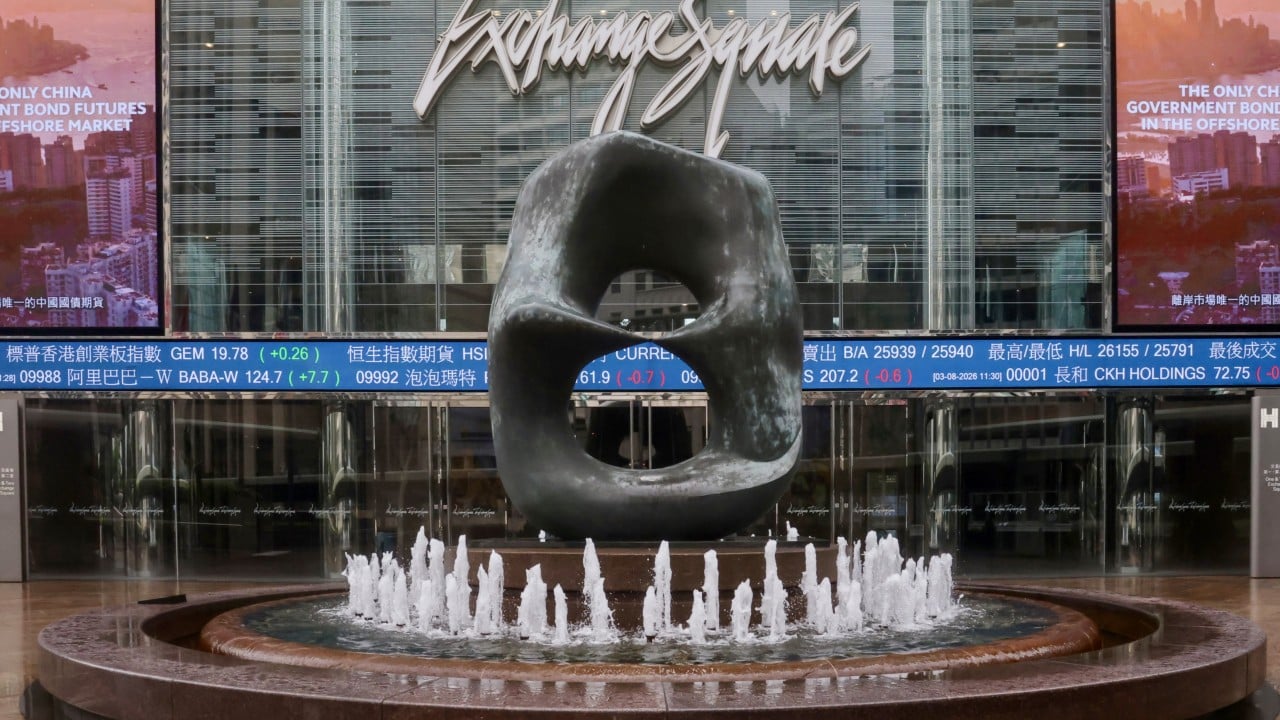
As 1 mainland Chinese chip IPO soars, another stumbles in busy Hong Kong week

Sunlife Brings Google Workspace with Gemini to Asia Advisors
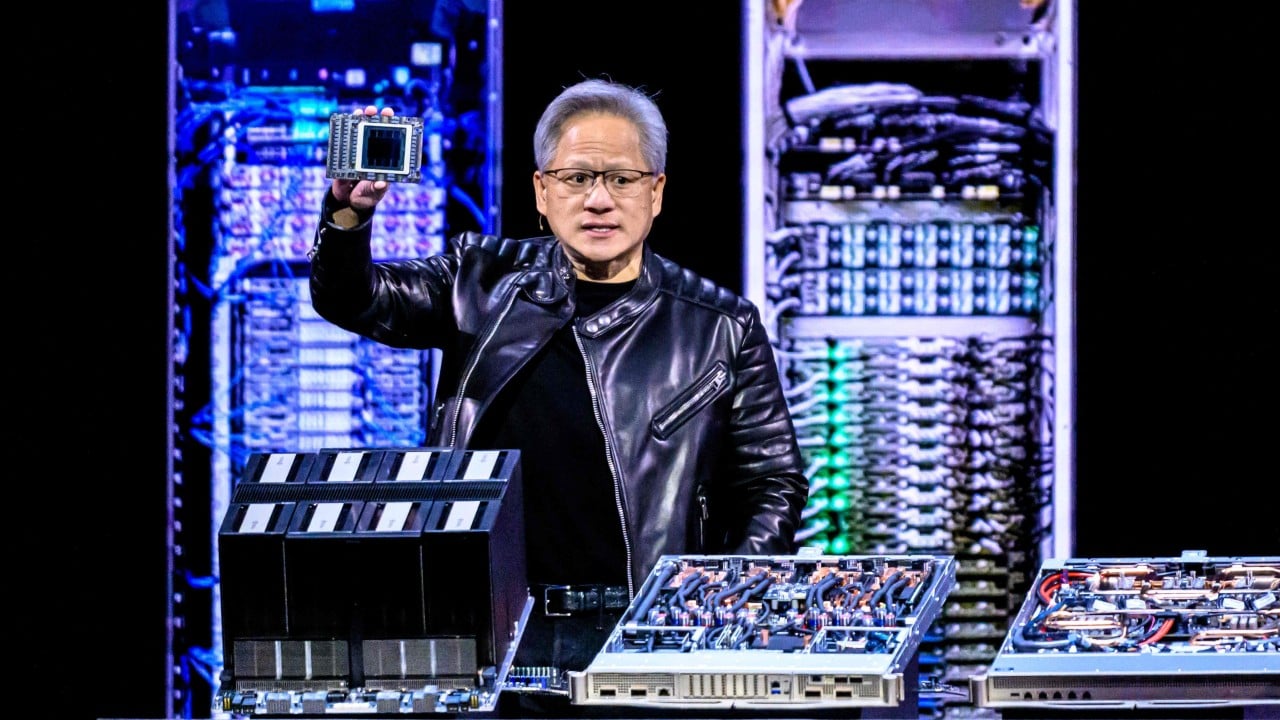
Chinese traders still confident of Nvidia GPU access amid Jensen Huang scandal

Less coupon math, more AI: what’s new for China’s 18th Singles’ Day
