Philippines handlooms weave their way into the digital age
The Philippine Department of Science and Technology (DOST) is launching a digital product passport (DPP) system for handloom textiles, aiming to help local weavers meet European Union import requirements and combat counterfeiting. This system, part of the existing DigiTELAzation Program, will provide verifiable information on textile origin, composition, and environmental footprint via QR codes or RFID tags.
The Philippines' adoption of a digital product passport for textiles is a direct response to impending EU regulations, which will require such passports for products entering its market starting in 2027. This move is critical for Philippine handwoven textiles, as Europe represents a significant export destination, with €9.5 billion in exports in 2025. Without these digital passports, products will be barred from the EU, potentially disrupting a key market for local artisans.
The DOST plans to integrate AI and digital signatures into the DPP system to authenticate textiles and verify their community of origin. This technological approach aims to enhance transparency and protect the authenticity of indigenous products. It also addresses the challenge of counterfeiting, which can undermine the value and reputation of genuine handloom textiles.
However, implementing this digital framework presents practical hurdles. An industrial development expert from the United Nations Industrial Development Organization noted that limited digital literacy and unreliable internet connectivity in rural weaving communities could impede adoption. Despite these challenges, the expert emphasized that data, on a product's origin, materials, production methods, and end-of-life, will be a crucial competitive advantage for the Philippine textile industry in the future.
Share this article
Related reading
6 stories
BOC partners with intl trade agency
Our earlier report detailed the BOC's partnership with an international trade agency, a key player in export logistics.

Multi-CDN is key to PH digital resilience

Kenneth be stopped
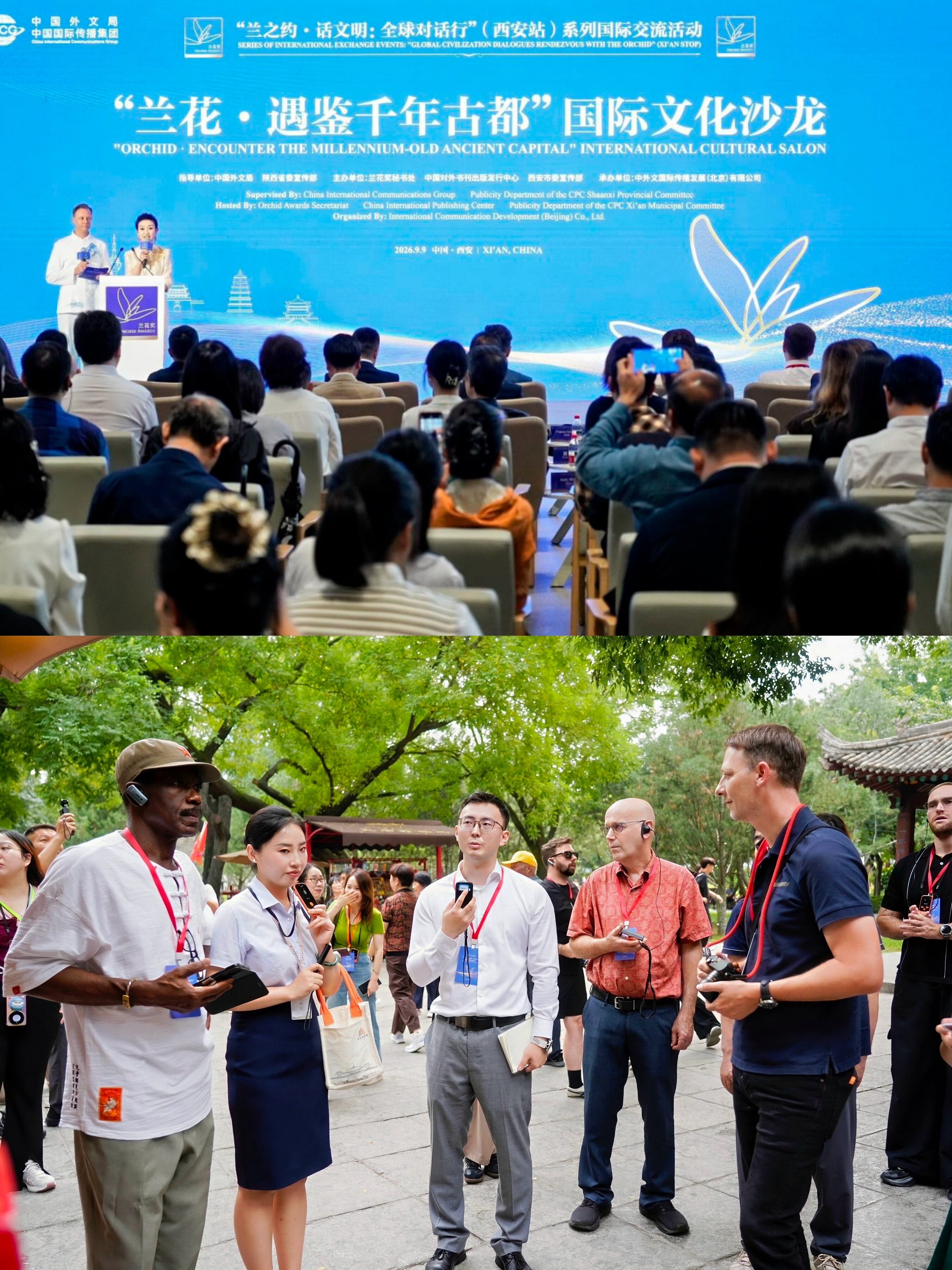
'Global Civilization Dialogues' Series Arrives in Xi'an with Orchid Awards Guests

Samsung reportedly starts mass production of the Exynos 2700 for the Galaxy S27 series