PayNow Gen2 Wants One QR Code to Work Everywhere in Singapore
Singapore’s PayNow is undergoing a significant redesign despite its widespread adoption, with the Monetary Authority of Singapore (MAS) and the Association of Banks in Singapore (ABS) launching a two-phase study to enhance the instant payment scheme. The PayNow Generation 2 Phase 1 report identifies four key upgrade areas, including improving QR code interoperability and streamlining online checkout processes. These changes aim to reduce friction in payments and provide businesses with more contextual transaction data, moving beyond just faster settlement. The initiative also explores increasing transaction limits for public-sector payments and integrating structured data for business reconciliation, signaling a push to make PayNow more versatile and efficient for both consumers and enterprises.
Singapore's proactive approach to upgrading PayNow, even with its high adoption rates, underscores a critical trend in Asia's digital payment landscape: the continuous pursuit of frictionless and data-rich payment experiences. While many markets focus on initial adoption, Singapore is now optimizing for user experience and business utility, setting a high bar for payment infrastructure evolution in the region. The emphasis on QR interoperability, deep-linking for online checkouts, and structured data for business reconciliation reflects a mature understanding of payment pain points beyond mere transaction speed.
This initiative signals a broader regional shift where payment schemes are evolving from simple transaction conduits to integrated financial tools. By addressing issues like manual reconciliation and fragmented QR acceptance, Singapore is enhancing the competitive edge of its digital economy. The cautious but forward-looking stance on agentic commerce also highlights the region's pragmatic approach to emerging AI technologies in finance, balancing innovation with robust risk management and regulatory clarity.
Related reading
6 stories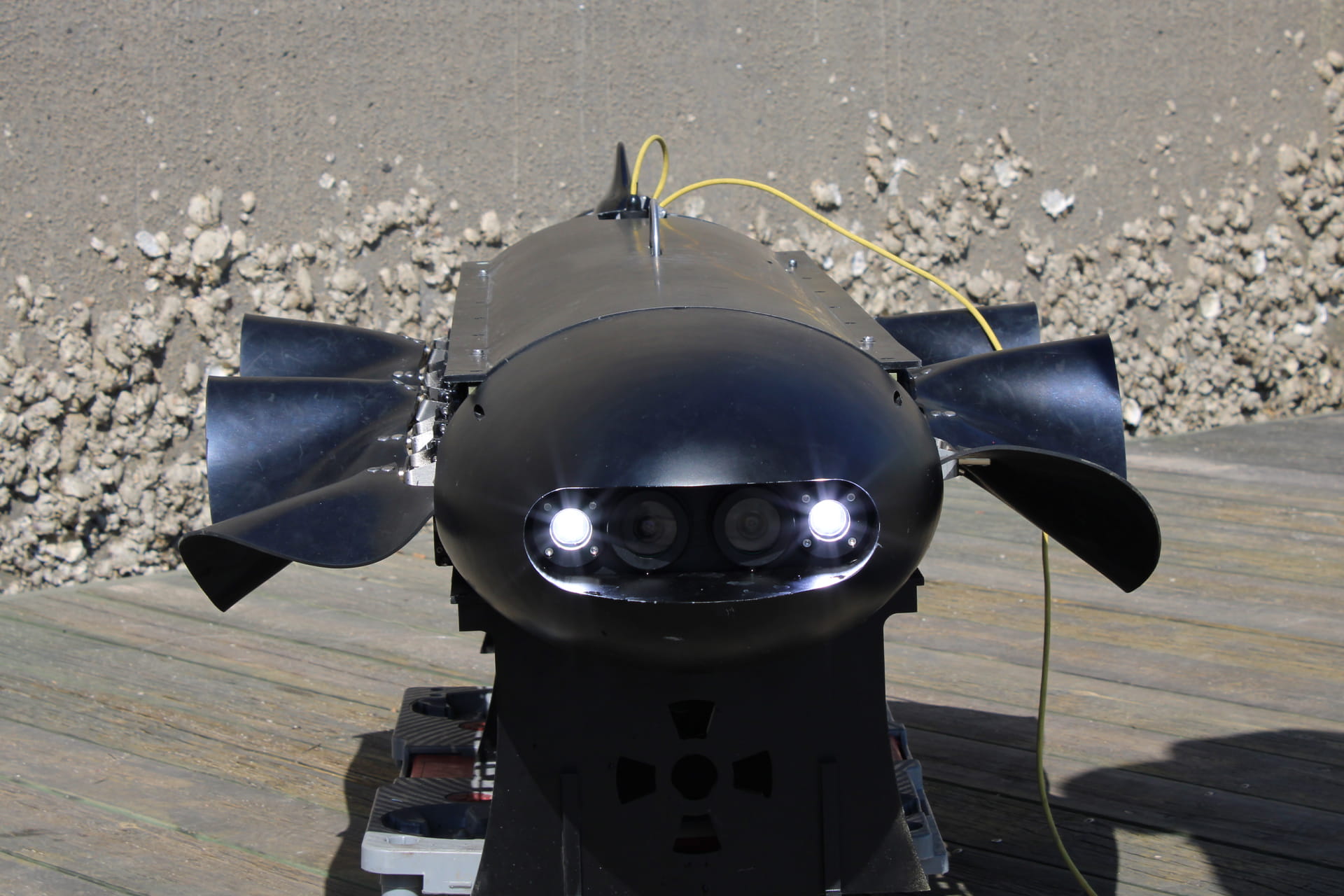
Gongzhi Marine closes three funding rounds as deep sea robot demand grows
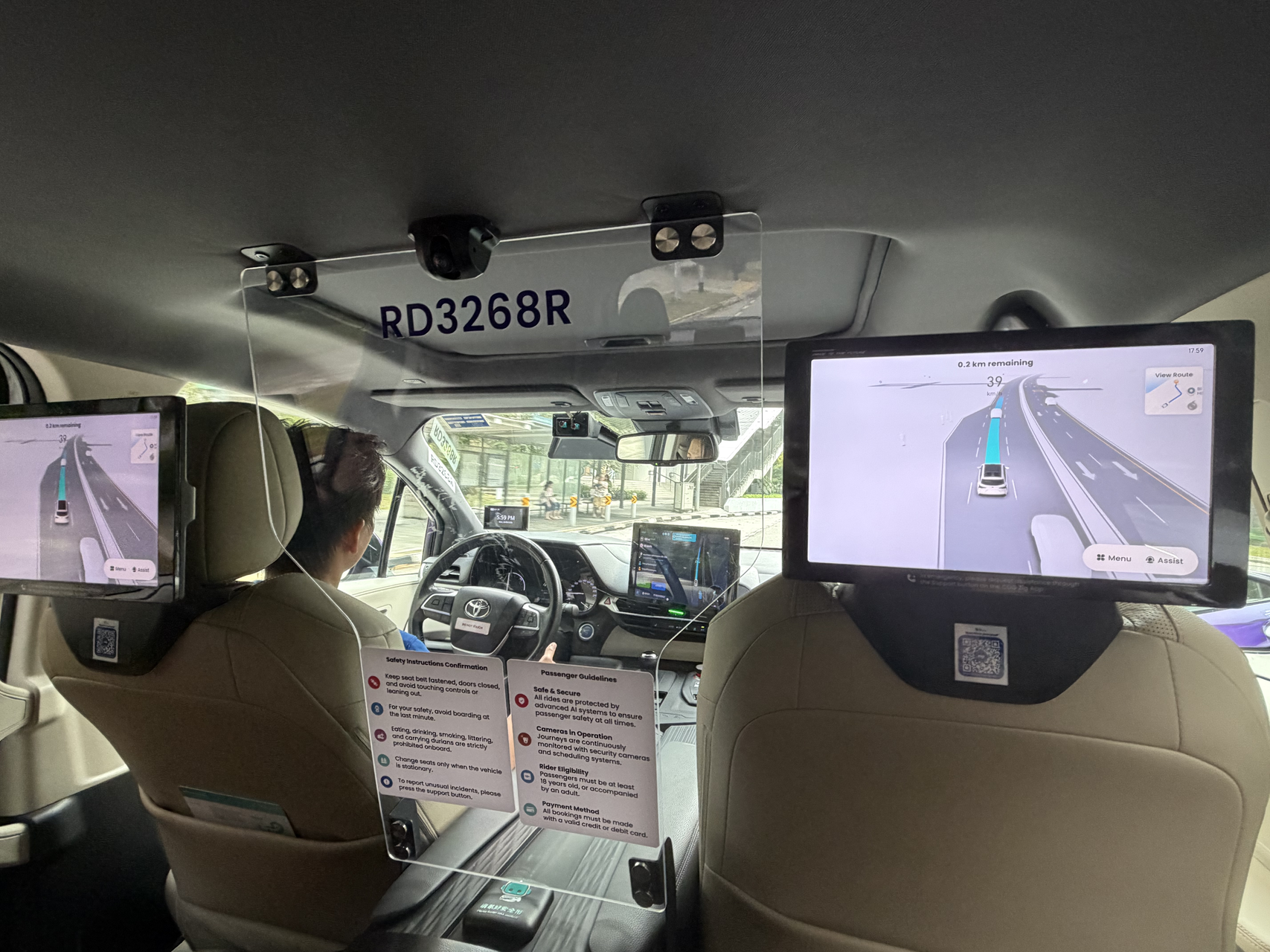
If driverless cars already work, why aren’t they everywhere?

Databricks to Invest Over US$350 Million in Singapore, Double Its Workforce
Sumsub Launches Workforce Verification as Deepfake Risks Grow
ByteDance’s AI-enhanced short-drama app eclipses China’s Netflix rivals combined