OpenAI to add invisible watermarks to ChatGPT text in EU to meet AI act rules
OpenAI plans to integrate invisible watermarks into AI-generated text produced by ChatGPT for users in the European Union. This initiative aims to comply with the EU's AI Act, although the company cautions that the technology cannot reliably verify authorship, accuracy, or responsibility for the content.
OpenAI's move to watermark AI-generated text in the EU responds directly to the regulatory demands of the AI Act. This measure reflects a broader trend of AI developers adapting their products to meet emerging legal frameworks, particularly in regions with proactive AI governance. The implementation of invisible watermarks is a technical response to a policy challenge, aiming to create a verifiable link between the output and its AI origin.
The explicit warning from OpenAI, that these watermarks do not guarantee authorship, accuracy, or responsibility, is a crucial qualification. It establishes a clear boundary for what the technology can achieve. While watermarking can indicate AI involvement, it does not solve the more complex issues of content veracity or accountability for misuse, underscoring the limitations of technical solutions in addressing multifaceted regulatory concerns.
This distinction between AI-generated content identification and content verification is important for policymakers and users alike. It suggests that while tools can help identify the source of text, the onus for fact-checking and responsible use remains largely with human actors. The watermarking serves as a signal, rather than a definitive judgment on the content's truthfulness or ethical standing, highlighting the ongoing challenge of integrating AI outputs responsibly into information ecosystems.
Share this article
Related reading
6 stories
NYC Council Speaker Julie Menin warns of AI's 'existential' risks
NYC Council Speaker Julie Menin previously warned of AI's 'existential' risks, echoing regulatory concerns.
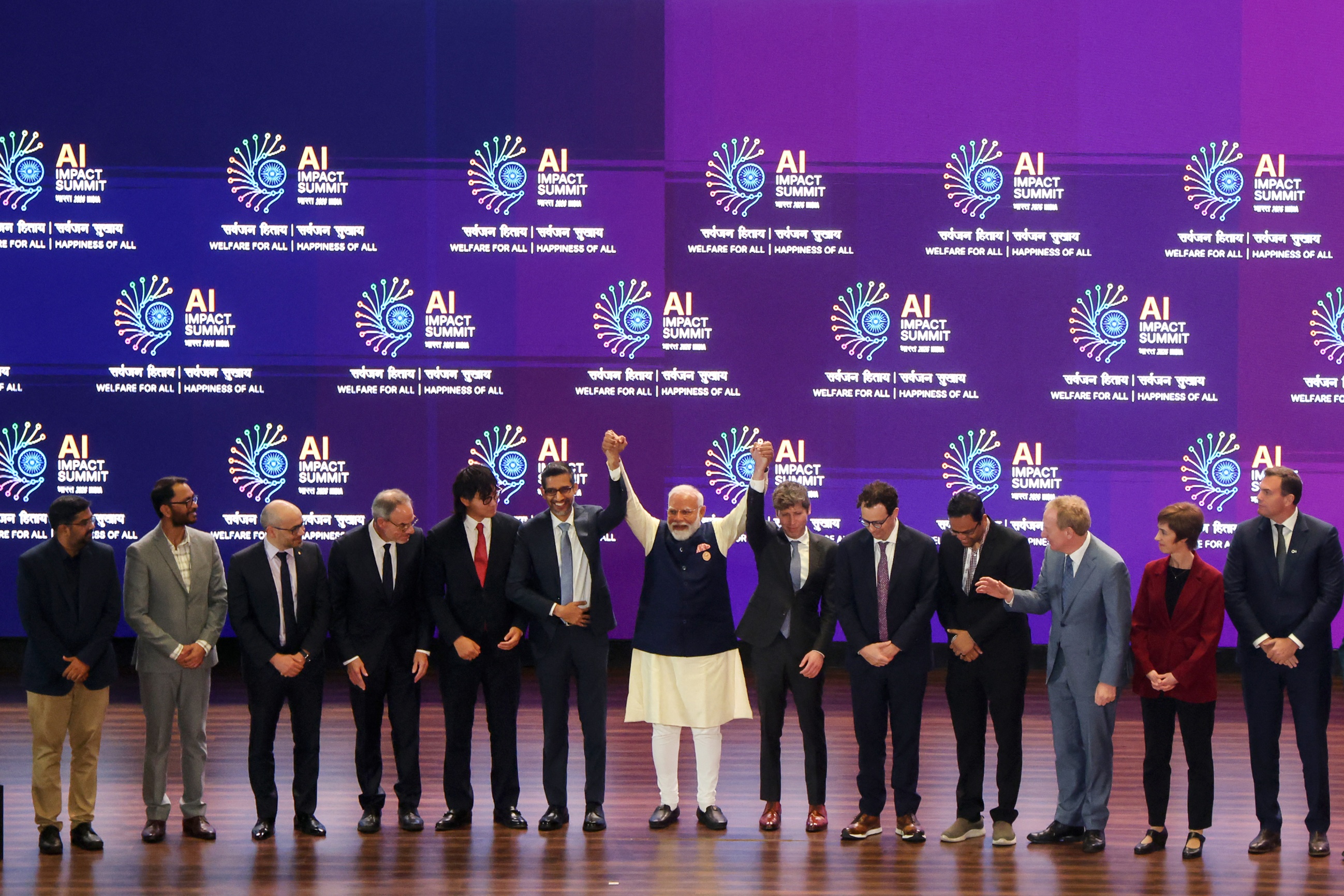
India Demands Binding AI Rules as White House Self-Policing Accord Draws Scrutiny
India's demand for binding AI rules highlights the global push for governance seen in the EU AI Act.

How Can Banks Launch New Products Without Replacing Their Core?

Wise Rolls Out Overseas QR Payments, Customisable eSIM Plans

What Are OpenAI Dots And Do You Need Them?