
Nvidia scandal heightening AI rivalry
Reports alleging an affair involving former Nvidia CEO Jensen Huang and a suspected Chinese spy are intensifying the US-China rivalry over artificial intelligence (AI) chips. US lawmakers are leveraging the incident to advocate for stricter technology export controls, while senior US officials indicate President Trump does not plan to confront Chinese President Xi Jinping on the issue this week.
The United States has predominantly focused its strategy for leading the global AI race on controlling access to advanced hardware, particularly powerful AI chips from companies like Nvidia. This approach, as noted by New York University Center for Global Affairs assistant professor Shaoyu Yuan, has been effective in slowing Chinese companies by limiting their access to cutting-edge components.
However, this hardware-centric strategy assumed the main vulnerability was the physical chips themselves, rather than access to key individuals. The alleged scandal involving a former Nvidia CEO now presents what Yuan describes as "a story with a name and a face" for US lawmakers, particularly those advocating for more stringent oversight and export controls. This incident provides new impetus for calls to tighten restrictions on technology exports.
Proposed measures include authorizing Congress to review licenses for AI chip sales to China, empowering the US Department of Commerce to track chips to prevent diversion, and compelling US allies to match these export restrictions. While senior US officials do not expect Chinese retaliation if loopholes are closed, the situation could complicate ongoing US-China discussions on AI national security, according to Brookings Institution fellow Kyle Chan.
For China, the fallout from this incident is seen as adding urgency to its existing strategic priority of building a domestic semiconductor supply chain. Tech Buzz China founder Rui Ma suggests that if access to Nvidia's computing power becomes even more restricted, Chinese companies will face increasingly limited alternatives, potentially accelerating their indigenous chip development efforts.
Share this article
Related reading
6 stories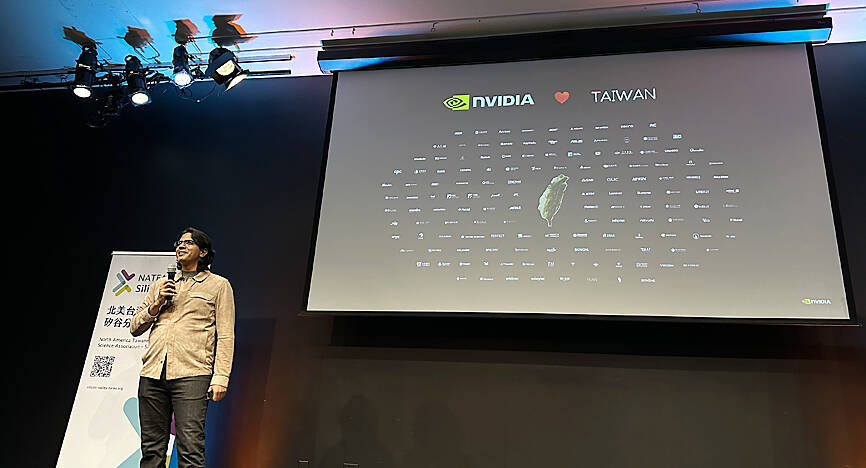
‘Nvidia loves Taiwan,’ tech executive says
Nvidia's CEO recently affirmed the company's commitment to Taiwan, a key player in the global chip supply chain.

Nvidia results, Anthropic IPO pose tests for tumultuous AI trade
Nvidia's financial results and the broader AI market dynamics continue to shape the competitive landscape.

Vietnamese Travellers Can Now Scan NETS QR Codes to Pay in Singapore

Weixin Pay Sees 84% Rise in Overseas E-Wallet Transactions

BPC Pairs SmartVista with Huawei for Payment Modernisation
