
Nvidia Responds To Report On CEO Jensen Huang-Alleged Chinese Spy Interactions: 'No Trade Secrets Shared'
US intelligence agencies reportedly concluded that Alice Huang, an executive at Singapore-based data center company Megaspeed, was a Chinese intelligence asset. The New York Times reported that surveillance revealed her close relationship with Nvidia CEO Jensen Huang, raising Washington's concerns about potential access to sensitive information amid US-China AI competition.
Nvidia responded to the allegations, stating that CEO Jensen Huang's interactions with Ms. Huang were routine business engagements, common for a CEO meeting thousands of customer executives annually. The company asserted that Megaspeed, as a customer, received only ordinary business information, not sensitive trade secrets or details relevant to national security. Crucially, the New York Times report itself did not establish that Nvidia secrets reached the Chinese government or that Jensen Huang knowingly shared sensitive information.
The allegations are particularly sensitive given Washington's efforts to restrict China's access to advanced AI chips, which are critical for developing AI systems. Alice Huang was suspected of helping direct these advanced Nvidia AI chips to China. The reported intelligence raised questions about whether information obtained through her could have provided Beijing insights into Nvidia or US policy on chip exports.
Nvidia spokesman John Rizzo conveyed the company's confidence that the US government would inform them if any person were deemed a threat to American industry. This implies Nvidia views the absence of such direct governmental notification regarding Alice Huang as consistent with their position that no sensitive information was compromised through these routine business interactions. Megaspeed, for its part, has retained outside counsel for an internal investigation and committed to cooperating with the US government to ascertain the facts.
Share this article
Related reading
6 stories
China’s optical suppliers extend sell-off as fears of slower AI growth trump upbeat earnings
We previously covered how fears of slower AI growth impacted China's optical suppliers, a related market.
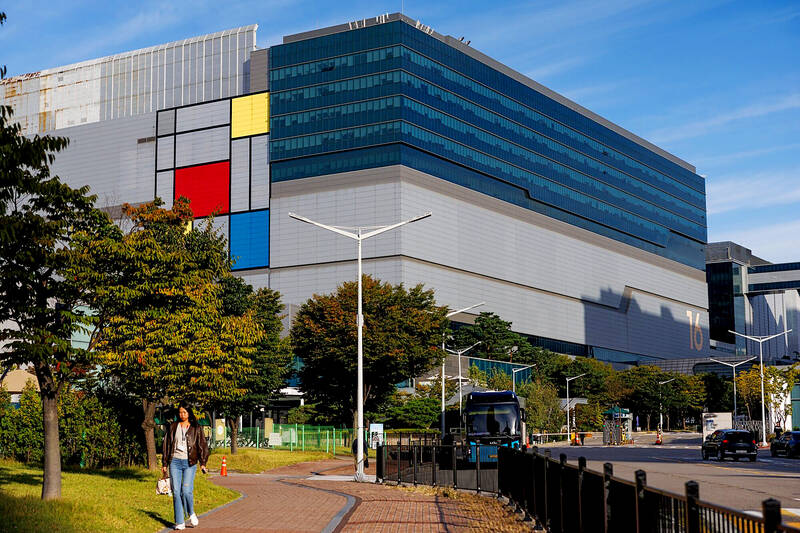
Samsung raises spending to 60% after AI chips sell out
Samsung's increased spending on AI chips after sell-outs highlights the intense demand and geopolitical stakes.

For Sale: A Rare 1971 Isuzu Bellett 1800 GT – The First Japanese “GT”

What happens when AI starts self-replicating?

Troubleshoot etcd Clusters Easily with Ivory
