NVidia CEO Huang controversy, US places tougher curbs on AI chip sales 輝達執行長黃仁勳辭職風波 美國加強管制對中國AI晶片出口
US lawmakers are pushing for tougher restrictions on China's access to advanced artificial intelligence chips following media reports about former Nvidia CEO Jensen Huang's affair with a suspected Chinese spy. Huang stepped down on Nov. 12, days after these reports, which increased scrutiny on Nvidia's role in US national security. House Speaker Mike Johnson noted a growing congressional consensus on Nov. 12 for new export controls.
The controversy surrounding former Nvidia CEO Jensen Huang has intensified US efforts to restrict China's access to advanced artificial intelligence chips. Huang resigned on Nov. 12, days after media reports linked him to an affair with an executive at a Singapore-based tech company, whom US authorities suspect of spying for Beijing. Nvidia did not address Huang’s actions in its statement; he has admitted to an extramarital affair without naming the person.
This development has brought Nvidia under increased scrutiny, particularly due to its central role in the US-China competition to develop superior AI systems. Nvidia's advanced AI chips are widely used for developing cutting-edge AI models. The US has for years sought to limit China's access to Nvidia's most advanced chips, though Chinese companies have repeatedly found ways around these restrictions. Jensen Huang had previously supported allowing more exports to China.
In response to these heightened concerns, US lawmakers from both parties are now advocating for stricter controls. House Speaker Mike Johnson confirmed on Nov. 12 that Congress shows a growing consensus for new restrictions on chip exports to China. Several legislative proposals are currently under consideration, with some lawmakers aiming to attach them to the annual defense authorization bill, a measure that funds the military and typically garners bipartisan support.
One such proposal is the AI Overwatch Act, proposed by Senator Elizabeth Warren and Senator Jim Banks. This act seeks to give Congress a larger role in reviewing changes to export rules, which could make it harder for future administrations to loosen restrictions on Nvidia's advanced chip sales to China. Currently, US law grants the Commerce Department broad authority to block or allow advanced chip exports without direct congressional input.
Another proposal, the Chip Security Act, aims to address the recurring problem of advanced chips legally sold abroad but later diverted to China. This bill would require chipmakers, including Nvidia, to track the location of advanced AI processors and notify the government if they suspect chips have reached prohibited users. The Semiconductor Industry Association, whose members include Nvidia, has indicated that mandatory tracking requirements could be costly for the industry.
The Match Act would pressure US allies, such as the Netherlands and Japan, to restrict sales and maintenance of advanced chipmaking equipment destined for China. These countries are home to companies like ASML and Tokyo Electron, which produce tools used to manufacture semiconductors. While this bill would not directly restrict Nvidia’s chip sales, supporters argue it could make it more difficult for China to develop its own advanced AI chips to compete with Nvidia in the long term.
The Remote Access Security Act targets a growing workaround used by Chinese AI companies. Instead of purchasing advanced chips directly, some Chinese firms rent computing power from overseas data centers equipped with Nvidia chips and access these systems remotely. The bill would give the Commerce Department authority to regulate this activity. The legislation passed the House in January and is awaiting Senate consideration, suggesting it could have a direct effect on Nvidia's business model for remote access services.
Share this article
Related reading
6 stories
Hong Kong stocks advance as Jensen Huang’s surprising comeback revives AI trade
Our earlier coverage traced Jensen Huang's surprising comeback and how it revived the AI trade.

China’s Z.ai ‘aggressively’ using looped transformer method to improve AI models
This piece explores how China's Z.ai is aggressively using advanced methods to improve its AI models.

OpenWay Teams Up With Visa to Expand Digital Payments in APAC

OceanBase Doubles 2026 Overseas Revenue, Launches New AI Platform
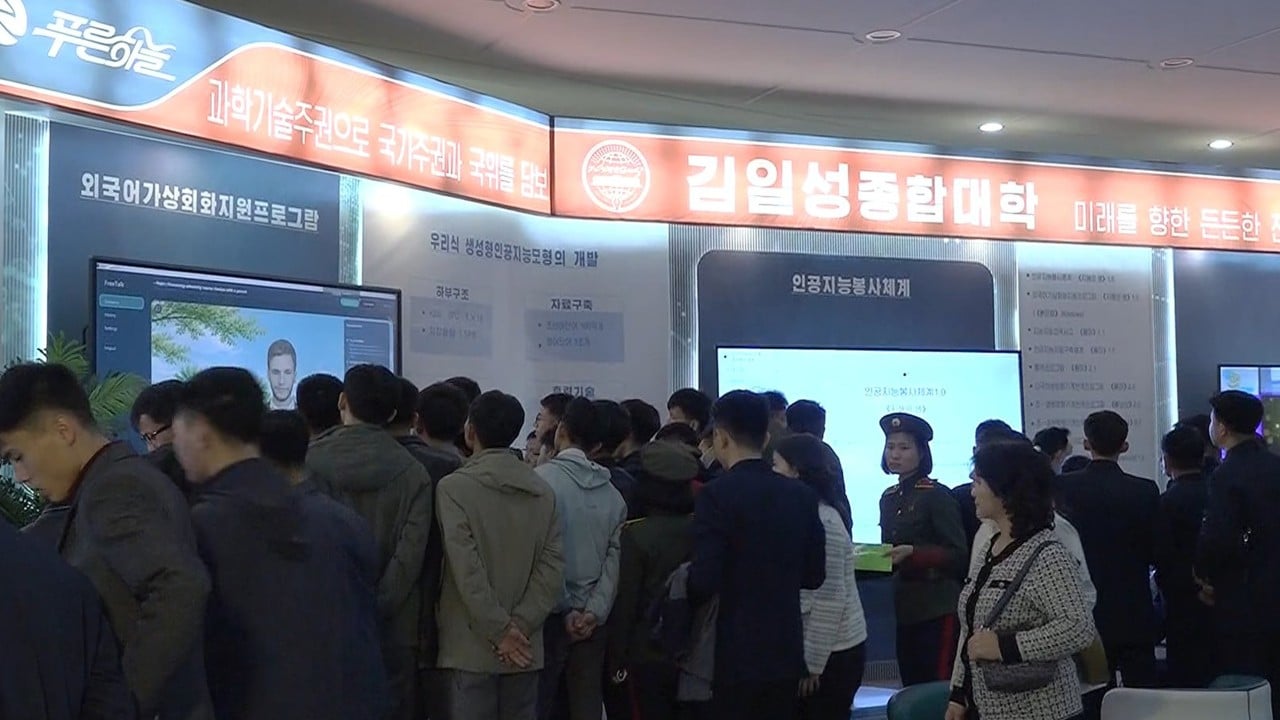
North Korea unveils first AI chatbot, but it won’t answer ‘uncultured questions’