North Korea’s Kim Jong Un returns from China after war memorial visit: State media
North Korean leader Kim Jong Un visited Dandong, China, on October 24, crossing a newly opened bridge and touring a Korean War memorial, according to North Korean state media. The visit emphasized historical solidarity and was seen as symbolizing a push to expand trade ties between Pyongyang and its largest trading partner, China.
Kim Jong Un's recent visit to China, which included crossing a newly opened bridge into Dandong, appears to serve a dual purpose: reinforcing historical alliances while also signaling an intent to deepen economic engagement. North Korean state media highlighted the "historical weight" of the visit, occurring a day before the anniversary of China's entry into the Korean War. Kim's statements, such as expressing "generational gratitude" to China, reinforce a narrative of an "unbreakable" bond forged during the 1950-1953 conflict.
The newly inaugurated bridge itself carries specific symbolic weight. Its crossing was "seen as symbolising a push by Beijing and Pyongyang to expand trade ties," according to the reporting. Kim Jong Un reportedly stated his expectation that the bridge would fulfill its "historic mission of linking the two countries and firmly joining the minds of the peoples of the two countries." This focus on new infrastructure and trade comes as both nations aim to bolster their economic relationship.
The timing of Kim's trip, ahead of an anticipated visit to the region by US President Donald Trump in November, suggests a strategic diplomatic alignment. While the precise economic outcomes of the visit are not detailed, the emphasis on a new physical connection and a desire for expanded trade indicates a potential for increased bilateral commerce. This also takes place as Pyongyang has deepened military ties with Russia over the past two years, underscoring a complex regional diplomatic balancing act.
Share this article
Related reading
6 stories
US Treasury Department proposes expanding tech investment restrictions to N. Korea
The US Treasury Department recently proposed expanding tech investment restrictions to North Korea, a key geopolitical player in this story.
What happens when AI starts self-replicating?
Aurzen ZIP Pro Review: This Pocket-Sized Projector Surprised Me
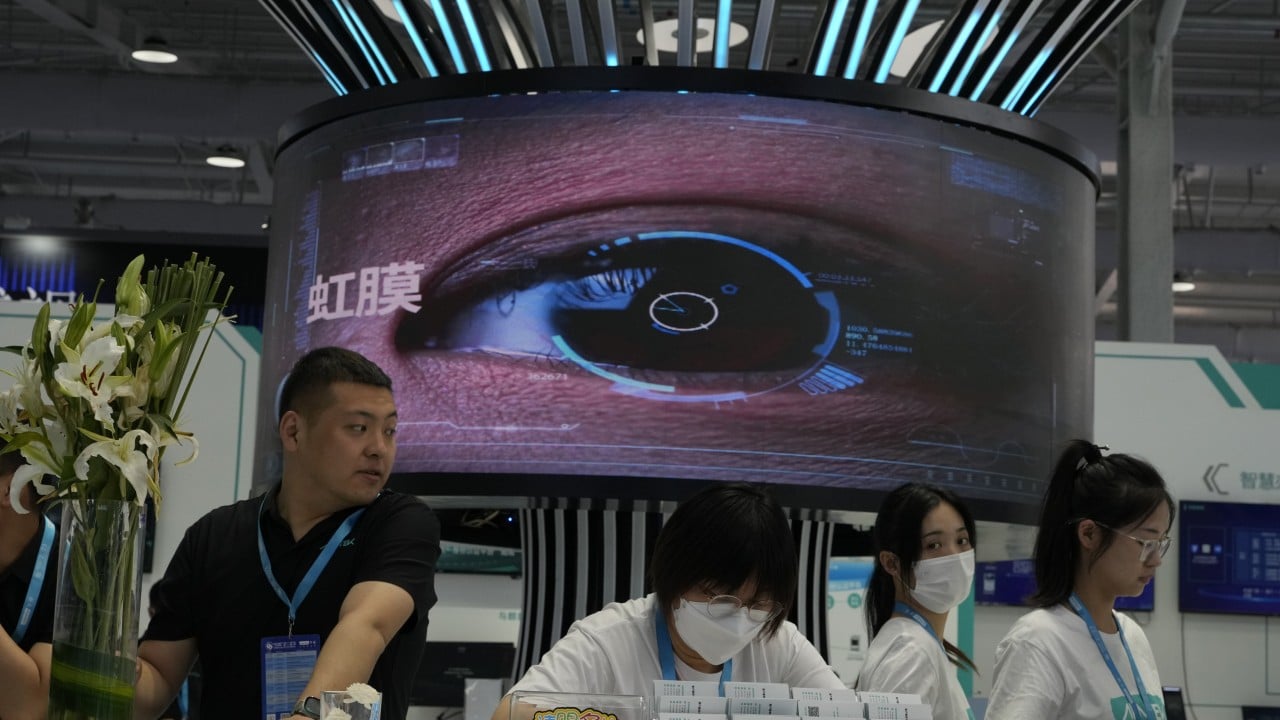
AI could turn China’s social credit system into surveillance tool: government-funded study