New rules tighten e-commerce management
Vietnam has implemented new regulations to enhance the management of its e-commerce sector. The E-Commerce Law and Government Decree No. 248/2026/ND-CP, both effective July 1, 2026, establish a comprehensive legal framework designed to guide the development of e-commerce in the coming period. These measures aim to facilitate cross-border e-commerce, enabling Vietnamese products to reach global markets more effectively. Additionally, the new framework addresses critical issues such as combating counterfeit goods, fostering sustainable market growth, and ensuring the safety of children on e-commerce platforms, signaling a move towards a more regulated and secure digital marketplace.
These new e-commerce regulations in Vietnam signify a critical step towards formalizing and strengthening the digital economy within Southeast Asia. By establishing a robust legal framework, Vietnam aims to foster a more secure and trustworthy online environment, which is essential for attracting both domestic and international investment in its burgeoning tech sector. The emphasis on cross-border e-commerce is particularly noteworthy, as it aligns with broader regional trends of digital trade facilitation and economic integration, potentially boosting the global reach of Vietnamese startups and SMEs. This regulatory clarity can reduce operational risks for tech companies and platforms, encouraging innovation and expansion.
Furthermore, the focus on combating counterfeit goods and ensuring child safety on e-commerce platforms reflects a growing awareness among Asian governments of the societal responsibilities accompanying rapid digital transformation. Such measures are crucial for building consumer confidence, which is a cornerstone for the sustainable development of any digital market. For the wider Asian tech ecosystem, Vietnam’s proactive stance could serve as a model for other developing economies grappling with similar challenges, highlighting the importance of balancing innovation with robust consumer protection and market integrity.
Related reading
6 stories
Hontiveros seeks establishment of legal entities for social media platforms to boost accountability
The Philippines also grapples with regulating online platforms, as this past article on social media accountability shows.
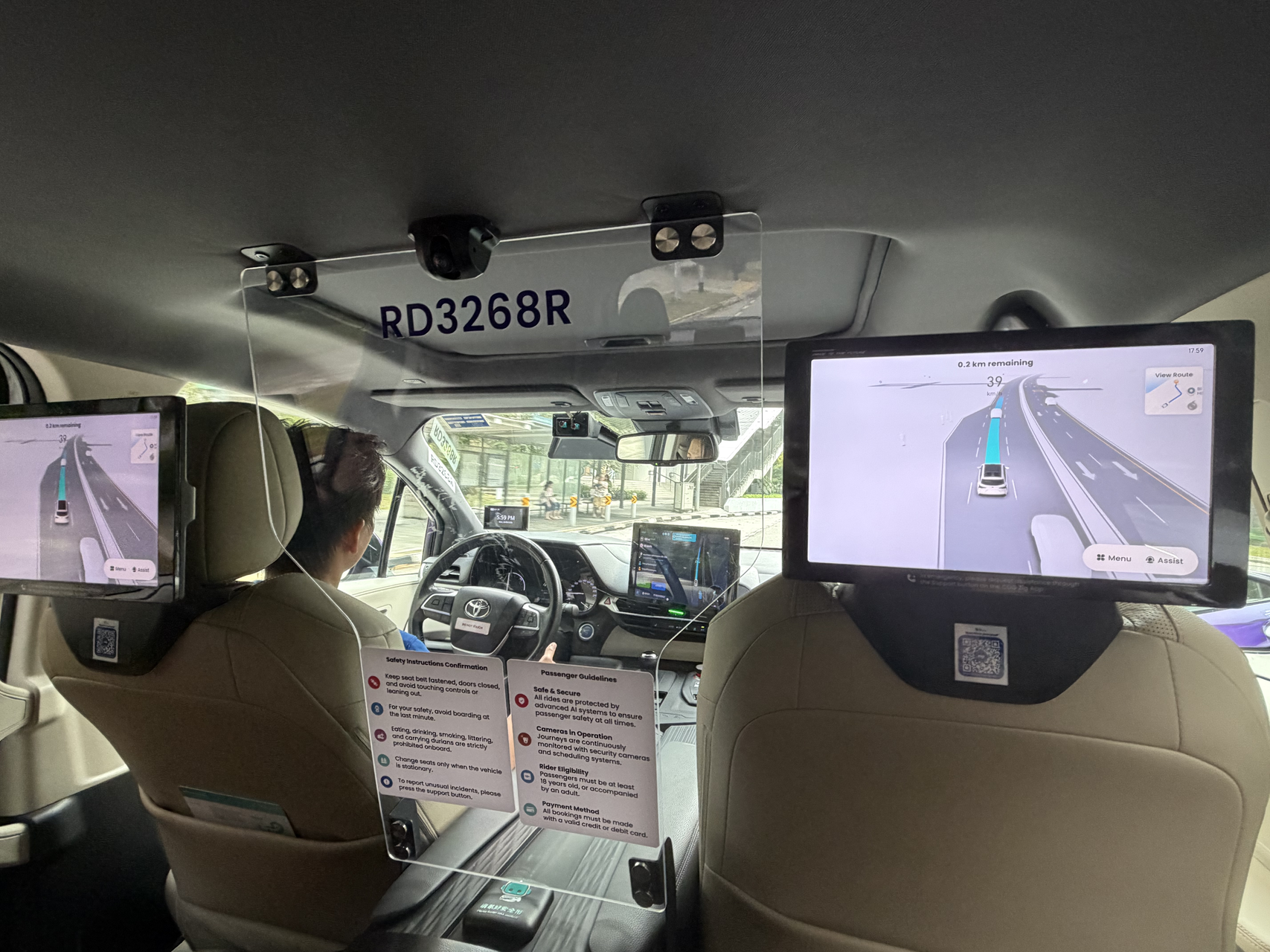
If driverless cars already work, why aren’t they everywhere?

Sumsub Launches Workforce Verification as Deepfake Risks Grow

ByteDance’s AI-enhanced short-drama app eclipses China’s Netflix rivals combined

Timo Joins Top 10 Banks in Vietnam by Customer Satisfaction