
Nearly Half of Singaporeans Are Comfortable Letting AI Apply for Credit
Singaporean consumers are increasingly comfortable with AI in financial services, with 83% trusting it to compare loans. Nearly half, 49%, would allow an AI agent to apply for credit on their behalf. This comes from Experian’s "AI in Risk: The Rise of Agentic Commerce" report, which surveyed 482 credit-active consumers in Singapore. The study notes that while consumers see practical benefits, security concerns remain high, with 82% worried about manipulation by cybercriminals.
The headline percentage of Singaporeans comfortable with AI applying for credit, 49%, obscures a deeper caution. Only 27% would grant an AI agent conditional or full autonomy for credit applications. The majority, 73%, prefer AI for research or with explicit approval. This reflects a clear line between using AI as a tool and ceding control over financial commitments.
For Singapore's financial institutions, this means a bifurcated AI strategy. They must build robust AI tools for comparison and research, where 89% of consumers see value. Simultaneously, they must address the 82% who fear manipulation and fraud. Trust in the underlying financial institution, cited by 77%, is paramount for any move towards agentic commerce in lending.
The real test for Singapore's fintech sector is whether it can build AI agents that earn full autonomy. Experian's Agent Trust framework points to identity verification, consent management, and fraud prevention as critical. Without clear safeguards, the 49% comfort level for applications will remain aspirational, not actual adoption.
Related reading
6 stories
Hong Leong’s New Card Is Forged in Fire And You Can’t Apply for It
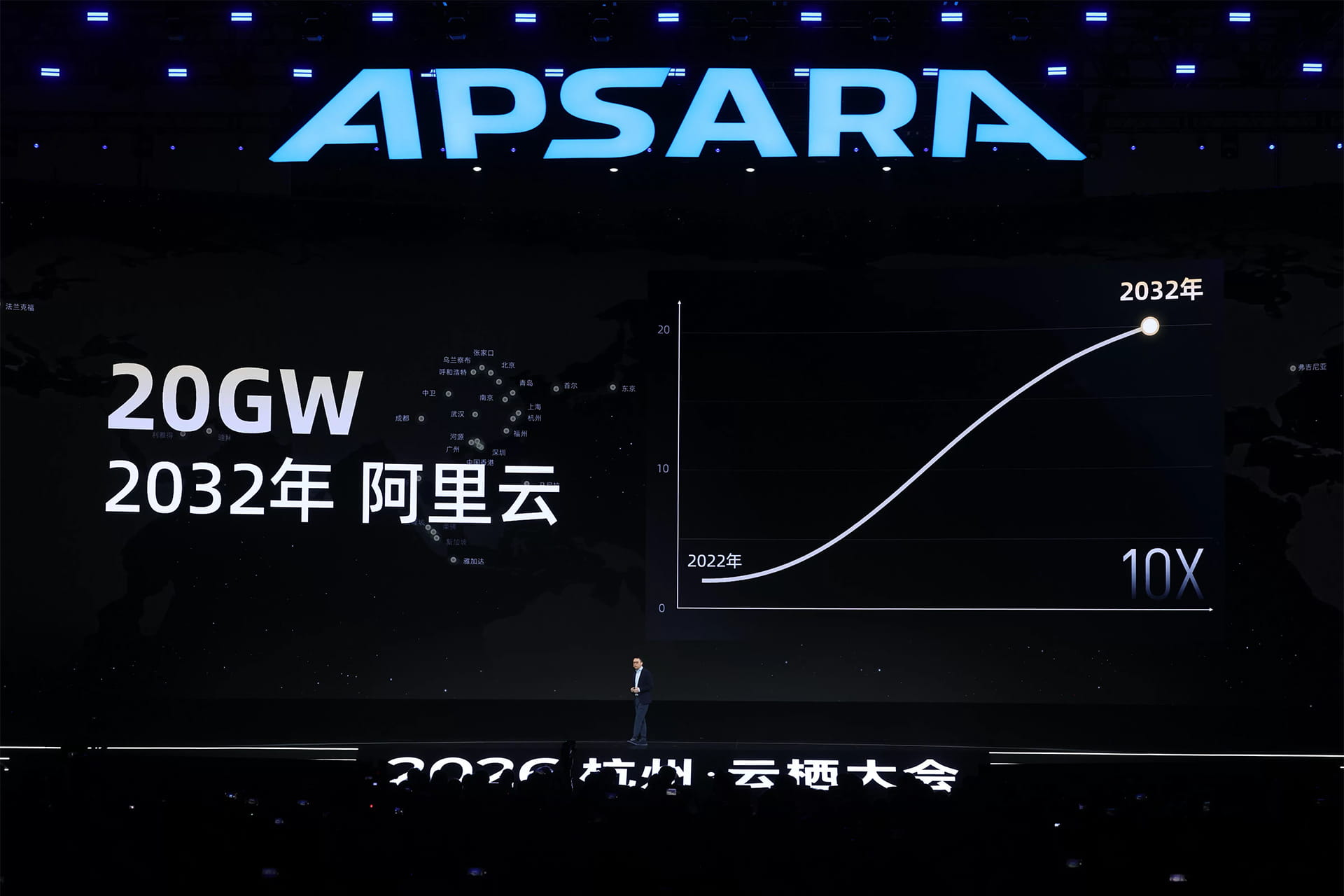
Alibaba scales AI compute with new chip and 20 GW data center target
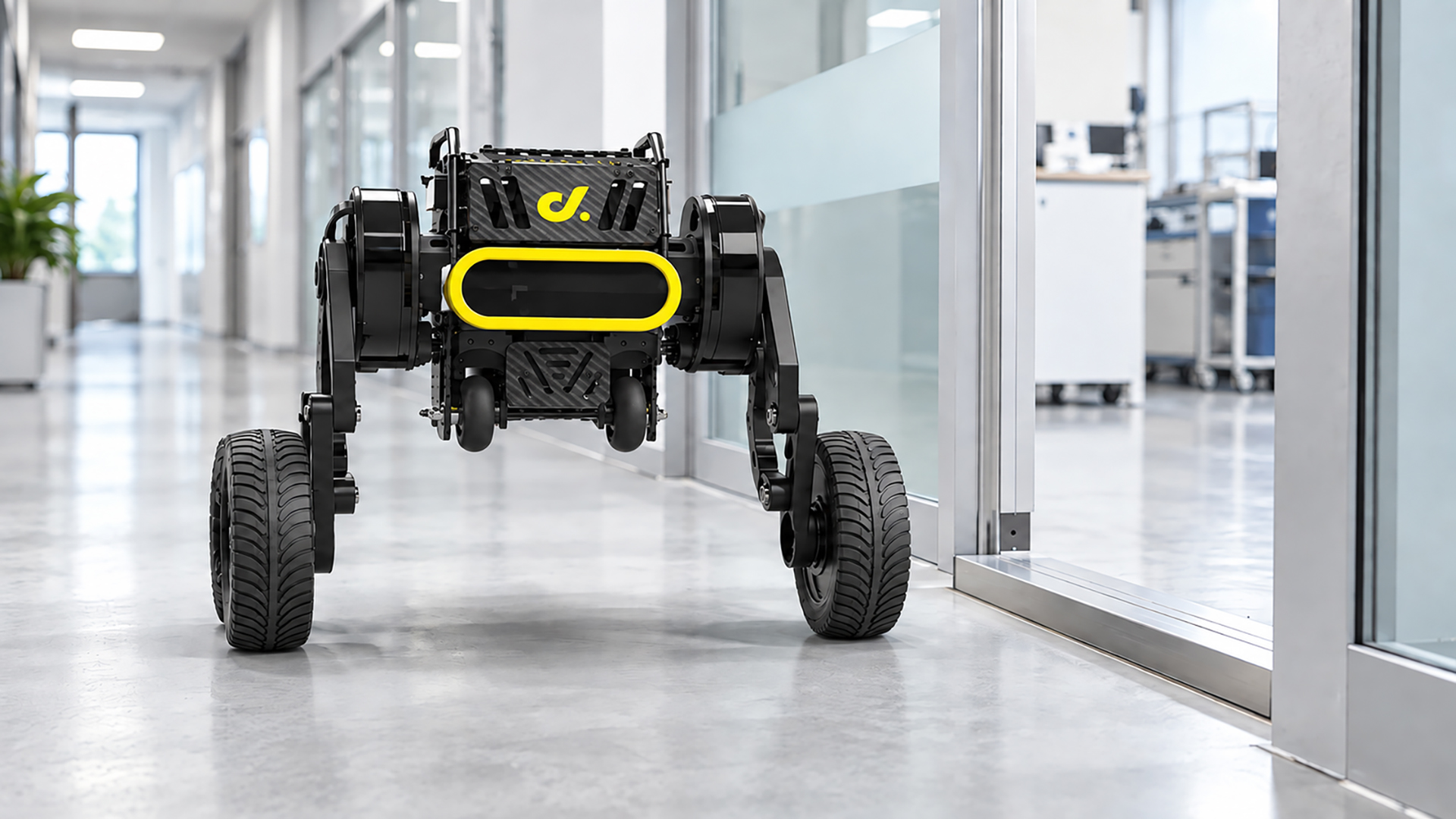
Direct Drive Tech launches Hong Kong IPO, testing demand for physical AI hardware
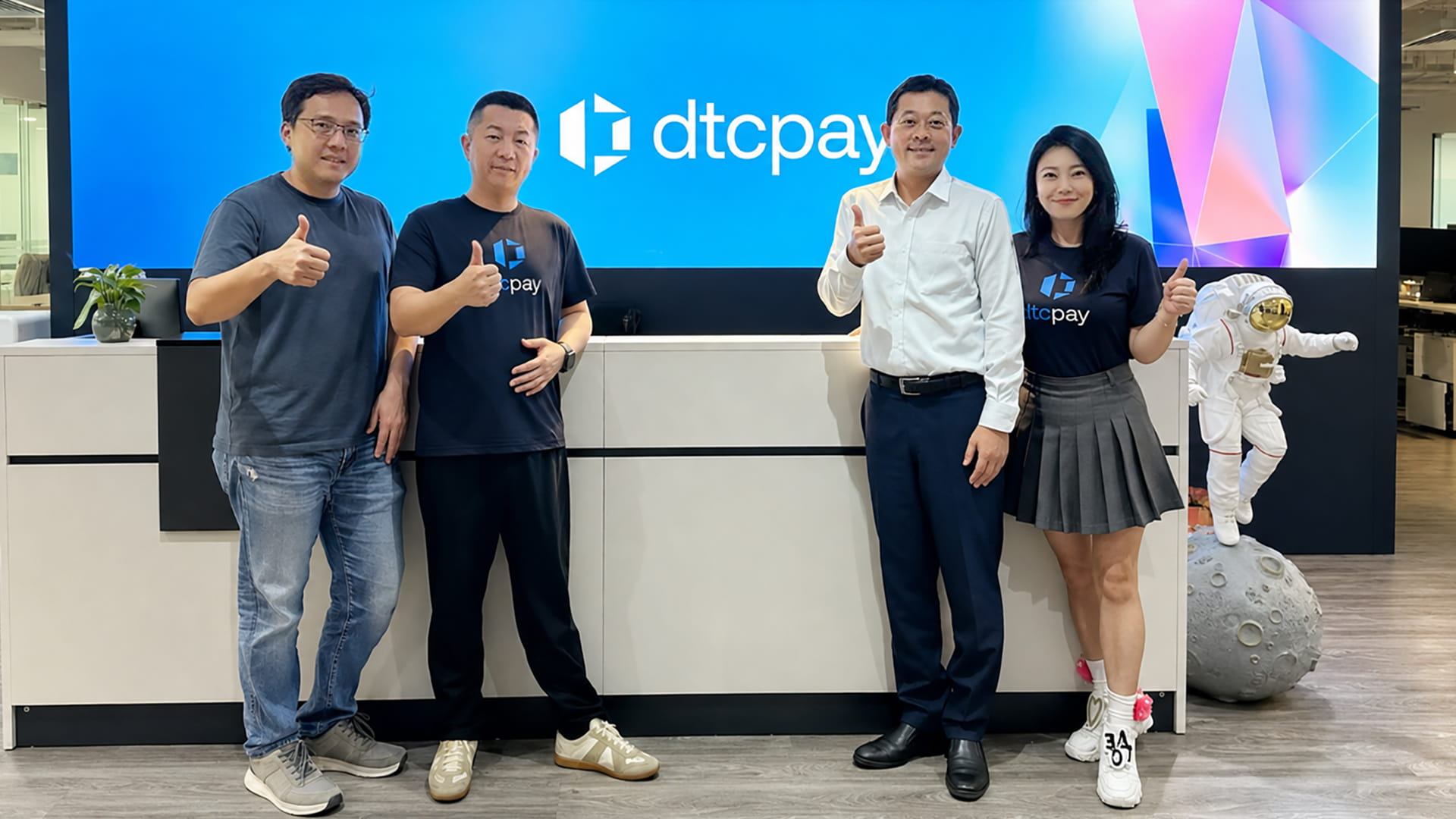
Deals in brief: Singapore-based dtcpay closes Series A round, 01F Group invests in Dana, ten China investments, and more
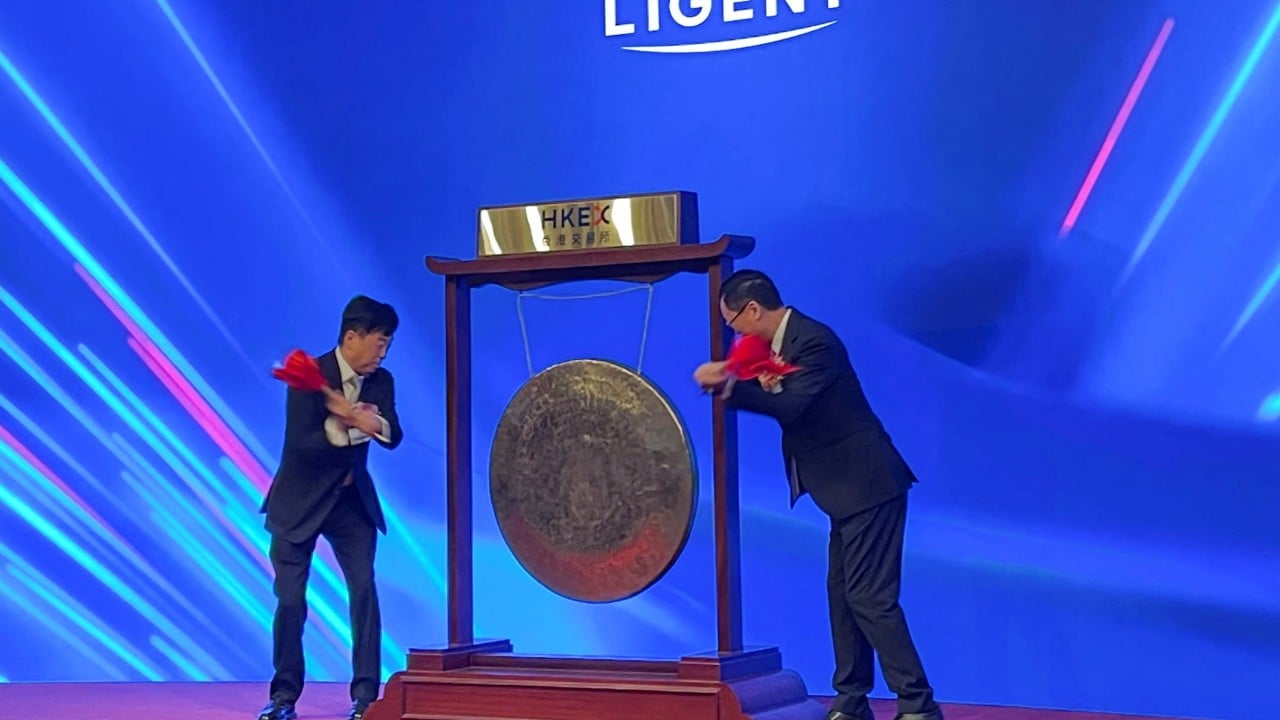
Hisense unit gains in Hong Kong debut amid rush of mainland Chinese corporate spin-offs
