
Nations Deploy Signal Detectors, AI Curbs to Stop Exam Cheating
Nations across Asia and beyond are implementing new measures to counter AI-assisted exam cheating, following an admission by a top scorer on a national licensing exam. Korea is developing mobile radio detectors, while China is deploying extensive signal blocking and has seen major AI companies restrict problem-solving features during exam periods.
The rise of generative artificial intelligence and ultra-compact electronic devices, including micro cameras and smart glasses, has prompted a global re-evaluation of exam security. This urgency stems from a top scorer on a national licensing exam admitting to cheating with generative AI. Traditional visual inspection by proctors is now considered insufficient to prevent such violations.
In response, the Korea Communications Agency (KCA) is developing a mobile radio detector. This technology aims to identify electronic devices by detecting Bluetooth signals and analyzing Wi-Fi communication patterns to flag suspected AI use. It is designed to capture signals generated when exam questions are transmitted from a micro camera to a smartphone, or when AI-analyzed answers are relayed to a wireless earbud. The KCA is expanding simulations and verification work as the project is currently in the software and prototype development stage. However, the agency acknowledges challenges in isolating cheating signals amidst numerous wireless devices operating simultaneously at a test site. Detection is also limited when a camera and AI processing are integrated into a single on-device unit that works without external communication, or when a wired connection is used.
China has implemented a comprehensive approach to securing its gaokao, the national college entrance exam. This year's gaokao saw the deployment of 30,705 radio security personnel, 7,306 mobile monitoring vehicles, and 15,624 sets of radio monitoring equipment. Some regions also temporarily halted signal transmission from mobile base stations near test sites or reduced their output. Complementing these measures, private AI companies have joined the effort. During last year's gaokao period, Tencent's Yuanbao and Moonshot AI's Kimi restricted image input functions, while Alibaba's Quark suspended its photo-based problem-solving service. ByteDance's Doubao also temporarily refused uploads of exam question images, demonstrating a strategy that combines communication blocking with functional limits on AI services themselves.
Beyond these efforts, other nations are exploring various detection and prevention methods. In the United States, a team led by Professor Maria Gorlatova at Duke University published a paper this year noting that augmented reality glasses produce distinctive reflection patterns and light leakage at certain angles, proposing these characteristics could distinguish them from ordinary eyewear. Meanwhile, both the United Kingdom and Taiwan have implemented outright bans on wearable devices in exam settings.
Share this article
Related reading
6 stories
Education Minister Says He Cannot Catch All AI Cheating on College Exam
An education minister previously admitted the difficulty of catching all AI cheating on college exams.
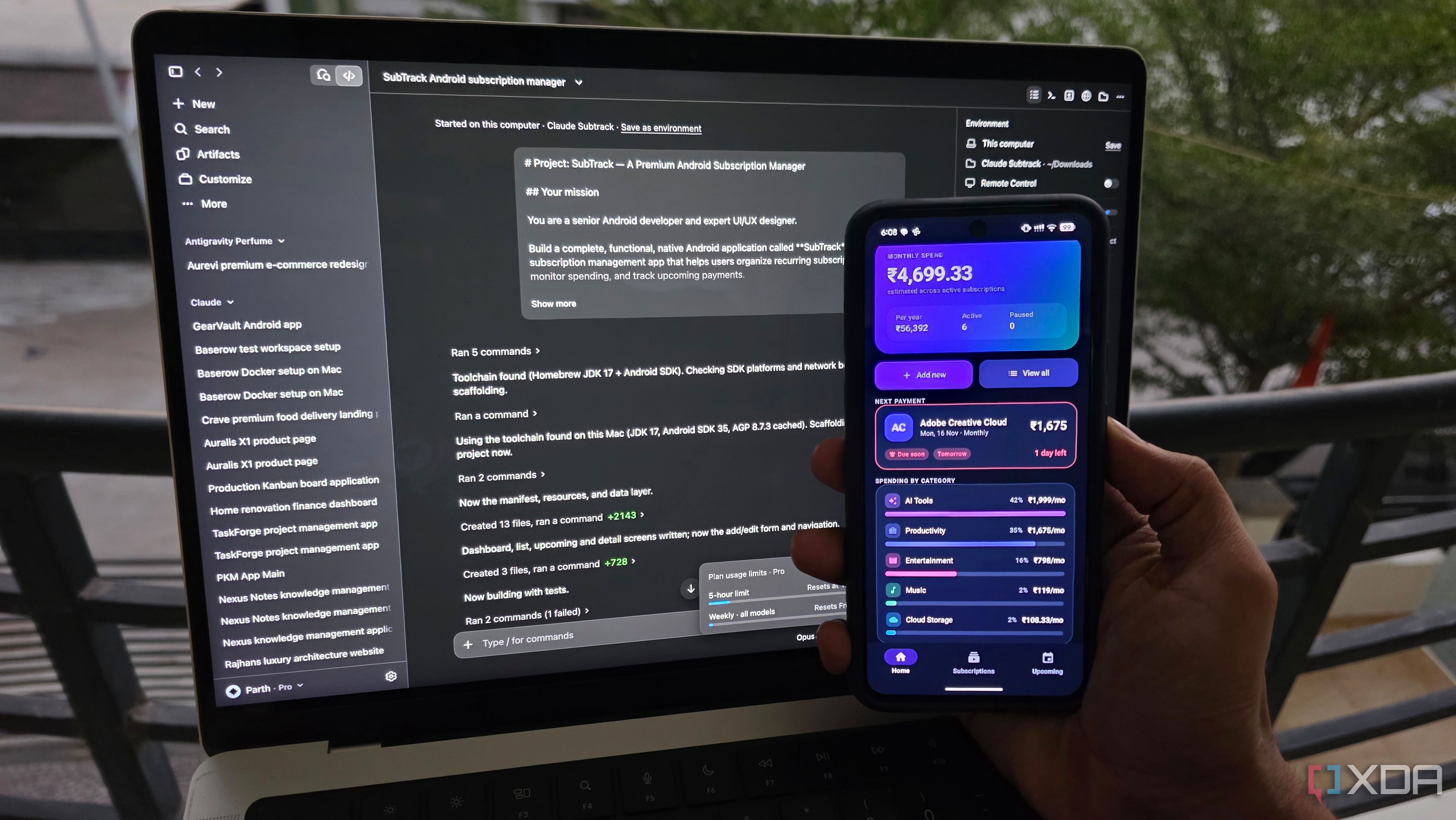
I challenged VS Code, Claude Code, and Google Antigravity to build an app in an hour, but only one was fit for the Play Store
We challenged AI coding assistants to build an app in an hour, testing their capabilities.

NETS Explores a Way for AI Agents to Pay at Singapore Shops

OCBC Aims to Train 20,000 Small Business Owners and Staff for Free
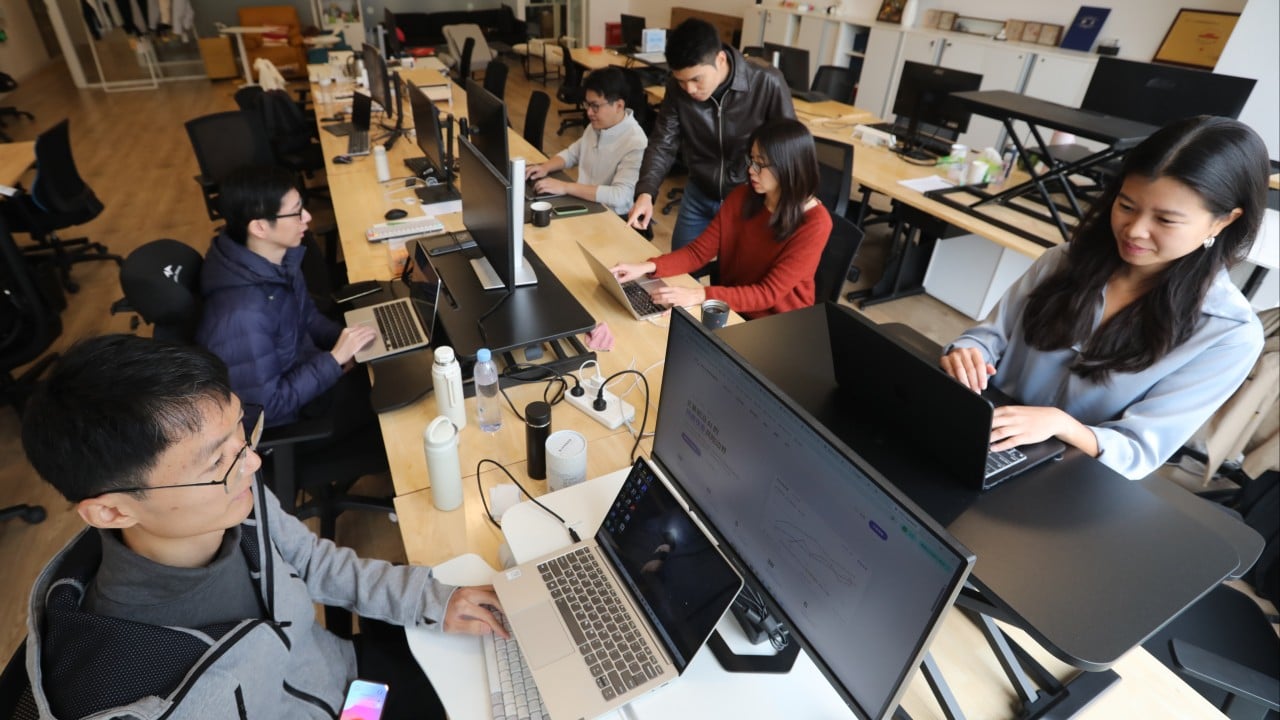
How a little-known Beijing AI safety group became an adviser to China’s tech giants
