Mending the broken rung: why AI and junior jobs are a global test of our values
Singapore Prime Minister Lawrence Wong Shyun Tsai stated that artificial intelligence should not diminish human thought but instead foster a better society. He highlighted a global challenge where AI's impact on routine work could eliminate entry-level jobs, which are crucial for developing future talent across economies.
Prime Minister Wong's reflections emphasize that AI's most significant challenge may be its potential to disrupt the "bottom rung of the career ladder." Entry-level positions traditionally provide young professionals with critical tacit knowledge, such as client interaction and judgment calls, which are not easily taught through manuals. If these roles disappear, the pipeline for future talent development across various professions could be jeopardized.
The proposed solution is not to resist AI but to proactively redesign early career pathways. This involves integrating AI tools with human mentorship, structured training, and real responsibility. Wong's perspective, framed as "saving the people, not saving the job," suggests that while specific jobs will evolve or vanish, individuals can be equipped to adapt through deliberate training and mentorship, a process he suggested could take about 10 years.
Addressing this systemic challenge requires a collaborative effort from businesses, governments, and academia. Businesses are called upon to embed mentorship even as AI handles routine tasks. Governments need to establish frameworks for lifelong learning, including portable skills credits and safety nets for career transitions. Academia must become a continuous partner, offering modular credentials and fostering critical thinking and adaptability that machines cannot replicate.
The article points to examples such as Singapore's SkillsFuture program and the apprenticeship models in Germany and Switzerland, which are adapting to the AI age by ensuring human mentorship persists alongside automation. This suggests that the disruption to junior roles is not a reason for pessimism but an opportunity for coordinated action to build resilience in people and ensure the continued development of expertise.
Share this article
Related reading
6 stories
Mastercard Expands APAC Dining Programme to 1,300 Restaurants
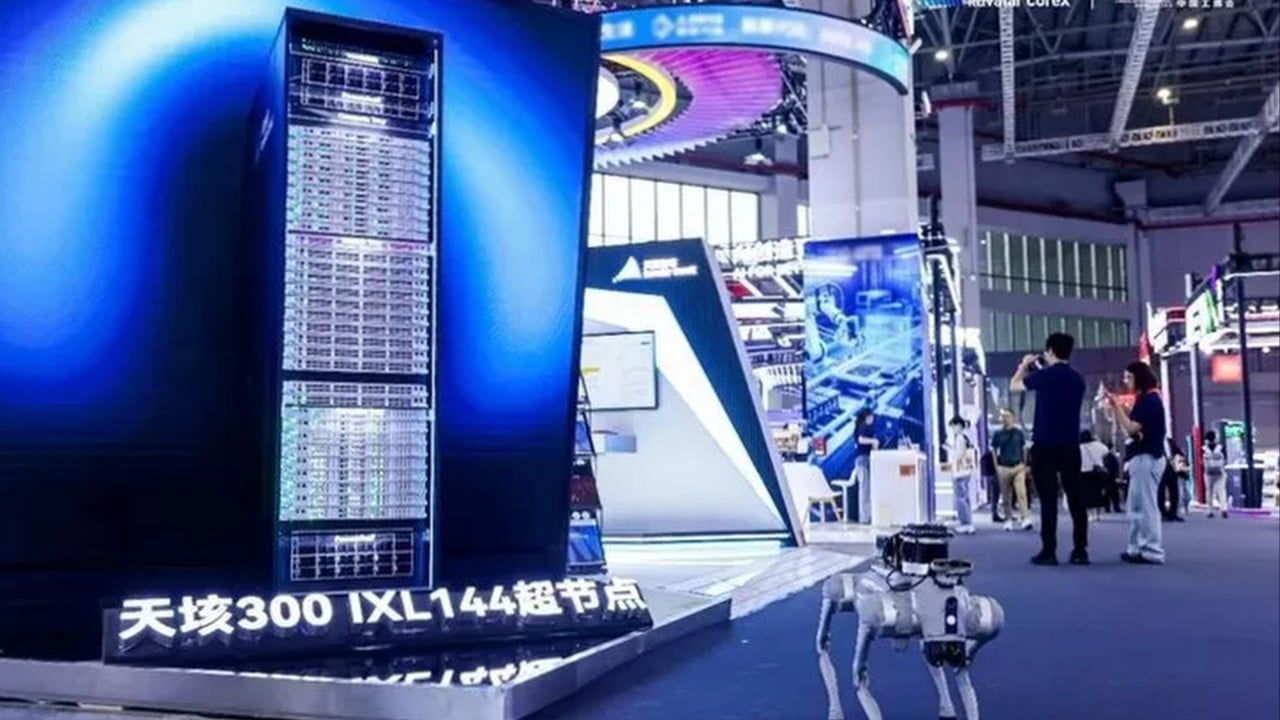
China’s Iluvatar CoreX’s first AI computing supernode squeezes most GPUs in 1 system

FIS Launches Agentic AI Tool for CFOs to Spot Cash Flow Risks Earlier

Mainland Chinese traders boost Hong Kong stock buying for fourth month as AI bets surge

China Mobile triples capacity at mega Inner Mongolia computing hub amid nation’s AI push