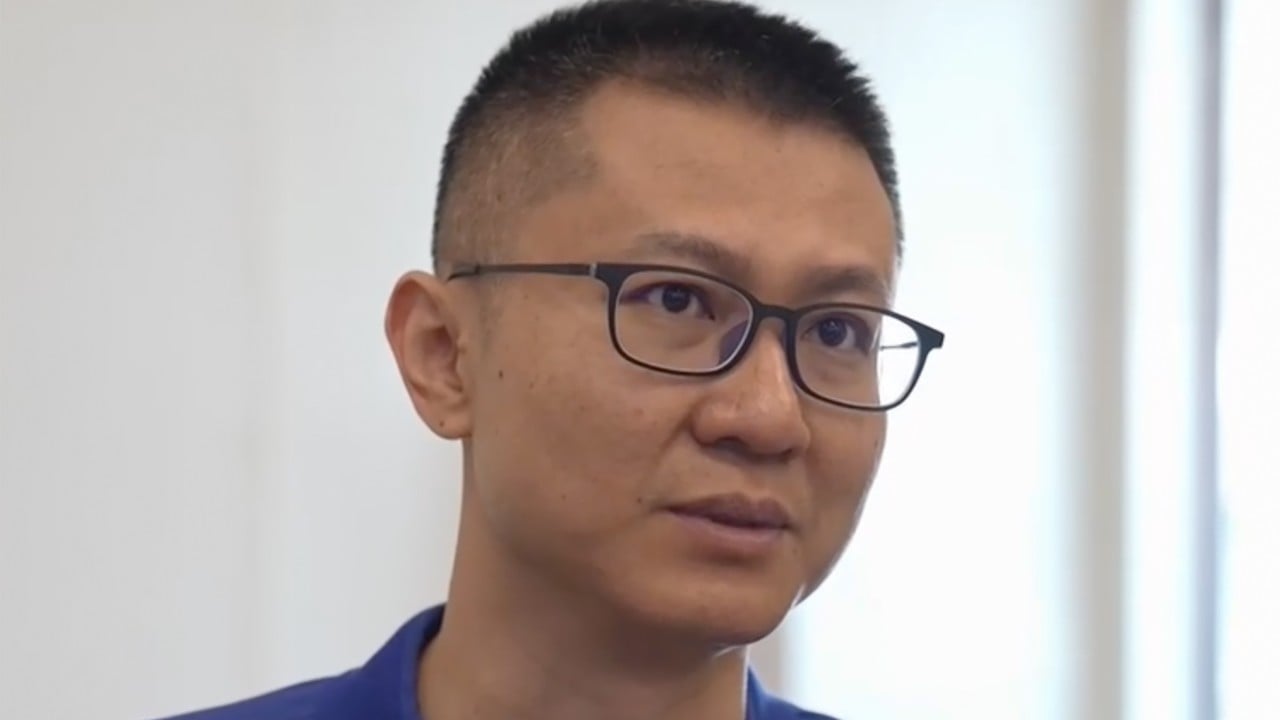
Meet CXMT’s Zhu Yiming: the engineer building China’s answer to global memory-chip giants
ChangXin Memory Technologies, or CXMT, is preparing for one of China’s most anticipated initial public offerings of 2026. The company, which aims to become a homegrown rival to global memory-chip giants, is seeking to raise 29.5 billion yuan (US$4.4 billion) in its Shanghai offering. The spotlight for this significant event has fallen on its founder, Zhu Yiming, an engineer who has been instrumental in building China’s answer to the world’s top memory-chip makers. This IPO represents a crucial step in China’s broader strategy to achieve self-sufficiency in critical semiconductor technologies, reducing its reliance on foreign suppliers. The success of CXMT’s offering will be closely watched as a bellwether for the future of China’s domestic tech ambitions.
The impending IPO of ChangXin Memory Technologies (CXMT) is a pivotal moment for Asia's tech ecosystem, particularly within the semiconductor industry. It underscores China's unwavering commitment to achieving self-reliance in critical technologies, a strategic imperative driven by geopolitical tensions and the desire to reduce dependency on foreign suppliers. CXMT's ambition to rival global memory-chip giants like Samsung and Micron signals a significant shift in market dynamics, potentially intensifying competition and accelerating innovation within the memory sector. The substantial capital raise of US$4.4 billion highlights the immense financial backing and national priority assigned to such ventures, indicating a long-term vision for domestic technological leadership.
This development also reflects broader trends in Asian tech, where national champions are being cultivated across various sectors to bolster economic resilience and technological sovereignty. For other Asian economies, CXMT's rise could present both challenges and opportunities. While it may increase competitive pressure on existing memory chip manufacturers in South Korea and Taiwan, it could also foster new collaborations and supply chain realignments within the region as companies adapt to a more diversified and localized semiconductor landscape. The success or struggles of CXMT will offer valuable insights into the efficacy of state-backed industrial policies in fostering globally competitive tech firms.