May’s cycle of hate needs a mature public response
A recent controversy in South Korea involving Starbucks Coffee Korea’s “Tank Day” promotion, which was perceived as mocking victims of the May 18 Gwangju Democratization Movement, has escalated into a broader political debate. President Lee Jae Myung’s strong criticism of Starbucks and a far-right online community, Ilbe, has led to government ministries reviewing their engagements with the company and calls for stricter regulations on online hate speech. This intervention has sparked concerns about potential government overreach and its impact on market principles and freedom of expression. The incident is now influencing local elections, with political parties using the issue to rally support, raising fears that the original intent of respecting democratic history is being overshadowed by partisan mobilization.
This incident highlights the complex interplay between corporate marketing, historical sensitivities, and political intervention within Asian markets. Starbucks, a global brand, faced significant backlash for a perceived cultural misstep, demonstrating the critical importance of localized cultural awareness and robust public relations strategies for international companies operating in the region. The swift and strong governmental response, including presidential criticism and subsequent actions by ministries, underscores the significant influence political leaders can wield over market dynamics and corporate reputations in certain Asian economies. This level of intervention can create an unpredictable operating environment for businesses, where perceived missteps can quickly escalate into national political issues.
Furthermore, the controversy reflects a broader societal struggle in Asia concerning online hate speech and its regulation. The debate over potentially shutting down Ilbe, a far-right online community, and reviewing punishment for offensive content, indicates a growing push for stricter controls on digital platforms. This trend could have significant implications for tech companies and social media platforms operating in the region, potentially leading to increased pressure for content moderation, data localization, and compliance with evolving national regulations on freedom of expression. The incident serves as a case study for how cultural, historical, and political factors converge to shape the digital and commercial landscapes in Asia.
Related reading
6 stories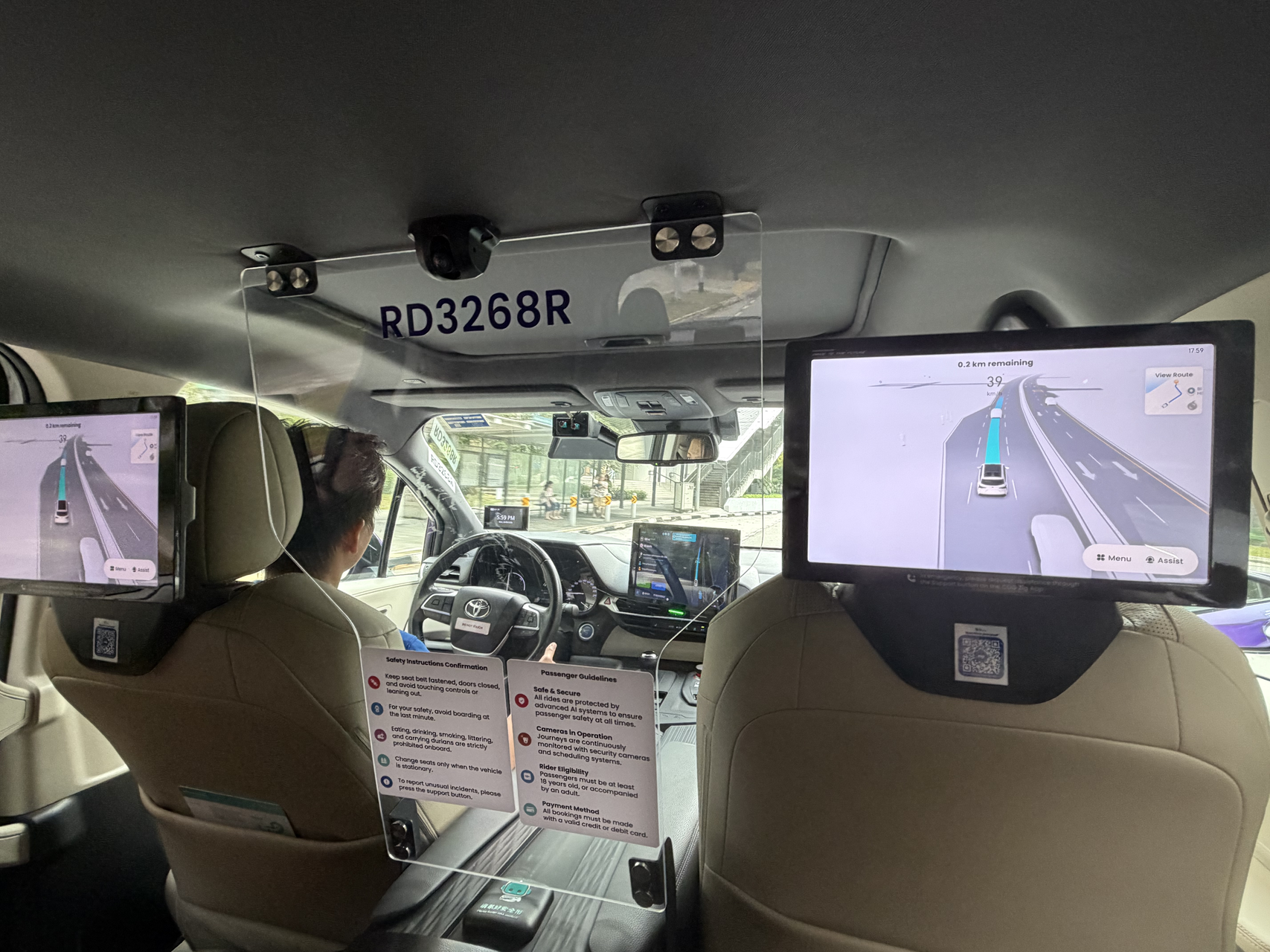
If driverless cars already work, why aren’t they everywhere?

Sumsub Launches Workforce Verification as Deepfake Risks Grow

ByteDance’s AI-enhanced short-drama app eclipses China’s Netflix rivals combined

Timo Joins Top 10 Banks in Vietnam by Customer Satisfaction

Payment Agility and Modernisation for the Age of Intelligence