
Malaysia’s growing AI adoption raises questions about human skill development
It describe how AI is transforming work in Malaysia, warning that while jobs may not disappear, excessive reliance on AI could weaken long-term workforce development by reducing opportunities for y...
Malaysia’s accelerating AI adoption reflects a broader trend across Southeast Asia, where economies are eager to leverage AI for productivity gains and competitive advantage. This rapid integration, while promising for economic growth and efficiency, raises critical questions about the strategic development of human capital. The challenge lies in balancing the immediate benefits of AI with the imperative to cultivate a skilled workforce capable of innovating and adapting beyond current technological paradigms.
For Asia’s tech ecosystem, this dynamic highlights a dual imperative: investing in AI infrastructure and simultaneously bolstering educational frameworks to upskill and reskill the labor force. Countries like Malaysia must proactively design policies that ensure AI complements, rather than diminishes, human capabilities. This includes fostering critical thinking, problem-solving, and creativity—skills that remain uniquely human and crucial for navigating future technological shifts. The success of AI integration in the region will ultimately depend on how effectively these nations manage the interplay between advanced technology and human potential, ensuring a sustainable and adaptable workforce for the digital era.
Related reading
6 stories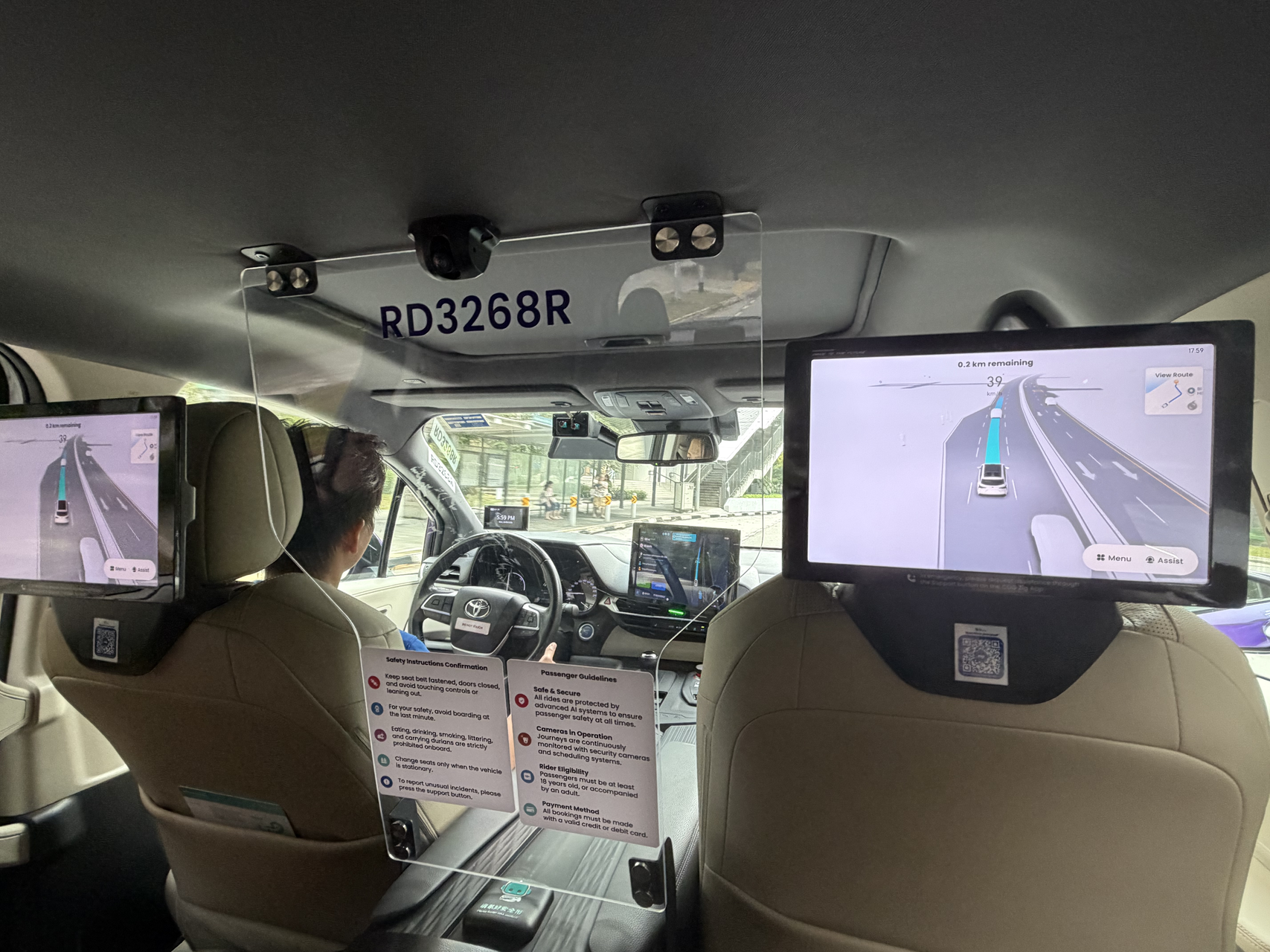
If driverless cars already work, why aren’t they everywhere?

Databricks to Invest Over US$350 Million in Singapore, Double Its Workforce

Sumsub Launches Workforce Verification as Deepfake Risks Grow

Personetics Launches AI Banking Console for Relationship Managers

HSBC Gives Wealthy Singapore Clients Access to Private Markets
