
Let The Machines Govern: Why Pakistan Cannot Afford The West's Fear Of AI
A former Anthropic researcher's warning about AI's existential risks by 2030 has prompted alarm in Washington, with calls for hearings and bans. However, an engineer in Islamabad argues that for Pakistan, the absence of functional governance, not AI, poses the real threat. Pakistan faces a severe internal governance crisis, with over half its population below the poverty line due to systemic issues rather than natural disasters or conflict. The author, an engineer, highlights how AI, while not a physical builder, could address the pervasive theft and corruption that hinder public service delivery in Pakistan. He cites personal experiences with proposed real-time monitoring systems for public spending and solutions for circular debt that were ignored by officials like Ahsan Iqbal, Federal Minister for Planning.
Pakistan's governance crisis, marked by widespread corruption and inefficiency, presents a unique case for AI adoption, contrasting sharply with Western fears of advanced AI systems. The author, an engineer, directly observed how proposed digital solutions to track public spending and resolve circular debt were shelved by officials, including Federal Minister for Planning Ahsan Iqbal, due to a nexus that profits from opacity. This suggests that AI could serve as a critical tool for transparency and accountability in a market where existing human-led systems have failed to deliver basic services to over half the population. The challenge for Pakistan is not AI's capability, but rather the political will to implement systems that threaten entrenched interests. For Asian markets facing similar governance challenges, Pakistan's experience could offer a blueprint for how AI can be framed as a necessity for state functionality rather than a luxury or a risk. The focus shifts from AI's potential for job displacement or ethical dilemmas to its role in combating corruption and improving public service delivery. The key will be to design and deploy AI systems that are resilient to political interference and can enforce transparency where human oversight has historically faltered.
Related reading
6 stories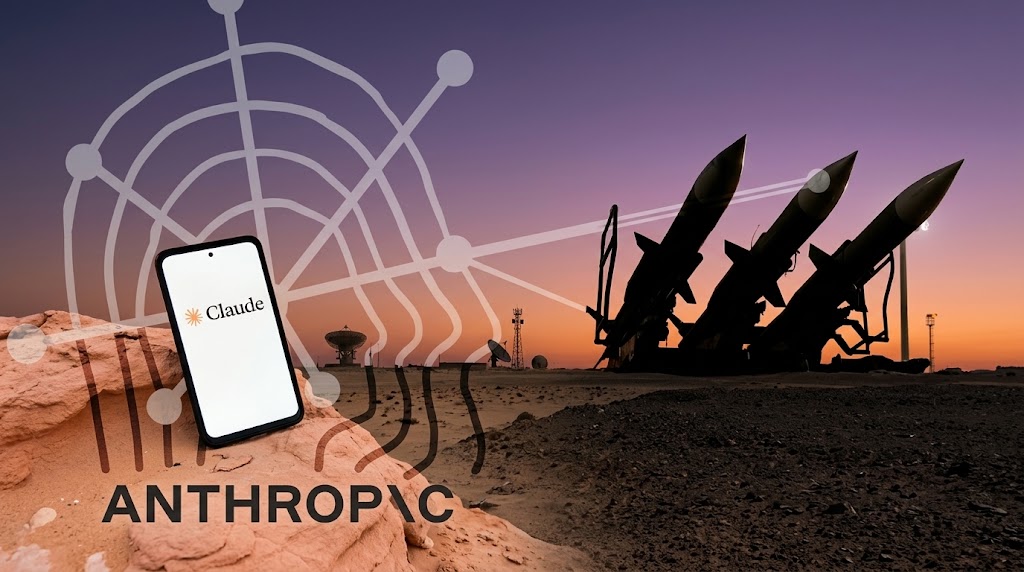
AI enters War as Claude being used to Build Ballistic Missiles, Lethal Weapons
The article's concerns about AI's potential for misuse echo the debate around AI's role in developing lethal weapons.

Axios: Anthropic Insiders Warn AI Could Kill All Humans
The Western 'fear of AI' mentioned in the article is explored further by Anthropic insiders warning of existential risks.

People’s Daily rejects US claims of malicious AI distillation, warns of countermeasures

Databricks to Invest Over US$350 Million in Singapore, Double Its Workforce

Personetics Launches AI Banking Console for Relationship Managers
