
LatentVerse takes a third path beyond VLA and world models for embodied intelligence
LatentVerse, a new startup co-founded by Tsinghua University doctoral student Hu Yucheng, has secured a nine-figure RMB seed funding round from investors including GL Ventures and Crystal Stream. The company is developing an embodied-native foundation model, UTAM (unified tactile action model), which aims to overcome limitations of existing vision-language-action (VLA) and world model approaches in embodied intelligence. LatentVerse seeks to unify understanding, prediction, and action within a single architecture, addressing the data bottleneck and the need for greater generalization and dexterity in robotics. This approach targets complex real-world scenarios beyond controlled industrial settings, such as home environments and hotel room cleaning.
LatentVerse's emergence highlights a critical inflection point in Asia's embodied intelligence sector, moving beyond the established VLA and pure world model paradigms. The company's focus on unifying understanding, prediction, and action within a single architecture, exemplified by its UTAM model, addresses the persistent data bottleneck and the need for robots to exhibit stronger generalization, long-horizon execution, and dexterity for broader commercialization. This strategic pivot is particularly relevant for Asian markets, where demand for automation in manufacturing, logistics, and increasingly, consumer services and smart homes, is rapidly expanding. The ability to handle unstructured environments and complex tasks, such as grasping soft objects or navigating varied home settings, will unlock significant market opportunities.
The investment from prominent Chinese VCs like GL Ventures and Crystal Stream, alongside strategic players like Agibot and Robot Era, underscores the growing confidence in deep tech and AI startups in China. LatentVerse's ambition to reduce data collection costs significantly through innovative methods, including wearable devices for nonprofessionals, could democratize access to training data and accelerate development across the region. This approach not only positions LatentVerse as a potential leader in embodied AI but also signals a broader trend of Asian startups driving fundamental research and product innovation to solve real-world challenges in robotics, rather than merely adapting Western technologies.
Related reading
6 stories
DeepSeek leads surge in low-cost Chinese open-weight models on US platform
LatentVerse's emergence reflects the broader surge in AI model development across Asia, as seen with DeepSeek.

China’s rocket boom turns Hainan into a space hub. Can launches fuel wider growth?

China’s Z.ai raises revenue target 25% after US$5 billion cash injection

ViewSonic expands Pro AV portfolio in India with new LED displays, monitors and Google TVs: All details
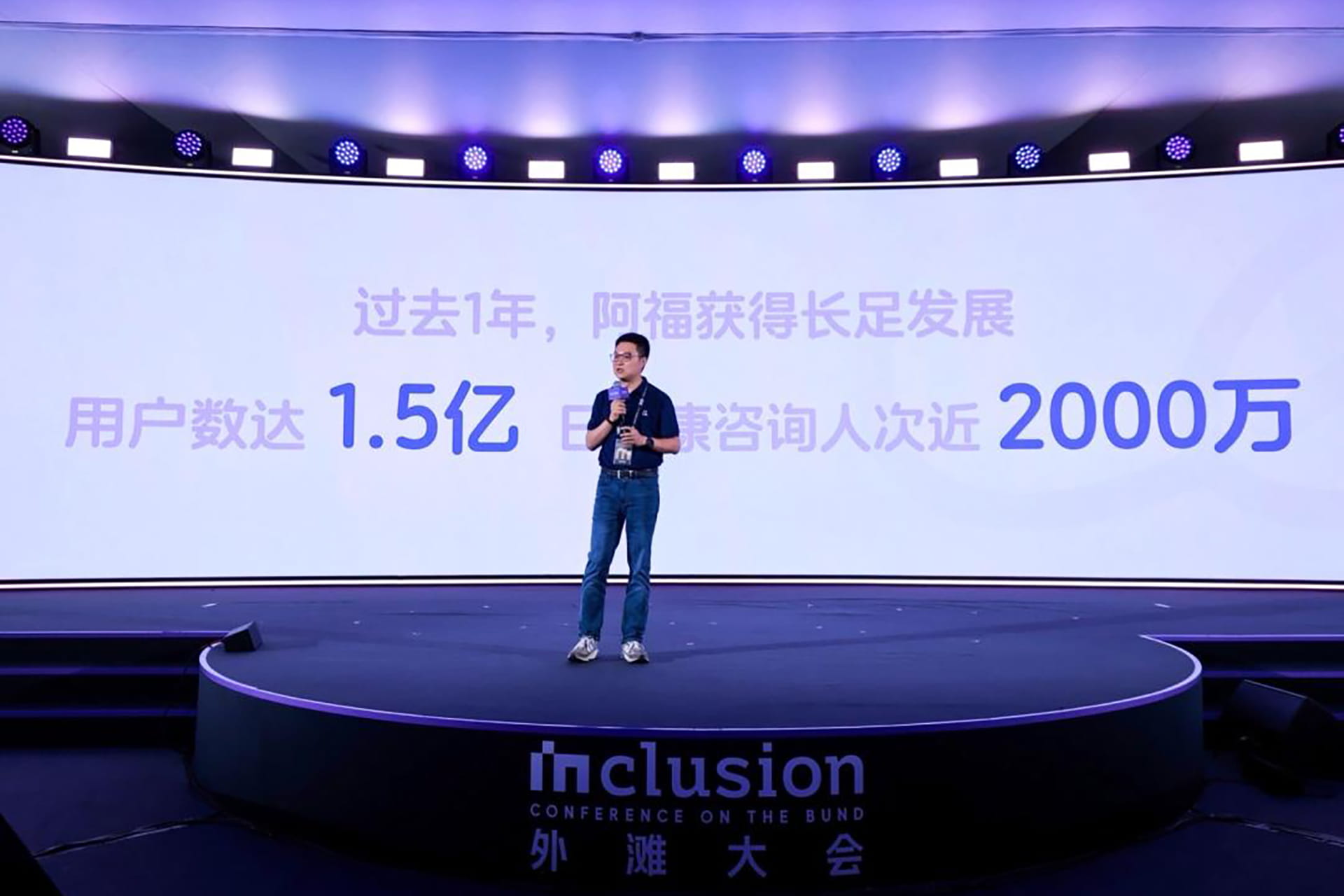
Ant’s AQ expands beyond weight loss as health app reaches 150 million users
