
Kazakhstan, Hong Kong ‘can build biotech unicorns by linking talent and capital’
Kazakhstan and Hong Kong are exploring a partnership to cultivate biotech unicorns, aiming to combine Kazakhstan's tech workforce with Hong Kong's financial network. Huck-Hui Ng, dean of medicine at Kazakhstan's Nazarbayev University, highlighted the potential for a substantial biotech ecosystem in Central Asia. This initiative was discussed at the inaugural China Conference: Central Asia 2026 in Astana. Kazakhstan is already developing its healthcare sector, with its drug regulator receiving World Health Organization certification in April and deploying AI for diagnostics nationwide.
The proposed partnership between Kazakhstan and Hong Kong to foster biotech unicorns points to a strategic regional play. Kazakhstan brings a developing tech workforce and a nascent biotech sector, already producing AI and digital health startups. Its drug regulator's WHO certification in April underscores a commitment to global standards, which is critical for attracting further investment and talent. Hong Kong's role as a global financial hub offers the necessary capital and network to scale these ventures. The challenge lies in effectively bridging the geographical and regulatory differences to create a seamless flow of talent and funding. For Asia, this collaboration could establish a new biotech corridor, diversifying innovation beyond traditional hubs like Singapore and China. The key will be the concrete policy mechanisms and government support that Ng referenced, turning ambition into actionable frameworks.
Related reading
6 stories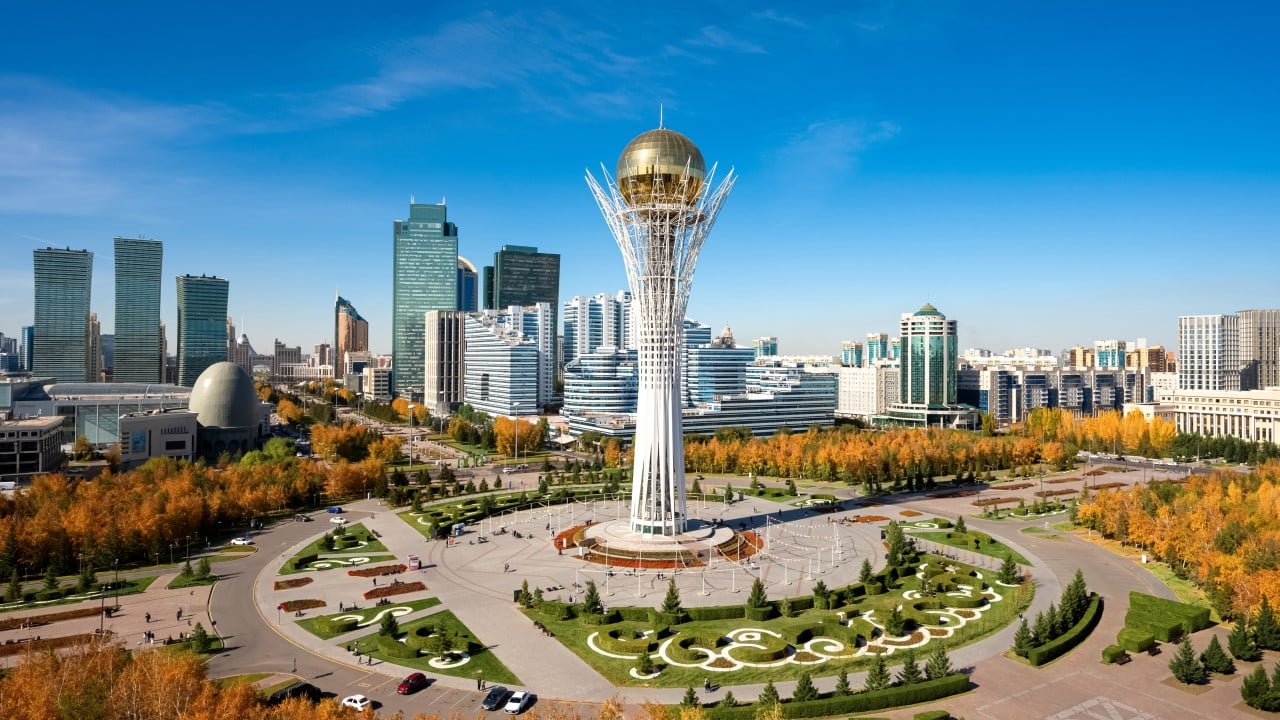
How can Hong Kong, Central Asia build momentum on growing ties and go beyond MOUs?
Our earlier piece explored how Hong Kong and Central Asia can deepen their growing ties beyond just MOUs.
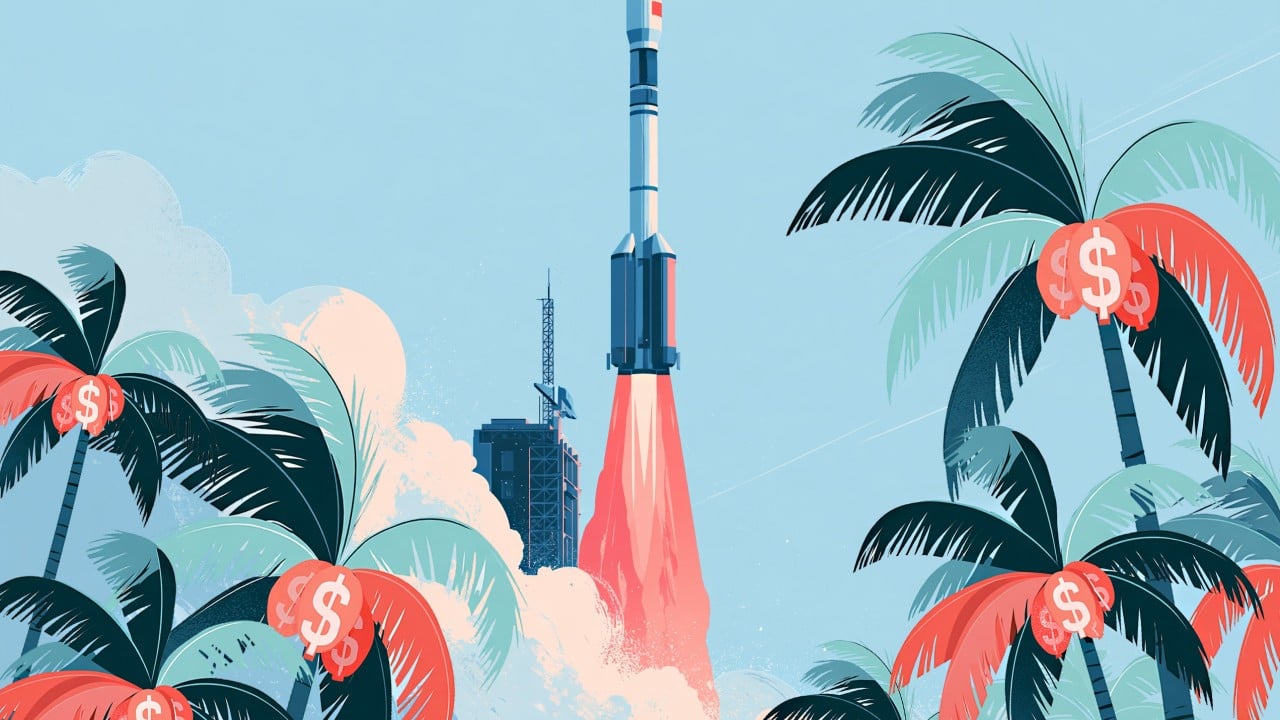
China’s rocket boom turns Hainan into a space hub. Can launches fuel wider growth?

Anthropic merges Claude chat and Cowork in one interface

Threads’ new features let podcasters promote shows and reach listeners

China’s Z.ai raises revenue target 25% after US$5 billion cash injection
