
Jensen Huang’s return reassures Taiwan suppliers, people say
Nvidia CEO Jensen Huang’s return has reassured Taiwanese suppliers regarding AI product development, manufacturing plans, and investment, according to a technology commentator and a researcher. Veteran journalist Owen Lin described Nvidia as the "AI industry’s central bank," emphasizing Huang's role in financing the sector. However, political and regulatory uncertainties persist.
Jensen Huang’s return as Nvidia Corp chief executive has provided a measure of reassurance to Taiwanese suppliers. This includes confidence in ongoing product development, manufacturing plans, and the investment streams that underpin the artificial intelligence boom. Veteran technology journalist Owen Lin characterized Nvidia as the "AI industry’s central bank," highlighting Huang's critical role in the broader financing of companies building the AI sector.
Lin noted that during Huang's absence, a primary concern was the potential disruption of the entire funding chain, particularly affecting "neocloud companies" that supply computing power to AI developers. His return is seen as reducing these financing disruption risks, although Lin suggested investment growth could slow and spending might face closer scrutiny.
The enduring nature of Huang’s partnerships with Taiwanese suppliers, such as Taiwan Semiconductor Manufacturing Co (TSMC), is rooted in decades of trust. Huang himself noted on Lex Fridman’s podcast their relationship with TSMC operates without a formal contract, a testament to this deep trust. Tesla Inc CEO Elon Musk further affirmed Huang's technical expertise and long-standing supplier relationships, maintained through personal interactions like street-food excursions.
Chiu Yu-ning, a nonresident fellow at the Research Institute for Democracy, Society and Emerging Technology (DSET), agreed that trust facilitates partners in sharing requirements and developing solutions under tight deadlines, sometimes without long-term contracts. However, Chiu also emphasized that "institutional arrangements should sustain longstanding trust beyond the commitments of any single executive."
Huang returns to a changed governance structure within Nvidia, including independent board oversight for national security and export controls, and the recruitment of a chief compliance officer. Lin viewed these constraints as primarily impacting Nvidia’s access to the Chinese market, rather than fundamentally altering cooperation with Taiwanese suppliers, though he anticipated tightening US restrictions.
Despite assurances from US President Donald Trump that Huang’s return posed no national security risk, an independent company investigation is ongoing. Furthermore, three Republican House committee chairmen confirmed that Huang and Nvidia general counsel Tim Teter are scheduled for transcribed interviews on Dec. 1 and Dec. 2, respectively. Chiu highlighted that US technology policy involves multiple agencies and Congress, with bipartisan support for advanced-chip restrictions on China.
Chiu concluded that "leadership continuity does not resolve the uncertainty surrounding US policy" from an economic security perspective. She pointed to new US licensing requirements for certain overseas chip shipments and remote access to advanced computing power as factors adding uncertainty to suppliers’ investment plans.
Share this article
Related reading
6 stories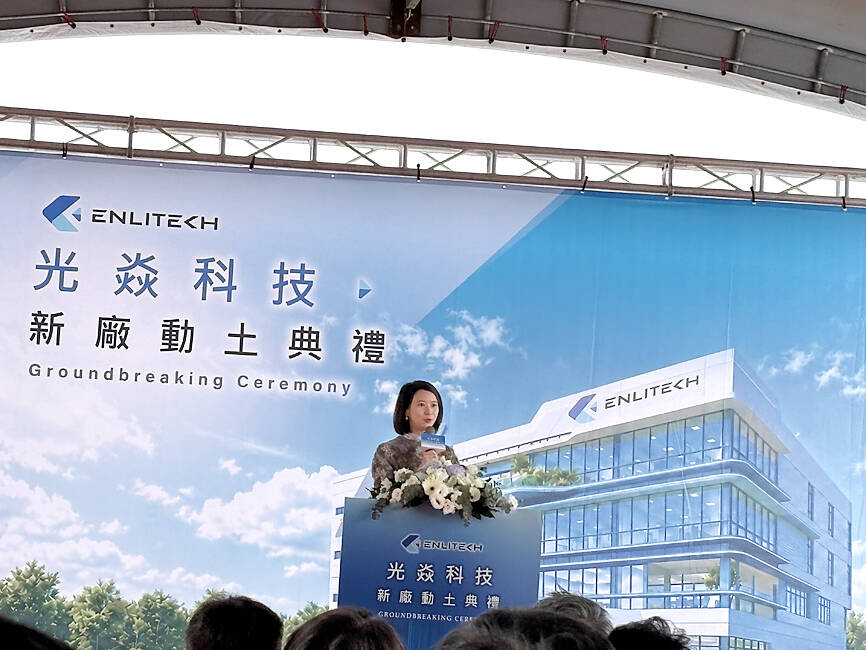
Enli brakes ground on Kaohsiung plant
This story about Taiwan's role in the AI supply chain echoes our earlier report on Enli's Kaohsiung plant.
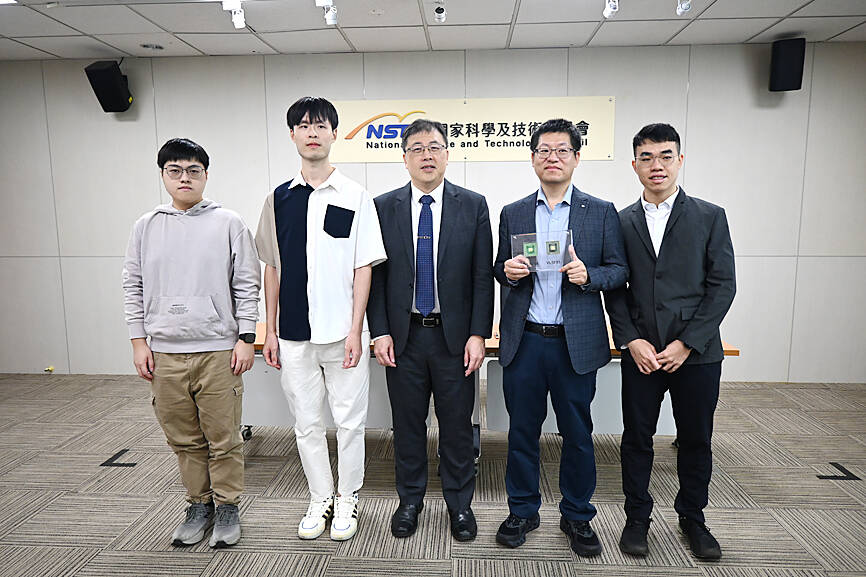
NTU develops chips for on-device generative AI
The article highlights Taiwan's chip development, a theme we explored with NTU's on-device generative AI chips.

Decarbonization Of Power Grids: Insights From A China Leading F-Gas Regulation Compliant Switchgear Manufacturer

What Is Cloud Computing? A Complete Beginner's Guide (2026)
