Japan's space agency conducts first test flight for experimental reusable rocket
Japan's space agency, JAXA, successfully conducted the first test flight of its experimental reusable rocket, RV-X, marking a significant step in the country's efforts to reduce space launch costs. The less than one-minute flight saw the rocket lift off, hover, move horizontally, and land as planned at the Noshiro Testing Center. This development aims to help Japan compete with global leaders like SpaceX, which has utilized reusable rocket technology for years to lower the cost of delivering payloads into space. The RV-X, co-developed with Mitsubishi Heavy Industries, is designed to be a more cost-effective successor to Japan's current H3 series, with future tests planned for higher altitudes. This move is crucial for Japan's space program and national security, ensuring a stable and commercially competitive transport capability.
Japan's successful test flight of the RV-X reusable rocket signals a critical push to enhance its competitiveness in the global space market, a sector increasingly defined by cost efficiency and innovation. By pursuing reusable technology, JAXA and Mitsubishi Heavy Industries are directly challenging the dominance of players like SpaceX, whose cost-saving methods have reshaped the industry. This initiative is not merely about technological advancement; it's a strategic imperative for Japan to secure its position in the burgeoning space economy, which has significant implications for satellite deployment, communication infrastructure, and national security across Asia. The ability to lower launch costs will enable more frequent missions, foster greater private sector involvement, and potentially accelerate the development of new space-based services and applications within the region.
Furthermore, this development highlights a broader trend of Asian nations investing heavily in advanced space capabilities. Coming shortly after China's own successful rocket stage recovery, it underscores a regional race for technological leadership and self-reliance in space. For Asia's tech ecosystem, this translates into increased demand for specialized engineering talent, advanced materials, and AI-driven systems for mission control and data analysis. The long-term impact could include a more vibrant commercial space sector, attracting further investment and fostering innovation in related fields, ultimately strengthening Asia's overall technological prowess on the global stage.
Related reading
6 stories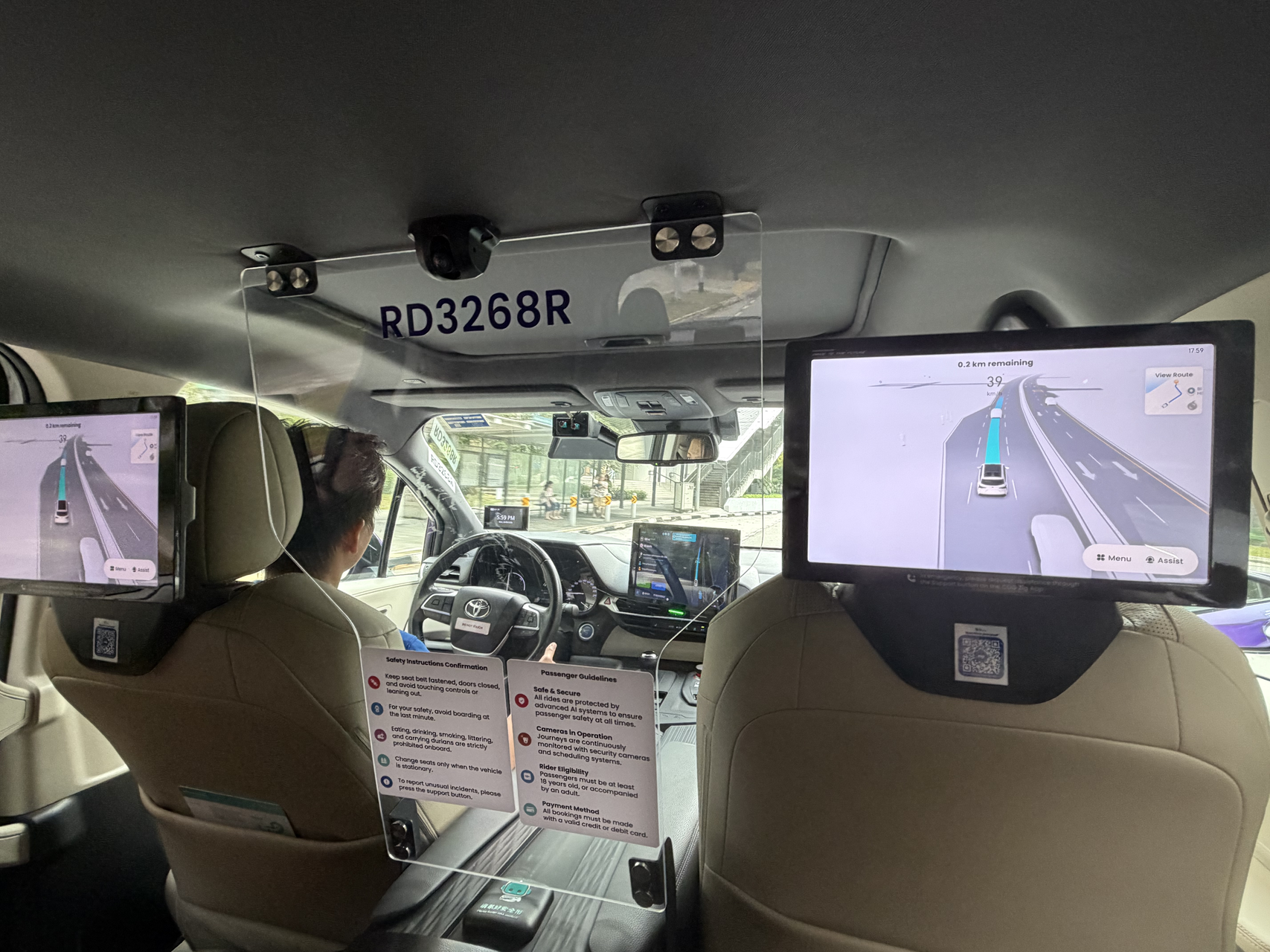
If driverless cars already work, why aren’t they everywhere?

Sumsub Launches Workforce Verification as Deepfake Risks Grow
ByteDance’s AI-enhanced short-drama app eclipses China’s Netflix rivals combined

Timo Joins Top 10 Banks in Vietnam by Customer Satisfaction

Payment Agility and Modernisation for the Age of Intelligence