Japan Shifts to Proactive Cyberdefense: An Interview with Policymaker Taira Masaaki
Japan is shifting its national cybersecurity strategy towards proactive defense, driven by the rapid development of AI, according to policymaker Taira Masaaki. He discussed new legislation and the Liberal Democratic Party’s AI White Paper 2.0, which advocates for Japan to develop specialized AI models rather than competing in general large language models.
The interview highlights how the immediate impact of AI model shutdowns, exemplified by the US government's temporary order against Anthropic's Fable 5 and Mythos 5, is influencing Japan's cybersecurity policy. This event underscored the vulnerability of nations reliant on foreign-developed AI, prompting Japan to consider how to diversify risk and secure its autonomy in critical AI infrastructure.
Japan's approach to "sovereign AI" balances political appeal with practical realities. A purely homegrown AI system is deemed impractical due to its extensive requirements for advanced semiconductors, rare earth materials, data centers, and cloud services. The strategy, as outlined in the LDP’s AI White Paper 2.0, instead proposes focusing resources on securing choke points in the AI supply chain and developing specialized AI technologies.
This specialization involves channeling public and private investment into vision-language-action (VLA) foundation models for applications like robotics, drones, and autonomous driving. Another area of focus is vertical AI, which develops models for specific fields such as medicine, utilizing real-time sensor data. These targeted approaches are seen as playing to Japan's industrial strengths, offering a path to national security-critical technology without direct competition against global leaders in general LLMs.
Share this article
Related reading
6 stories
OpenAI CEO announces new AI agent and avoids mention of security concerns at developer conference
OpenAI's CEO announced new AI agents, but avoided security concerns, a key issue for Japan's policy.
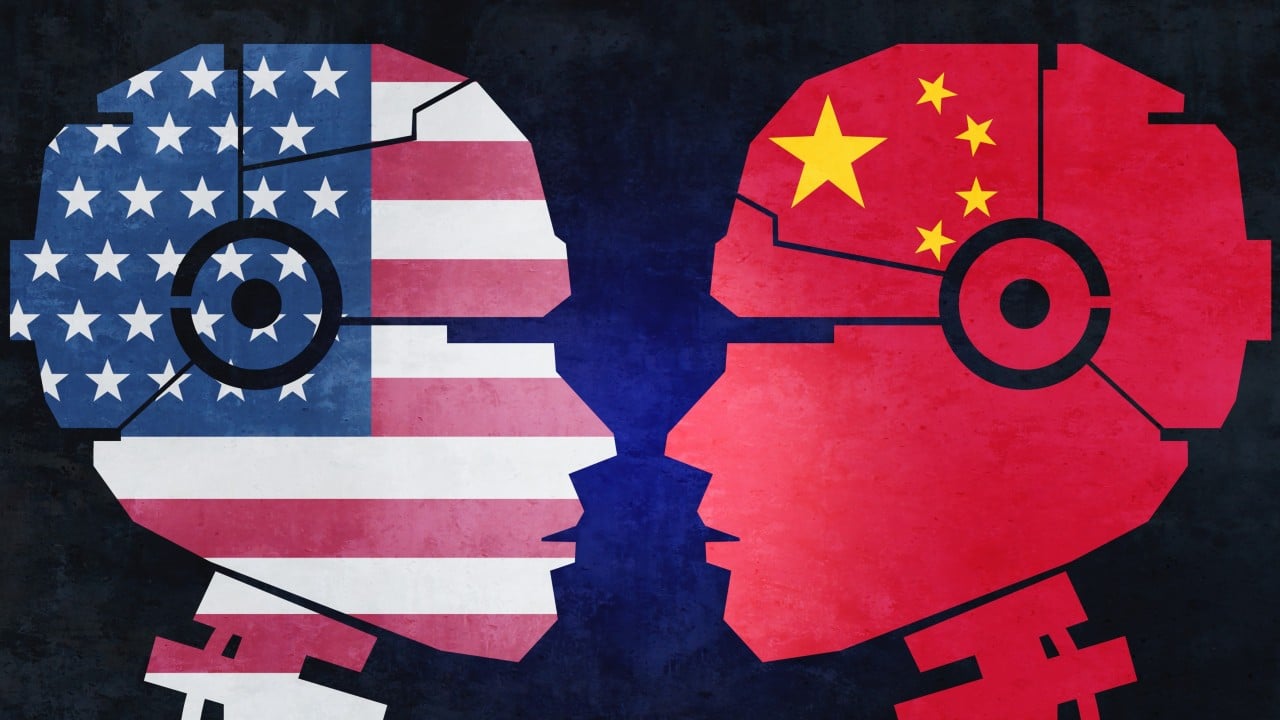
US and China need shared risk vocabulary to manage AI threats: Beijing-linked think tank
US and China need shared risk vocabulary for AI threats, echoing Japan's proactive cyberdefense shift.

OpenAI faces growing legal risks after AI agents linked to dozens of hacks

AI microdramas are a test case for China’s next big export wave

Can Japan Counter China’s Dominance in AI?