ISRO’s GSLV-F17 Launches EOS-05, India’s First Geosynchronous Imaging Satellite
The Indian Space Research Organisation (ISRO) successfully launched EOS-05, India’s first geosynchronous imaging satellite, into a Sub-Geosynchronous Transfer Orbit (Sub-GTO) on Friday at 2:55 am IST. The launch utilized the GSLV-F17 rocket. Once fully operational, EOS-05 will provide near-real-time imaging of the Indian subcontinent. This capability is designed to support critical applications such as disaster management, agriculture, forestry, and natural resource planning. The satellite was placed into orbit approximately 18 minutes after liftoff.
India's launch of the EOS-05 satellite marks a significant step in its domestic space capabilities, specifically for Earth observation. This geosynchronous imager will provide persistent, near-real-time monitoring of the Indian subcontinent, directly benefiting sectors like disaster management and agriculture. The ability to track environmental changes and natural resources with greater frequency and detail offers a clear advantage for national planning and response. While the immediate impact is on India's internal data needs, the development of advanced imaging satellites by ISRO also reflects a broader trend of Asian nations strengthening their independent space infrastructure. This reduces reliance on foreign satellite data and services, potentially opening avenues for data sharing or commercial services within the region in the future. The key thing to watch is the operational efficiency and data delivery speed once EOS-05 is fully online.
Related reading
6 stories
Dixon Technologies eyes foray into aerospace, defence, medical electronics
Dixon Technologies, an Indian electronics manufacturer, is eyeing a foray into the aerospace and defence sectors.
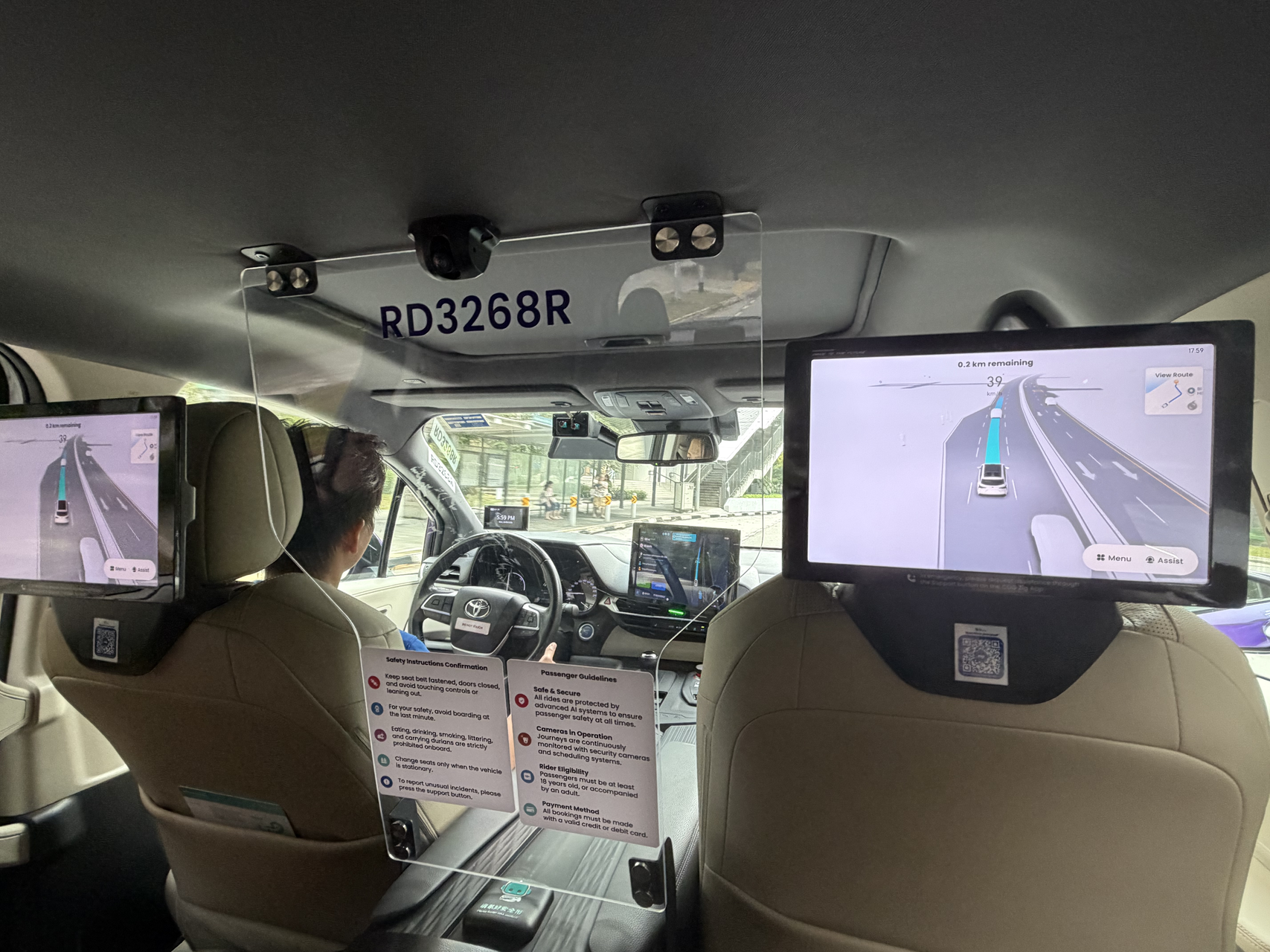
If driverless cars already work, why aren’t they everywhere?

Sumsub Launches Workforce Verification as Deepfake Risks Grow

ByteDance’s AI-enhanced short-drama app eclipses China’s Netflix rivals combined

Timo Joins Top 10 Banks in Vietnam by Customer Satisfaction