Inaugural Global Education Summit explores AI, future talent and changing pathways
More than 2,000 policymakers, educators, and parents convened in Hong Kong for the inaugural Global Education Summit. Co-organized by the South China Morning Post and HSBC Premier, the two-day event focused on regional talent development, artificial intelligence integration, and evolving academic pathways. Attendees included representatives from over 40 leading secondary schools and universities, such as Cambridge and Oxford. Hong Kong's Secretary for Education, Christine Choi Yuk-lin, stated the city aims to transform study-abroad trends into a "two-way global highway" by expanding STEM education. The government plans for 35 percent of all undergraduate students at its funded universities to be enrolled in STEM disciplines by the 2026-27 academic year.
Hong Kong’s push to expand STEM education, aiming for 35 percent of government-funded university undergraduates in STEM by the 2026-27 academic year, reflects a clear policy direction. This initiative, highlighted at the Global Education Summit, is a direct response to the integration of AI and the evolving talent landscape. The city is positioning itself as a hub for future talent, moving beyond a traditional one-way flow of students. The focus on AI integration in education is significant for the broader Asia region. As Hong Kong actively seeks to attract global talent and develop its local pool, this could intensify competition for skilled professionals in technology and AI across Southeast Asia and mainland China. The involvement of major educational institutions like Cambridge and Oxford also points to a global validation of Hong Kong's educational ambitions. The thing to watch is the actual implementation and the quality of these expanded STEM programs. Meeting the 35 percent target is one measure, but the real impact will be seen in the innovation and economic contributions from this new generation of graduates. This policy suggests a long-term commitment to building a tech-ready workforce in Hong Kong.
Related reading
6 stories
Hong Kong’s leader outlines 3 key new growth drivers ahead of first 5-year plan
Hong Kong's leader previously outlined key growth drivers, including talent and innovation, aligning with this summit's focus.
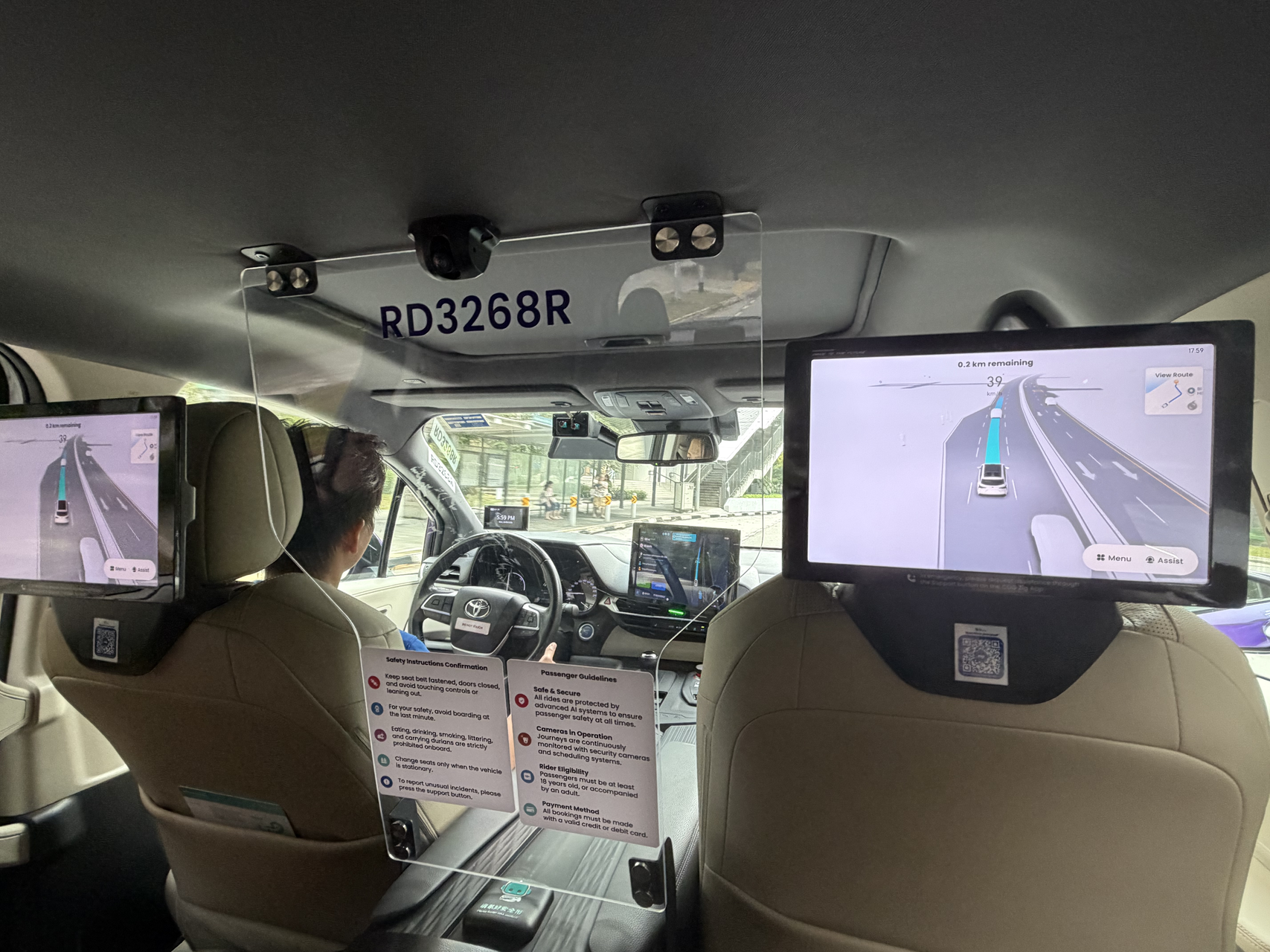
If driverless cars already work, why aren’t they everywhere?
Sumsub Launches Workforce Verification as Deepfake Risks Grow

ByteDance’s AI-enhanced short-drama app eclipses China’s Netflix rivals combined

Timo Joins Top 10 Banks in Vietnam by Customer Satisfaction