I tested ChatGPT's PDF Content Credentials: what survives a re-save, a print and an edit
A test by Atomara's founder explored how OpenAI's Content Credentials function in ChatGPT-generated PDFs after common modifications. It demonstrated that an edited PDF can retain OpenAI's signed statement of creation, but this statement may describe an earlier, unedited file version, resulting in a validation mismatch when the document's content changes.
ChatGPT-generated PDFs can embed Content Credentials, which are digitally signed statements about the document's origin. These are structured data, not simple text, adhering to the C2PA specification. The C2PA manifest contains claims and assertions, secured with a COSE signature, designed to attest to the document's provenance and the tool that created it.
A key finding was that if ChatGPT modifies a PDF it previously generated, the new file might still carry the original signed manifest. However, the critical component for verifying authenticity is the `assertion.dataHash.match`. If the document's content changes, even subtly, the hash of the current file will no longer align with the hash recorded in the original manifest, despite the manifest's continued presence and valid signature.
This means that while the manifest's presence indicates a tool once made a document, validating it by matching the hash to the current file confirms whether the tool made this specific version. Without this hash match, the credential, though present and signed, does not vouch for the current iteration of the document, limiting its utility for verifying content integrity after an edit. The test was based on ten documents from one account over two days, not a broad survey.
Share this article
Related reading
6 stories
Benign Injection: How Far a Single Line Like "Known Issue" or "Handled Elsewhere" Bends an AI's Judgment
We previously explored how subtle inputs can bend an AI's judgment, a relevant consideration for content credentials.
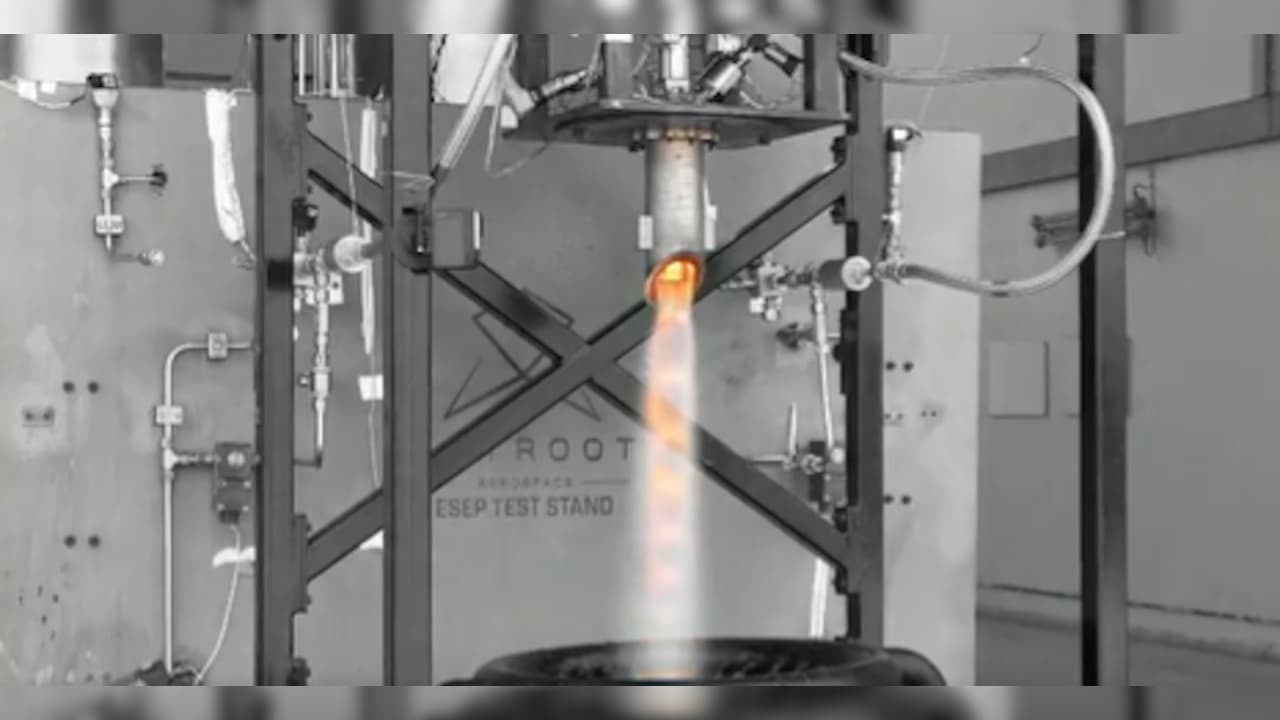
Skyroot's Raman-1 Thruster Clears Test Fire As Vikram-1 Gears Up For Second Flight

Artmarket.com (Artprice): Q3 2026 revenue up; global rollout in early December 2026 of Artprice Visual Search®, the "quantum leap" of 30 years of AI-First strategy

Hong Kong may consider funding AI films in Film Development Fund review
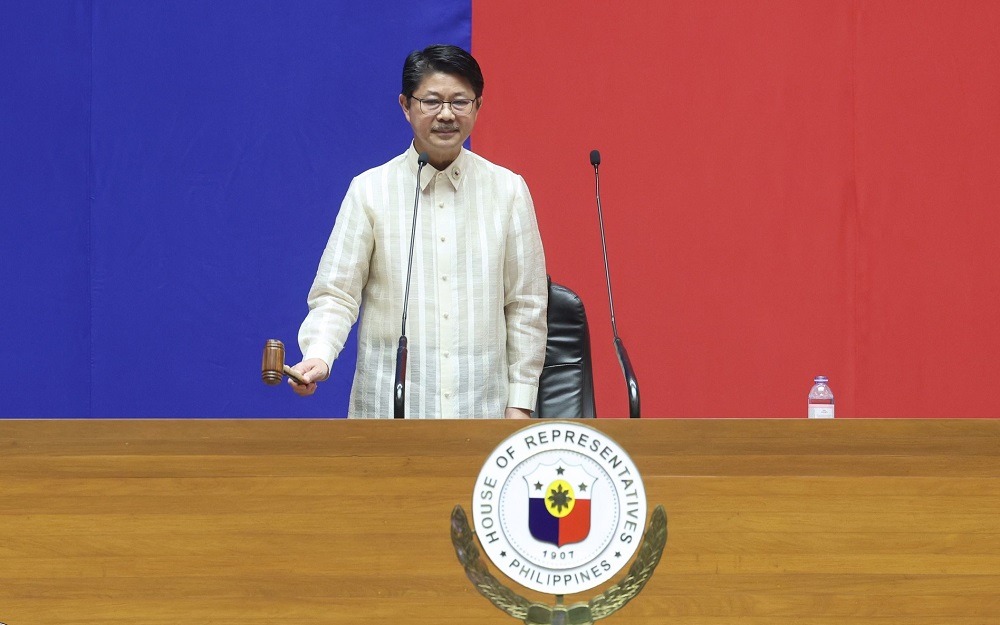
House to roll out budget transparency portal, flag faulty geotags