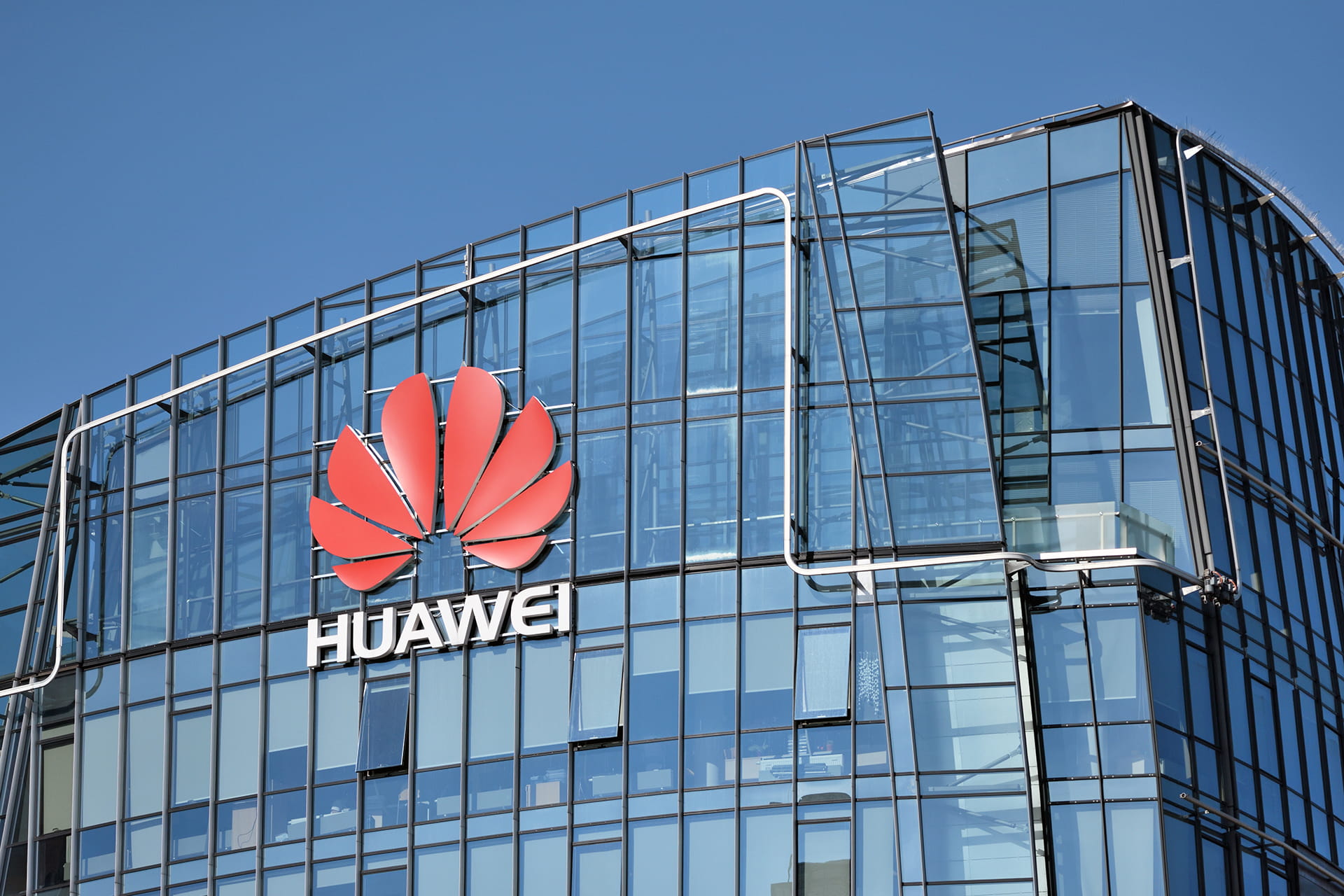
Huawei reveals chip design breakthrough
Huawei Technologies announced a significant breakthrough in chip design, projecting the ability to design high-end chips with transistor density equivalent to 1.4-nanometre processes by 2031. This ambitious goal comes despite ongoing US sanctions that have severely restricted China's access to advanced chipmaking technology. The company introduced its new "Tau Scaling Law," a principle focused on improving chip performance by optimizing signal and data movement rather than solely relying on transistor miniaturization. Huawei also stated that its upcoming Kirin chips, set to launch this autumn, will incorporate a related architecture called LogicFolding to enhance performance. The company claims to have already designed and mass-produced 381 chips using the Tau Scaling Law over the past six years for various applications, including smartphones and AI computing.
Huawei's announcement of the Tau Scaling Law and its 1.4nm equivalent chip design target by 2031 is a pivotal development for Asia's tech ecosystem, particularly within the context of ongoing geopolitical tensions and supply chain disruptions. This initiative underscores China's determined push for semiconductor self-sufficiency, aiming to circumvent US export controls that have historically stifled its access to cutting-edge fabrication equipment. If successful, Huawei's approach could redefine the global semiconductor roadmap, shifting focus from pure lithography advancements to architectural and design innovations, thereby creating new avenues for performance improvements.
This strategy has profound implications for regional market dynamics. It could foster a more diversified and resilient Asian semiconductor supply chain, reducing reliance on Western technology and potentially accelerating indigenous R&D and manufacturing capabilities across China and its partners. For other Asian economies, Huawei's success could present both opportunities for collaboration in new design methodologies and challenges from increased competition in advanced chip development. The integration of LogicFolding in upcoming Kirin chips serves as an early indicator of this new paradigm, signaling a tangible shift in how high-performance chips can be conceived and produced within a constrained environment.
Related reading
6 stories
People’s Daily rejects US claims of malicious AI distillation, warns of countermeasures

Databricks to Invest Over US$350 Million in Singapore, Double Its Workforce
ByteDance’s AI-enhanced short-drama app eclipses China’s Netflix rivals combined

Personetics Launches AI Banking Console for Relationship Managers

Anthropic Sets October Launch for Singapore Office With Local Hiring Planned