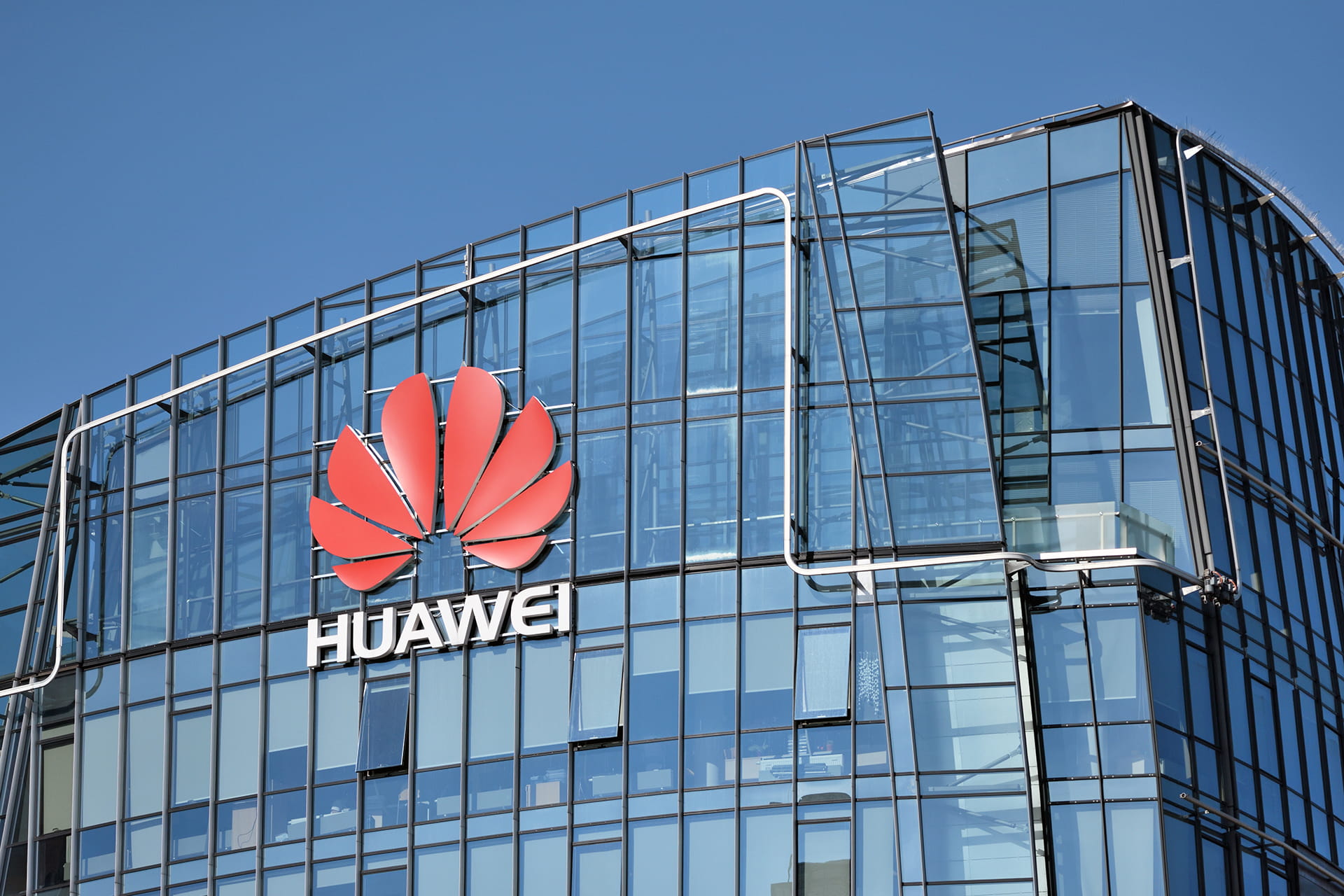
Huawei lays out six priorities for AI-era mobile networks
Huawei outlined six key priorities for the evolution of mobile networks in the AI era at MWC Shanghai, emphasizing a shift beyond mere data transfer. The company’s vision centers on integrating artificial intelligence into network operations, developing new services, and redefining monetization strategies. Huawei proposes that carriers prepare for a future where networks support real-time AI services, processing requests and generating responses, rather than solely moving data between people and devices. This transformation includes exploring "byte and token monetization," where revenue is generated from both traditional data usage and AI model processing. The company’s roadmap highlights infrastructure changes necessary for this transition, including 5G-Advanced capabilities, satellite-ground integration, and AI-native core networks.
Huawei's strategic push for AI-native mobile networks at MWC Shanghai signals a significant inflection point for Asia's telecom sector. By framing the next decade of mobile communications around AI integration and "token monetization," Huawei is not just advocating for technological upgrades but a fundamental re-imagining of carrier business models. This move is particularly impactful in Asian markets, where rapid 5G adoption and a burgeoning AI ecosystem create fertile ground for these innovations. Carriers in countries like China, South Korea, and Singapore, already at the forefront of 5G deployment, will likely be early adopters of these AI-centric network architectures, seeking to differentiate services and capture new revenue streams from AI-powered applications.
The emphasis on satellite-ground integration and spectrum planning, particularly U6GHz, also reflects a broader regional trend towards expanding connectivity and resilience, crucial for diverse geographies within Asia. Huawei's focus on uplink capacity, driven by the demands of interactive AI services, challenges the traditional download-centric network design prevalent in consumer mobile services. This shift could accelerate the development of new AI applications in areas like smart manufacturing, telemedicine, and augmented reality across Asia, where real-time, bidirectional data flow is paramount. Ultimately, Huawei's roadmap positions Asian carriers to lead in defining the infrastructure and monetization strategies for the global AI-driven mobile future.
Related reading
6 stories
People’s Daily rejects US claims of malicious AI distillation, warns of countermeasures

Databricks to Invest Over US$350 Million in Singapore, Double Its Workforce
ByteDance’s AI-enhanced short-drama app eclipses China’s Netflix rivals combined

Personetics Launches AI Banking Console for Relationship Managers

Anthropic Sets October Launch for Singapore Office With Local Hiring Planned