Huawei Highlights Continuous Innovation, Securing Competitive Edge Through Technological Breakthroughs
Huawei's Executive Director, Richard Yu, reported on the company's consumer business and HarmonyOS ecosystem, noting a shift to homegrown technologies since 2019. Huawei has increased R&D investment to over 20% of annual revenue recently, leading to breakthroughs like the LogicFolding semiconductor technology, used in the new Kirin 9050 Pro chip and Mate 90 series.
Huawei's emphasis on "LogicFolding technology under the Tau Scaling Law" indicates a strategic approach to overcome limitations in advanced semiconductor processes. By vertically stacking logic layers and restructuring circuit layouts, the company aims to shorten critical paths and reduce latency, directly addressing performance needs for its devices. This is a technical solution to a supply chain challenge, allowing for improved AI processing power, as demonstrated by the Kirin 9050 Pro chip's ability to run a 30B MoE on-device AI model.
The development of HarmonyOS into an alternative operating system ecosystem, with over 90 million devices running HarmonyOS 6 and 7, and 450,000 apps, represents a substantial effort to build an independent software foundation. This initiative, alongside the domestic chip manufacturing for smartphones, illustrates Huawei's strategy to reduce reliance on external technologies and establish a self-sufficient supply chain, particularly since 2019. The stated intention to bring HarmonyOS to the global market suggests a broader ambition beyond domestic use.
Huawei's continued investment in R&D, exceeding CNY1.8 trillion between 2007 and 2025 and recently over 20% of annual revenue, underpins its technological independence. This investment has fostered core capabilities and a substantial patent portfolio. While the company acknowledges limited access to advanced semiconductor processes, its internal developments like LogicFolding and Ascend AI chips aim to secure its competitive edge, even as it navigates tight production capacity for advanced semiconductors in China.
Share this article
Related reading
6 stories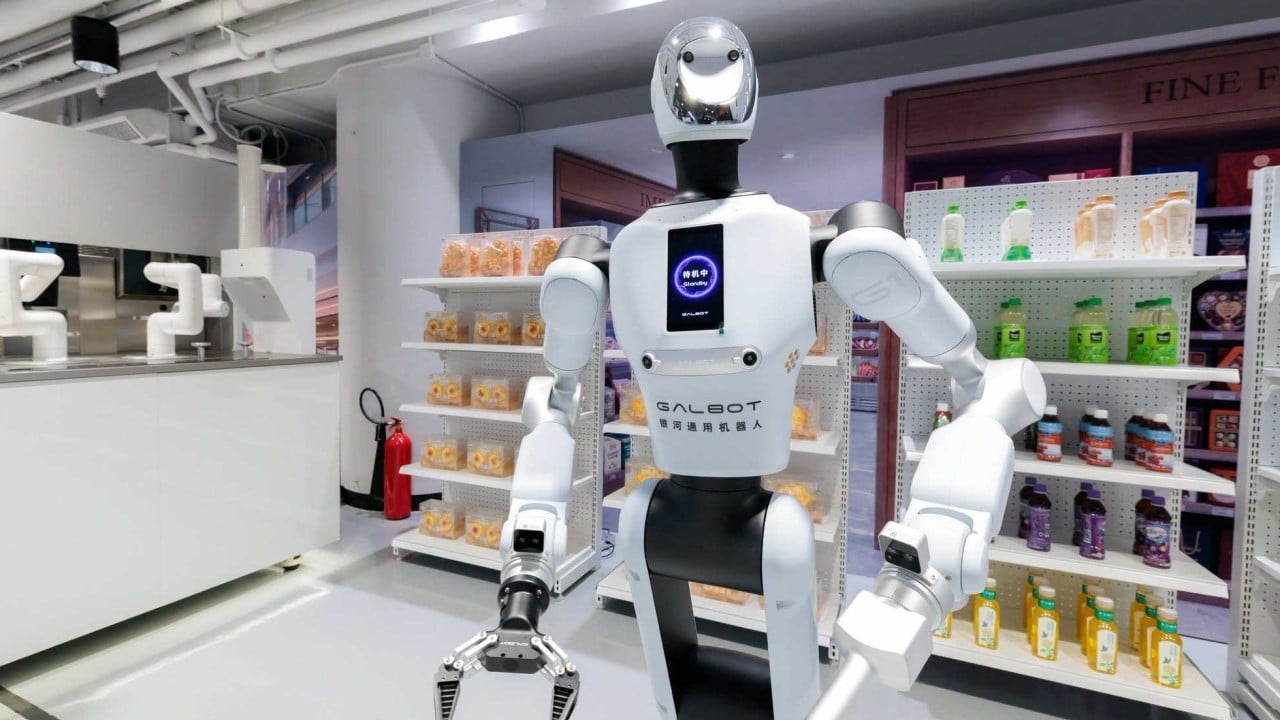
Hong Kong vies for role in robotics boom with launch of embodied AI hub
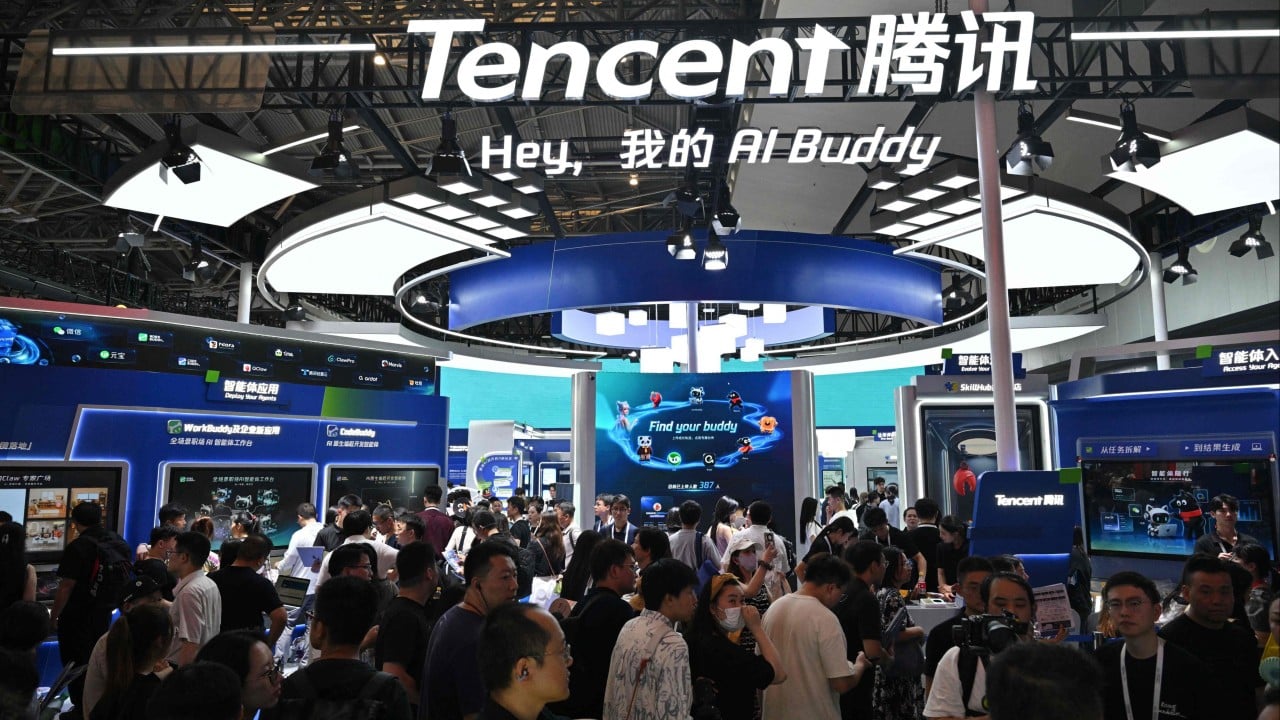
AI agents on Tencent Cloud try to break into Alibaba’s Amap: researchers

Hong Kong investors most eager in Asia to beat markets – but temper return hopes: report
FTC Demands Answers From OpenAI and Anthropic About AI Safety
OpenAI’s Hidden Recorder Case: How AI Helped Investigators