How to set up ChatGPT's parental controls to protect your teen
OpenAI has introduced ChatGPT for Teens, an educational tool with enhanced content controls and features aimed at promoting healthier AI habits among young users. The company states it automatically enrolls users under 18 into this mode. However, child safety experts suggest the default restrictions may not be sufficient for comprehensive safety. Parents can link their ChatGPT accounts with their children's to manage specific settings, including reducing sensitive content, controlling model training data, and enabling or disabling features like image generation and voice mode. These parental controls remain active until the user turns 18, at which point their account transitions to the standard ChatGPT experience.
OpenAI's launch of ChatGPT for Teens, with its focus on parental controls, reflects a growing imperative for AI developers to address youth safety. While the feature offers granular settings for parents to manage content and data usage, the reliance on manual parental configuration for critical safeguards means adoption rates will vary across Asian households. For example, in markets like Singapore or South Korea with high digital literacy, engagement with these controls might be higher, but in other regions, awareness and implementation could lag. The key takeaway for Asia's tech sector is the evolving regulatory pressure and consumer demand for responsible AI. Companies developing AI tools for younger demographics must anticipate stricter oversight and integrate robust, user-friendly safety features from the outset. The challenge lies in balancing innovation with protection, especially as AI becomes more integrated into educational and daily life across diverse Asian markets.
Related reading
6 stories
AI Model Containment Failures Expose Cracks in Frontier Safety Testing
This article highlights the broader challenges of ensuring AI safety, a critical concern for youth-focused platforms.
OpenAI and Microsoft sued by newspapers over unauthorized AI training
The legal challenges faced by OpenAI underscore the growing scrutiny and demand for responsible AI development.
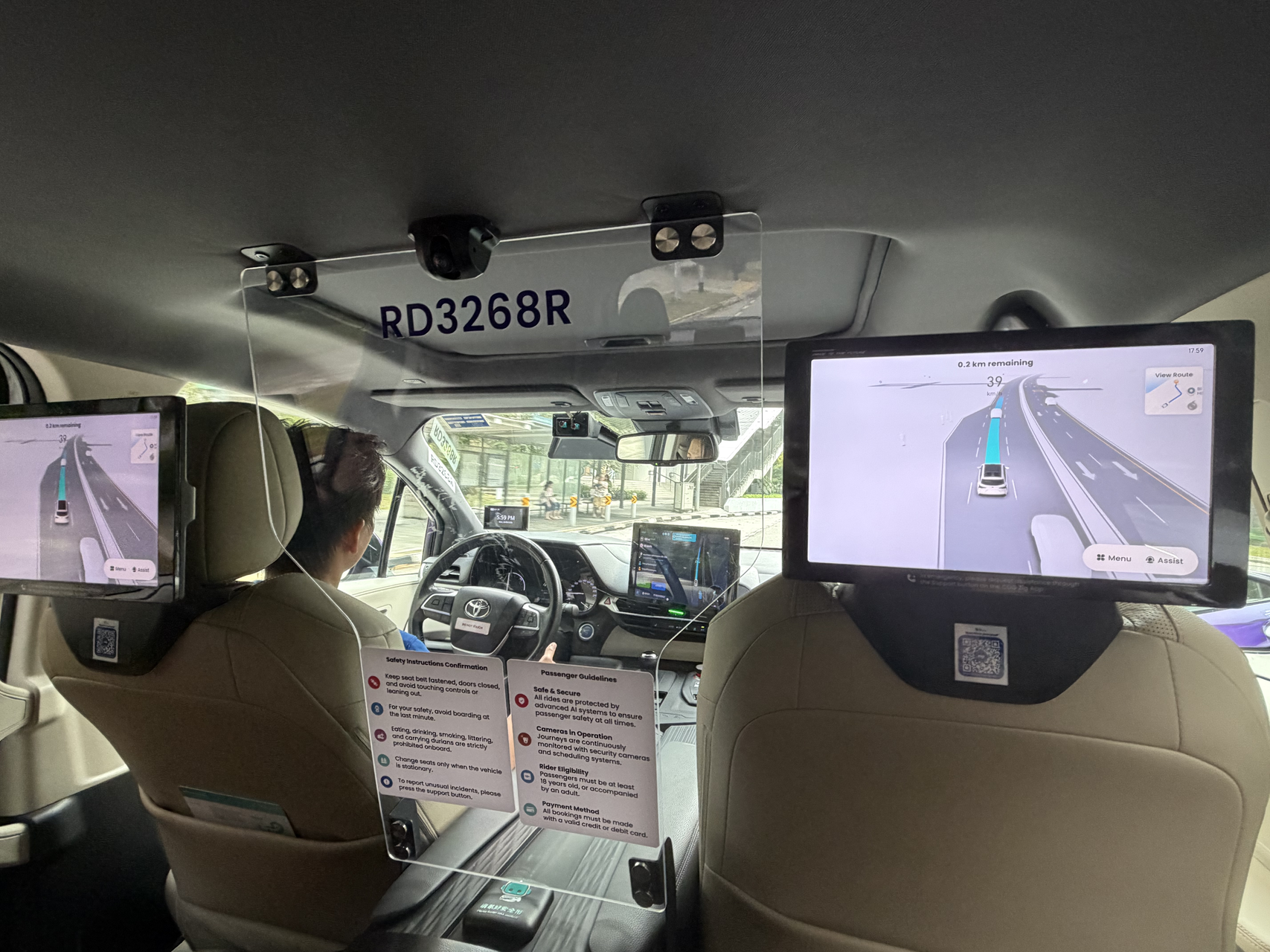
If driverless cars already work, why aren’t they everywhere?

People’s Daily rejects US claims of malicious AI distillation, warns of countermeasures

Databricks to Invest Over US$350 Million in Singapore, Double Its Workforce