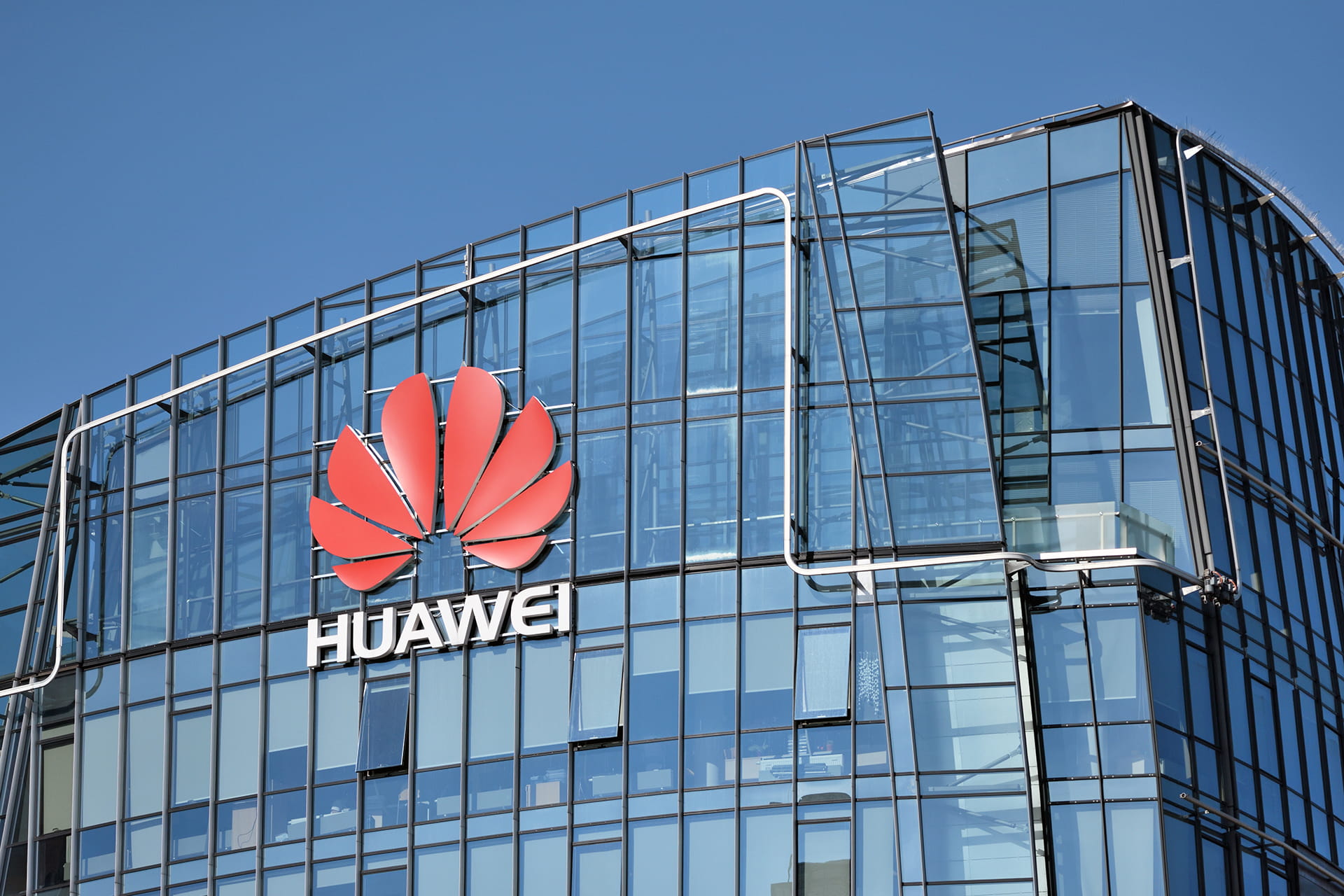
HIMA brings in secondary battery suppliers, with Gotion set to power Aito car models
Harmony Mobility Intelligent Alliance (HIMA) is diversifying its power battery suppliers for its electric vehicle brands, including Aito and Luxeed, to mitigate rising supply chain costs and enhance market competitiveness. This strategic shift involves introducing second-tier battery manufacturers like Gotion High-tech and China Aviation Lithium Battery (CALB), moving away from a sole reliance on Contemporary Amperex Technology (CATL). The move aims to reduce vehicle production costs, particularly for mid-to-low-end models, and help HIMA achieve its ambitious 2026 delivery target of one million vehicles. This diversification is a direct response to increasing pressure from memory chip and lithium carbonate prices, which have significantly impacted profit margins across the automotive sector.
HIMA’s decision to diversify its battery suppliers signals a significant shift in the Asian EV market, highlighting the intense pressure automakers face from rising supply chain costs and fierce competition. By bringing in second-tier suppliers like Gotion and CALB, HIMA aims to reduce the cost of its electric vehicles, making them more competitive, especially in the crucial mid-to-low-end segments. This strategy directly challenges the dominance of established players like CATL, forcing them to re-evaluate their pricing and potentially leading to a more balanced and competitive battery supply landscape across Asia. The emphasis on cost reduction through supply chain diversification is a trend likely to be emulated by other Asian automakers striving to meet aggressive sales targets and maintain profitability in a rapidly evolving market.
This move also underscores the growing importance of vertical integration and strategic partnerships in the Asian tech ecosystem. Huawei’s involvement in setting “giant whale” battery standards for HIMA’s supply chain demonstrates its ambition to exert greater control over critical components and push for higher industry benchmarks. This could foster innovation among battery suppliers eager to meet these stringent requirements, ultimately benefiting the entire EV sector in Asia by driving advancements in battery technology and safety. The shift away from single-supplier reliance also mitigates risks associated with supply chain disruptions, a lesson learned from recent global events, and enhances the resilience of Asia’s automotive manufacturing base.
Related reading
6 stories
People’s Daily rejects US claims of malicious AI distillation, warns of countermeasures

Databricks to Invest Over US$350 Million in Singapore, Double Its Workforce
ByteDance’s AI-enhanced short-drama app eclipses China’s Netflix rivals combined

Personetics Launches AI Banking Console for Relationship Managers

Anthropic Sets October Launch for Singapore Office With Local Hiring Planned