Hangang, South Korea’s sixth national supercomputer, was commissioned on 2 November with 8,496 GPUs including Nvidia’s GH200, a theoretical peak 24 times that of the 2018 Nurion it replaces, with full service due to start on 14 December.
South Korea commissioned Hangang, its sixth national supercomputer, on November 2 at the Korea Institute of Science and Technology Information (KISTI) in Daejeon. The system features 8,496 GPUs, including Nvidia's GH200, and offers a theoretical computing performance 24 times greater than its 2018 predecessor, Nurion, according to the Ministry of Science and ICT. Official service is slated to begin on December 14.
Hangang represents a substantial upgrade in South Korea's computational infrastructure, primarily through its hardware composition. The system includes 8,496 GPUs, among them Nvidia's GH200 integrated CPU-GPU accelerator chips. The Ministry of Science and ICT reports a theoretical computing performance 24 times that of Nurion, alongside 10 times the storage and four times the network performance. These are theoretical comparisons, not measured results on specific research workloads.
This hardware configuration directly expands the nation's research capabilities. While Nurion supported CPU-based large-scale computational science and simulation, Hangang is specifically designed to add AI-based scientific research using its newer GPUs. The Ministry stated that Hangang will serve as a core base for supporting the combination of AI with science and technology, aiming to facilitate new scientific discoveries beyond what was primarily possible with the older system's architecture.
The new supercomputer is intended for national strategic research and development, including projects like K-Moonshot, which aims to double research productivity by 2030. It will also back exploratory research at universities and government-funded institutes, alongside technology development at companies. While commissioned and running a trial service, its full practical impact on these diverse research areas will emerge once official service commences on December 14.
Share this article
Related reading
6 stories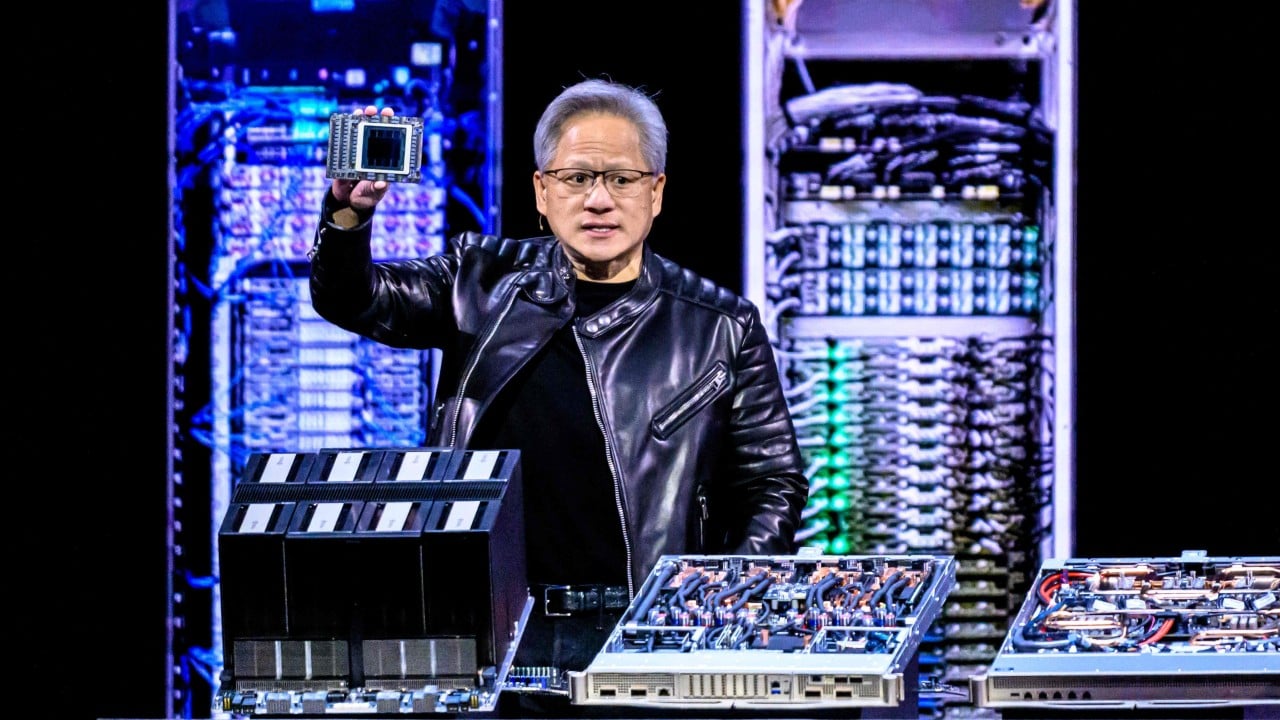
Chinese traders still confident of Nvidia GPU access amid Jensen Huang scandal
Nvidia GPUs are central to South Korea's new supercomputer; we recently covered their market access in China.

Sunlife Brings Google Workspace with Gemini to Asia Advisors
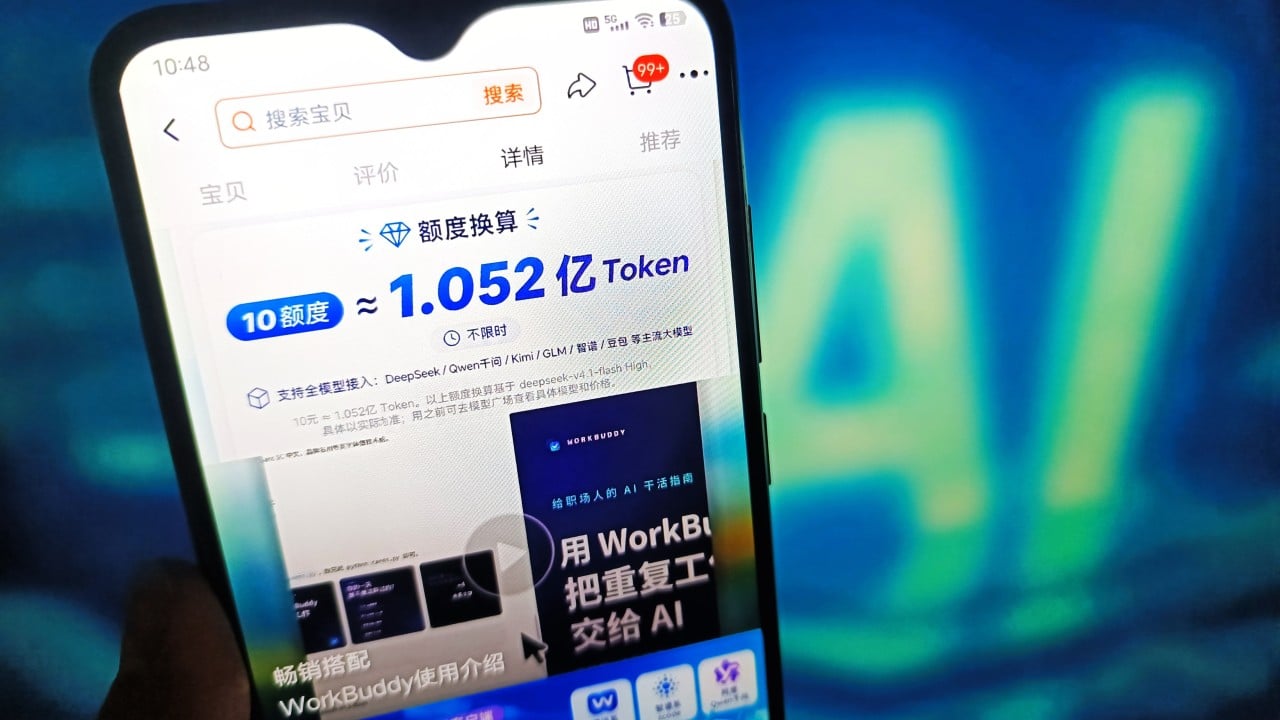
Less coupon math, more AI: what’s new for China’s 18th Singles’ Day

Jensen Huang reportedly engaged a PR firm with a history of handling high-profile sex scandals a year ago
Can Hong Kong hold its ground as Nasdaq brings Wall Street into Asian hours?