Grab to Acquire 60% of Atome for US$1.49 Billion With Full Takeover to Follow
Grab will acquire a 60% stake in Atome Financial for US$1.49 billion, with a full takeover planned in two phases. The initial phase, expected to close by Q3 2027, includes US$260 million in growth capital. Grab will fund this entirely from existing cash. The second phase will acquire the remaining 40% approximately two years later, with a valuation ranging from US$2 billion to US$4.5 billion. Atome Financial operates in five Southeast Asian markets and has a US$1 billion gross loan portfolio.
Grab’s US$1.49 billion initial investment in Atome Financial is less about immediate BNPL market share and more about deepening its consumer lending capabilities. Atome’s 25 million cumulative users and US$1 billion gross loan portfolio provide a ready base. Grab is buying a proven AI-powered underwriting infrastructure to scale its own financial services segment, aiming for US$500 million in adjusted EBITDA by 2028.
This acquisition strengthens Grab’s position in Southeast Asia’s digital lending space, particularly in Singapore, Malaysia, and the Philippines. Integrating Atome’s AI-driven lending with Grab’s existing ecosystem could accelerate financial inclusion for millions. The deal also positions Grab to compete more aggressively against regional fintech players by expanding its merchant network and product offerings beyond ride-hailing and food delivery.
The test for Grab is whether it can effectively integrate Atome’s operations and management team by Q3 2027. The earn-out structure for the remaining 40% stake, capped at US$4.5 billion, incentivizes performance. However, regulatory approvals across five markets will be a hurdle. Watch for how Grab manages this integration while maintaining Atome’s growth momentum.
Related reading
6 stories
AI in Southeast Asia: Policy development, Public-service applications and Market opportunities
Our analysis explores AI policy, public service applications, and market opportunities across Southeast Asia.
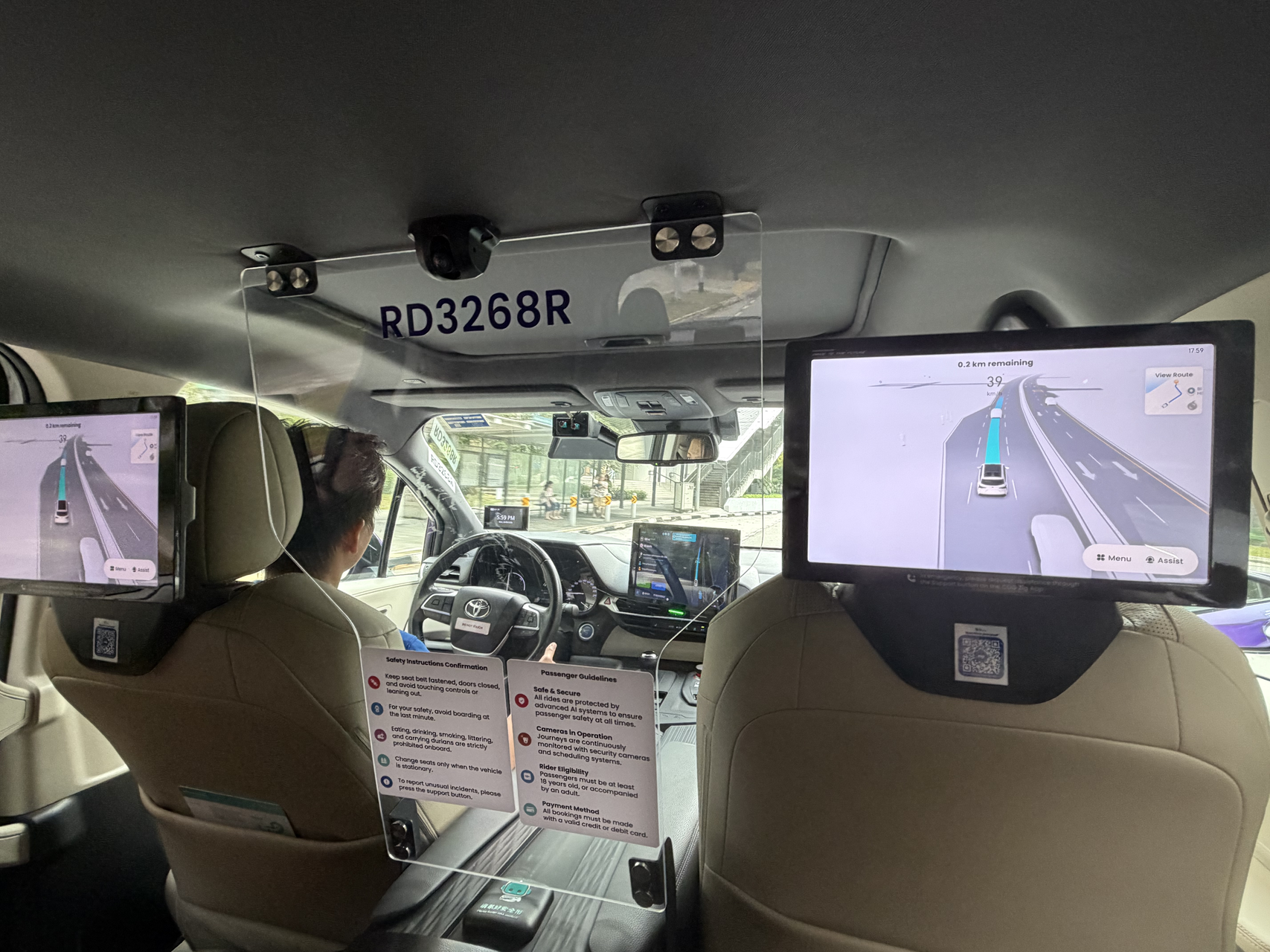
If driverless cars already work, why aren’t they everywhere?

Databricks to Invest Over US$350 Million in Singapore, Double Its Workforce

Sumsub Launches Workforce Verification as Deepfake Risks Grow

ByteDance’s AI-enhanced short-drama app eclipses China’s Netflix rivals combined