
Globe Telecom picks Synchronoss for Philippines cloud
Globe Telecom, a major telecommunications provider in the Philippines, has selected Synchronoss to power its new cloud subscription service. This partnership aims to offer Globe’s extensive user base of 54 million subscribers a robust solution for backing up and managing their digital content. The service will allow users to store photos, videos, and other data beyond the limited storage capacity of their mobile handsets, addressing a common pain point for smartphone users in the region. This move positions Globe to enhance its value proposition to customers by providing essential digital services, potentially increasing customer loyalty and opening new revenue streams in the competitive Philippine market.
This collaboration between Globe Telecom and Synchronoss highlights a growing trend in Asian telecommunications markets: the shift from purely connectivity-focused services to value-added digital offerings. As smartphone penetration continues to rise across Southeast Asia, the demand for reliable and accessible cloud storage solutions is escalating. Telcos like Globe are strategically positioning themselves to meet this demand, leveraging their existing customer base and billing relationships to offer services that extend beyond basic mobile plans. This not only diversifies their revenue streams but also strengthens their competitive edge against over-the-top (OTT) service providers.
For the broader Asian tech ecosystem, this deal underscores the importance of partnerships between local telecom giants and international technology providers. Synchronoss, with its established cloud platform, gains significant market penetration in a rapidly expanding digital economy. Conversely, Globe benefits from a proven, scalable solution without the need for extensive in-house development. This model of collaboration is likely to become more prevalent as Asian markets mature, with telcos seeking to integrate a wider array of digital services, from entertainment and financial technology to smart home solutions, all underpinned by robust cloud infrastructure.
Related reading
6 stories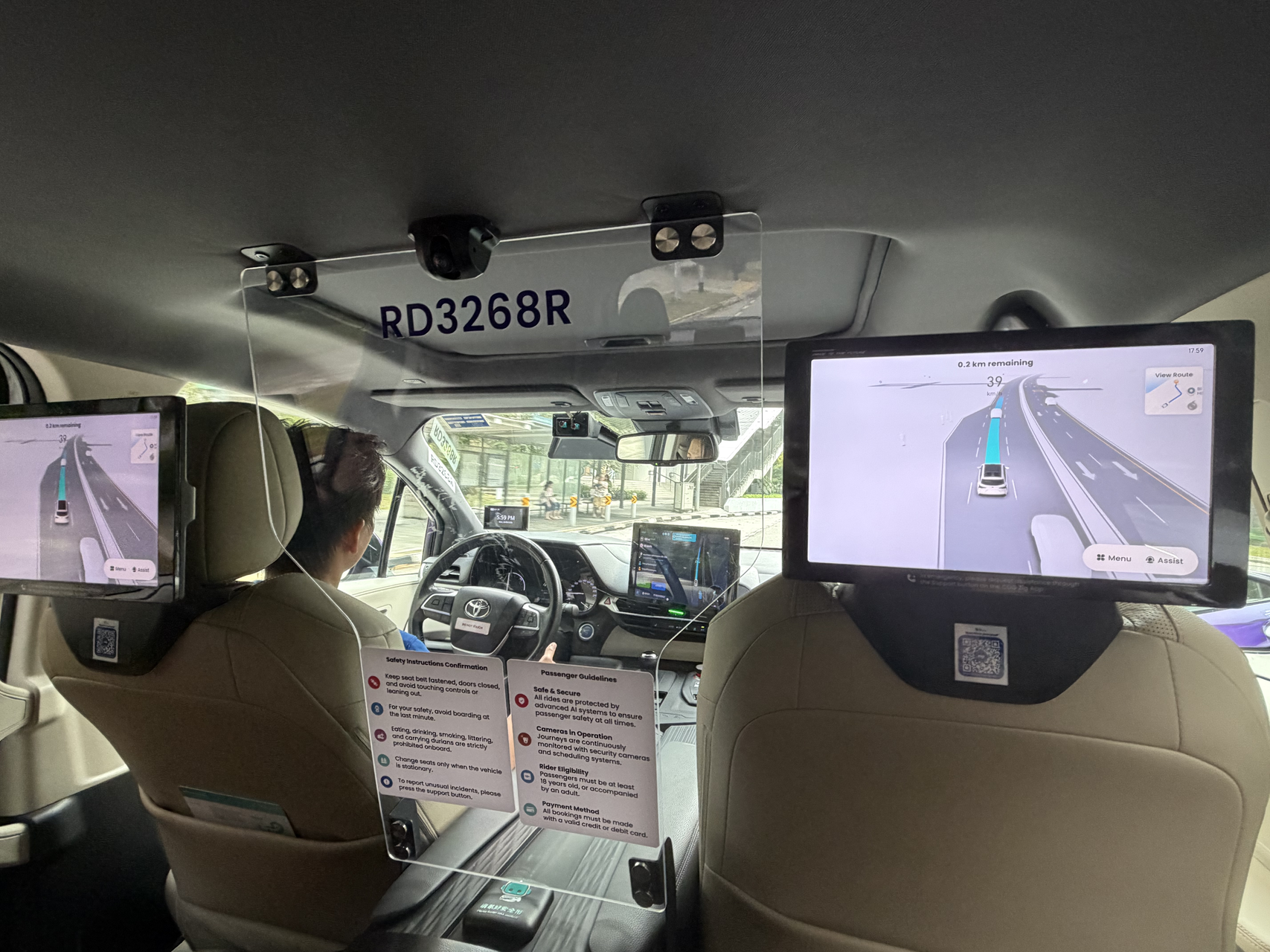
If driverless cars already work, why aren’t they everywhere?

Databricks to Invest Over US$350 Million in Singapore, Double Its Workforce

Sumsub Launches Workforce Verification as Deepfake Risks Grow

ByteDance’s AI-enhanced short-drama app eclipses China’s Netflix rivals combined

Personetics Launches AI Banking Console for Relationship Managers
