Global Times: Here Come China's 'next new three': AI, robotics and innovative drugs spearhead a new round of industrial upgrading
China is strategically shifting its industrial focus towards what it terms the 'next new three' sectors: artificial intelligence, robotics, and innovative drugs. This initiative aims to drive a new phase of industrial upgrading and economic growth, moving beyond traditional manufacturing strengths. The country is already demonstrating its capabilities with examples like four-legged inspection robots deployed in European nuclear power plants and automatic coffee-making robotic arms in global airports. Furthermore, Chinese AI systems are being utilized to support local teaching in Thai schools, showcasing the global reach and application of these emerging technologies. This concerted effort underscores China's ambition to lead in high-tech industries and enhance its global competitiveness.
This report highlights a significant strategic pivot within China's industrial policy, emphasizing AI, robotics, and innovative drugs as core drivers for future economic growth. This move signals a deliberate effort to climb the value chain, shifting from a manufacturing-heavy economy to one powered by advanced technology and innovation. For Asia's tech ecosystem, this means increased competition and potential collaboration opportunities, as Chinese firms expand their footprint in these high-growth sectors. The examples provided, from industrial robots to AI in education, illustrate the practical applications and global ambitions of this strategy. This focus will likely spur further investment in R&D, talent development, and infrastructure within China, creating a ripple effect across the region.
From a market dynamics perspective, this initiative could reshape supply chains and foster new partnerships, particularly in Southeast Asia, where Chinese tech influence is already substantial. The emphasis on innovative drugs also points to a broader push into biotechnology, a sector with immense potential for regional impact. This strategic direction is not just about domestic upgrading; it’s about establishing China as a leader in critical future technologies, which will undoubtedly influence technological standards, market access, and competitive landscapes throughout Asia and beyond.
Related reading
6 stories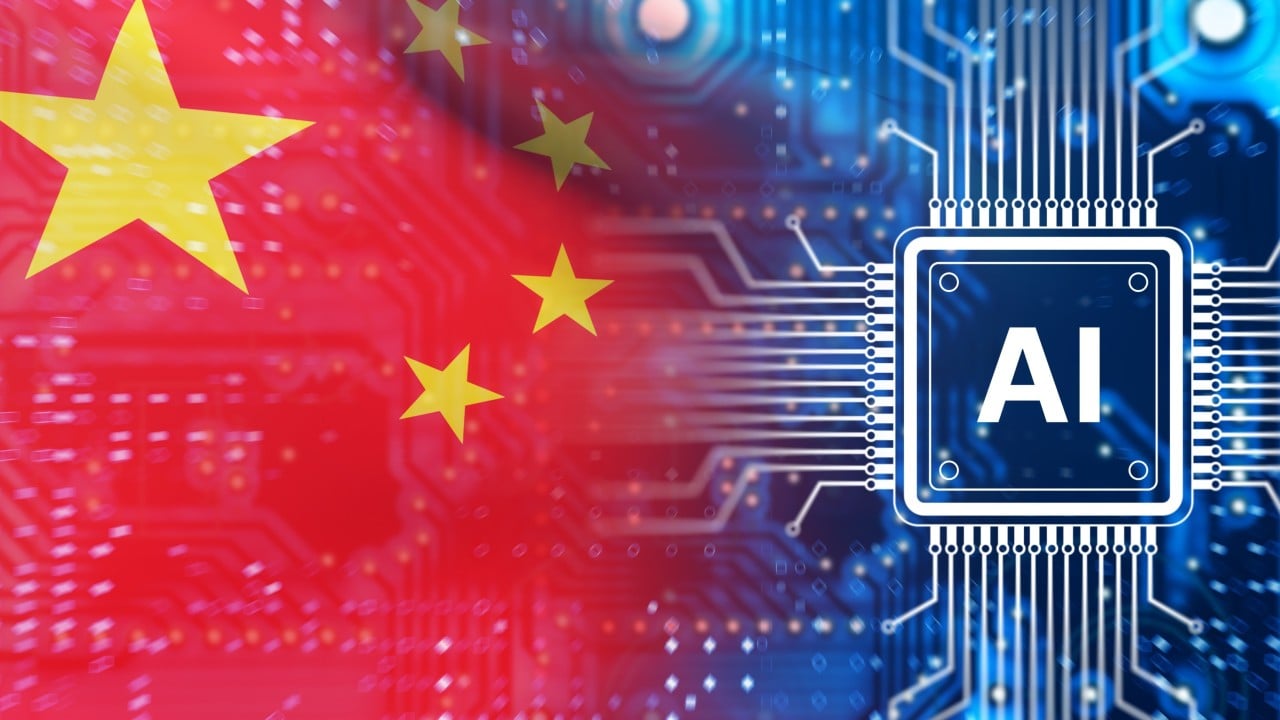
People’s Daily rejects US claims of malicious AI distillation, warns of countermeasures

Databricks to Invest Over US$350 Million in Singapore, Double Its Workforce

Personetics Launches AI Banking Console for Relationship Managers

Anthropic Sets October Launch for Singapore Office With Local Hiring Planned
Huawei unveils new optical tech standard in challenge to Nvidia, Broadcom