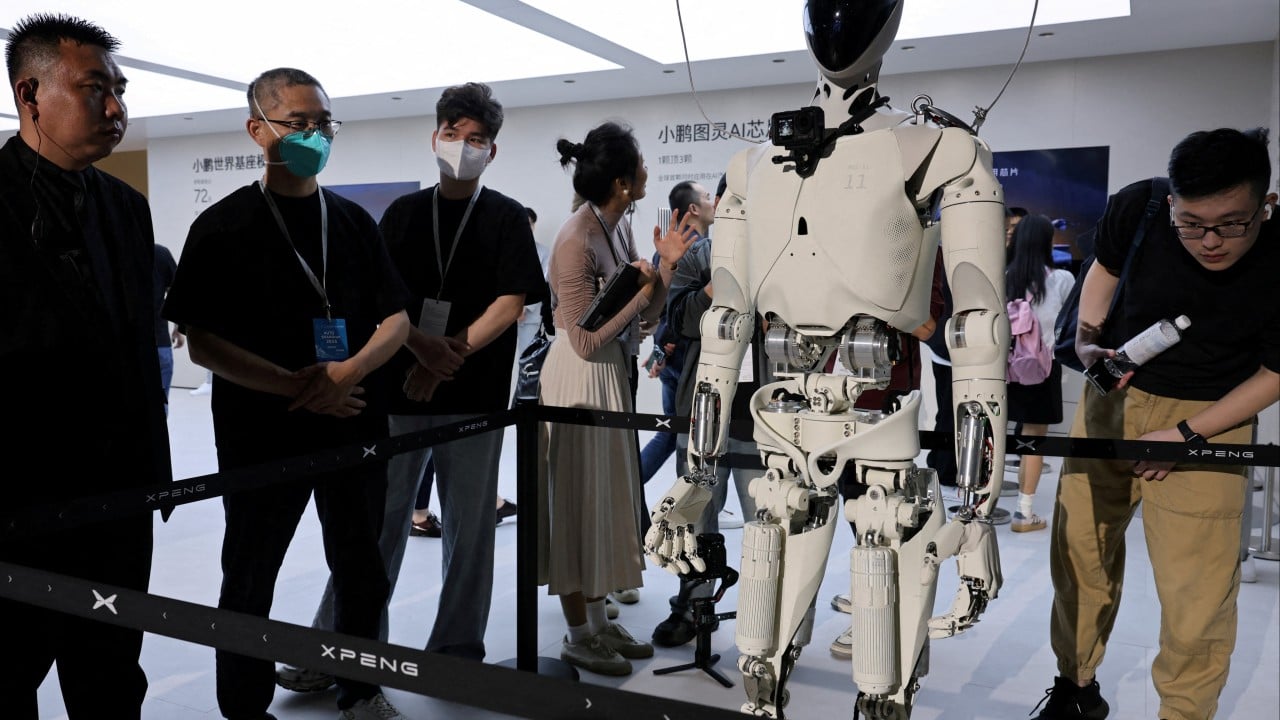
From Smart EVs to autonomous vehicles: XPENG positions Robotaxi as a key milestone in bringing Physical AI to the real world
XPENG has initiated employee testing for its Robotaxi platform, marking a significant step in the company's evolution from intelligent electric vehicles to autonomous vehicles powered by Physical AI. This program commences merely eight months after a prior announcement, underscoring the rapid pace of development in the autonomous driving sector. The move positions Robotaxi as a crucial milestone in integrating Physical AI into real-world applications. This development highlights XPENG's commitment to advancing self-driving technology and expanding its influence beyond traditional EV manufacturing. The testing phase is critical for refining the technology and preparing it for broader deployment.
XPENG's launch of employee testing for its Robotaxi platform signals a pivotal moment for Asia's autonomous vehicle sector and the broader tech ecosystem. This initiative underscores the aggressive push by Chinese EV manufacturers to not only dominate the electric vehicle market but also to lead in advanced autonomous driving solutions. The focus on "Physical AI" suggests a deeper integration of AI beyond software, into the physical mechanics and real-world interaction of vehicles, which could set new industry standards for safety and efficiency. This development is likely to intensify competition among regional players like Baidu, Huawei, and other startups vying for leadership in the robotaxi space, driving further innovation and investment in AI and sensor technologies.
Furthermore, XPENG's rapid progress, with testing beginning just eight months after a previous announcement, highlights the accelerated development cycles characteristic of the Chinese tech industry. This speed could enable China to establish a significant lead in deploying autonomous vehicle services, impacting urban planning, logistics, and public transportation across Asia. The successful deployment of robotaxis could also create new business models and revenue streams for companies, while simultaneously addressing challenges such as traffic congestion and carbon emissions in densely populated Asian cities. This move by XPENG is a strong indicator of the future direction of mobility in the region, emphasizing AI-driven autonomy as a core component.