From Humanoid Robots to Telecom Trials, 12 Major Announcements at NVIDIA GTC Berlin 2026
NVIDIA announced agreements to expand its manufacturing capacity for substrates, advanced packaging, and semiconductor testing. Targets include a 2.5x increase in substrate capacity over three years and a 300% rise in advanced packaging by the end of 2028. The company also introduced new AI factory designs and reported AI-RAN trials with T-Mobile and Elisa.
NVIDIA's announced agreements with suppliers such as IBIDEN, Samsung Electro-Mechanics, Unimicron Technology, Amkor, and King Yuan Electronics directly address critical manufacturing constraints in the AI infrastructure buildout. These expansions, including a planned 2.5x increase in substrate capacity over three years and a 300% rise in advanced packaging capacity by the end of 2028, aim to alleviate bottlenecks across key semiconductor production stages. This proactive strategy reflects the high demand for AI-related hardware and the recognition that scaling production is as crucial as technological innovation.
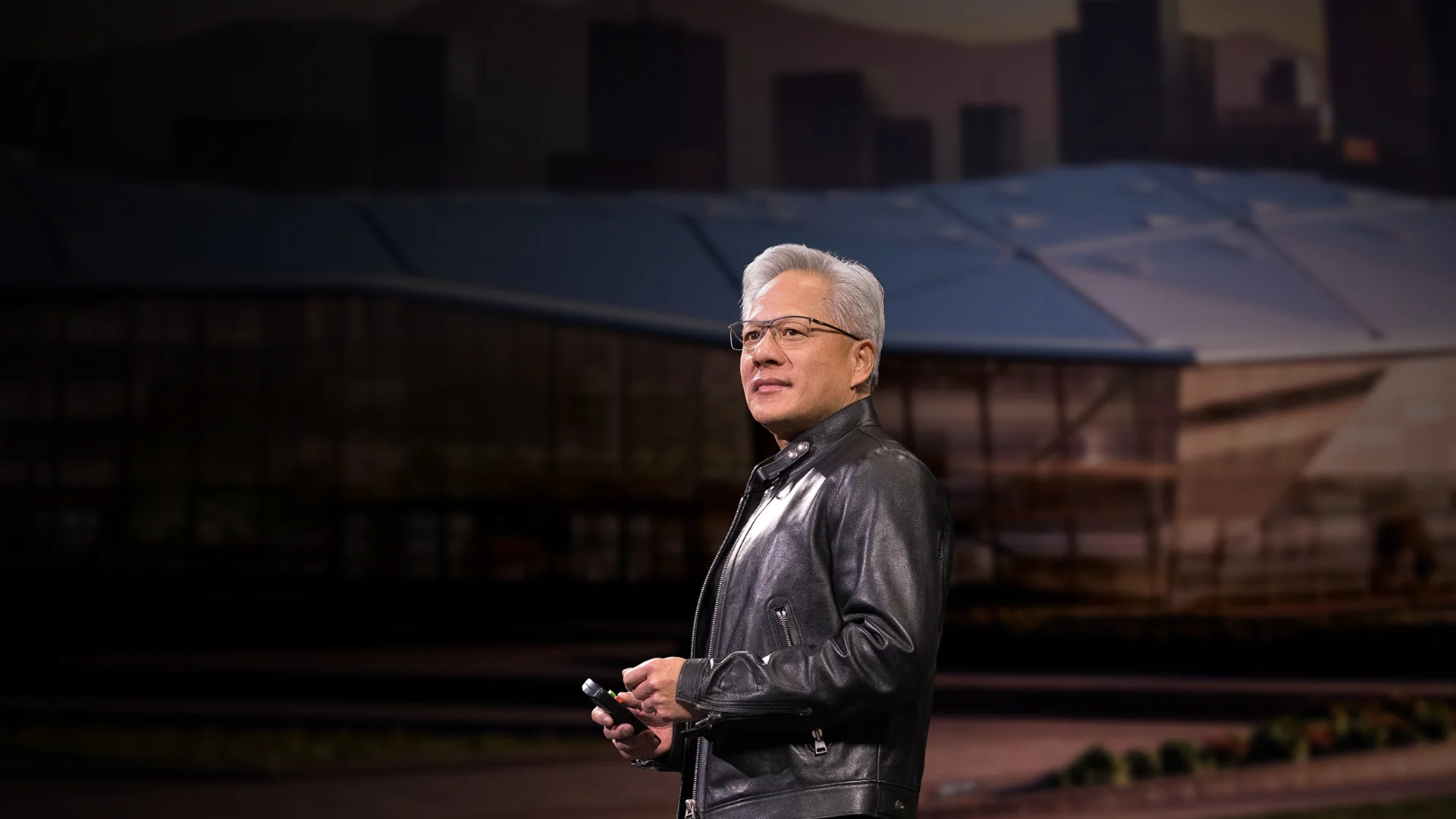
The introduction of DSX POD and the DSX AI Factory platform, featuring modular AI factories and infrastructure efficiency designs, points to a strategy focused on rapid deployment and operational cost reduction. Jensen Huang's statement that "An AI factory creates value when it starts producing tokens, not when construction is complete" underscores the drive to minimize time-to-value for AI deployments. Innovations like DSX MaxLPS for power efficiency and a new cooling design for water conservation suggest an awareness of the environmental and economic pressures associated with large-scale AI operations, with estimates of significant water savings.
The successful AI-RAN trials with T-Mobile in the United States and Elisa in Europe demonstrate NVIDIA's push into integrating AI computing directly into telecom infrastructure. Running AI workloads on live commercial networks, alongside voice and mobile data, could enable more intelligent and efficient network management. This development could accelerate the adoption of AI within telecommunications, potentially leading to new services and optimized network performance by combining AI computing with radio access network infrastructure.
Share this article
Related reading
6 stories
Nvidia Becomes Key Buyer of Samsung Electro-Mechanics Substrates
NVIDIA's supplier agreements directly address the AI infrastructure buildout, a topic we've covered previously.

ASUS Unveils Enterprise Agentic AI Solution and Full-Stack Agent Computer at NVIDIA GTC Berlin 2026
This article details other major announcements from the same NVIDIA GTC Berlin 2026 event.

Tesla signs deal to integrate Alipay into its cars as China competition heats up

Foursquare co-founder says equity holders saw no returns from the company’s acquisition

You can soon access OpenAI's AI models on Google Cloud