Fortified against yesterday’s war
The Philippines ranks 43rd out of 47 economies globally in an index measuring readiness to profit from artificial intelligence. Its score is 21 out of 100. This places the Philippines among the lower-tier performers in the ASEAN bloc, though not significantly worse than regional peers like Thailand (27), Vietnam (25), or Indonesia (23). The Association of Southeast Asian Nations as a whole is not a leading region in the global AI boom, with most member states showing similar low scores. This data points to a broader regional challenge in AI preparedness.
The Philippines' low AI readiness score of 21 out of 100, placing it 43rd globally, reflects a broader trend across ASEAN. While the headline might suggest a unique Philippine problem, the reality is that major Southeast Asian economies like Thailand, Vietnam, and Indonesia also score poorly, all in the 20s. This suggests a systemic regional challenge in AI infrastructure, talent, and policy, rather than an isolated issue for one nation. For Asian tech professionals, this means the region is still in the early stages of AI adoption and development. The opportunity lies in foundational investments in data infrastructure, AI education, and regulatory frameworks that can foster innovation. Without concerted efforts, ASEAN risks falling further behind global leaders, impacting its long-term economic competitiveness and ability to attract advanced tech investments. The thing to watch is whether governments will move beyond general statements to implement specific, measurable AI development plans.
Share this article
Related reading
6 stories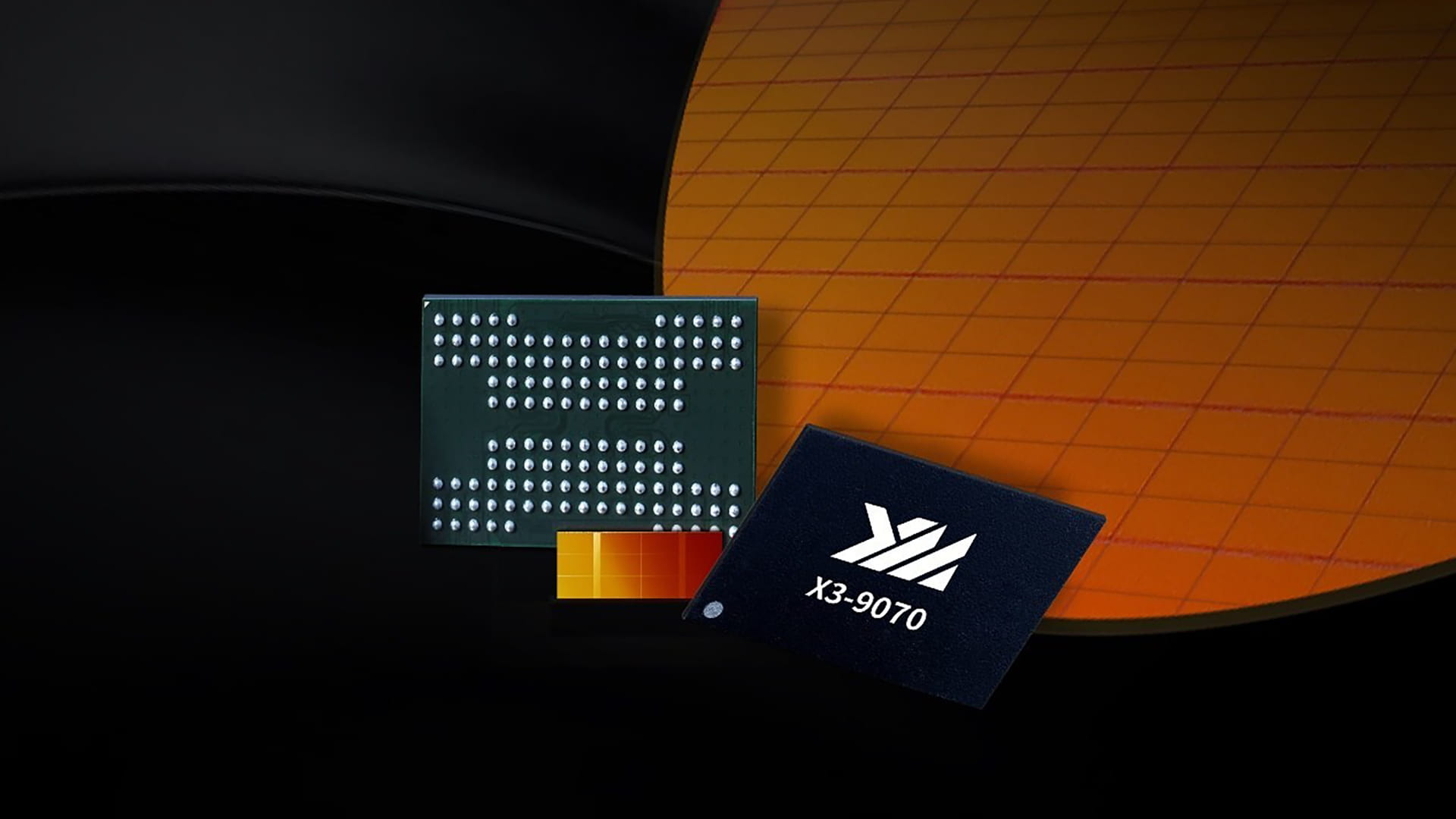
YMTC parent seeks USD 4.9 billion Shanghai IPO on AI memory boom
The region's AI readiness hinges on foundational investments, including advanced memory chips like those YMTC is pursuing.

Canva releases its first image generation model

Nirva raises $33M for a pendant that only listens to you

Cybersecurity Alert: AI Finds PHP Flaws, eMudhra Faces Certificate Concerns

Volkswagen’s Jetta M6 EV launched in China with up to 555 km range, starting at 11,900 USD