Fashion's AI era: face swaps and digital clones
Fashion brands are reportedly seeking broad rights in model contracts to use AI for image manipulation, including face swaps, digital clones, and training AI, according to Reuters interviews with agency directors and a review of confidential agreements. This shift aims to cut image production costs by 90% or more compared to traditional photo shoots.
The fashion industry is increasingly exploring AI to generate lifelike model images for retail websites, a move driven by the potential for significant cost reductions. Brands like Diesel, Calvin Klein, and L'Oreal have reportedly included clauses in contracts that would allow for AI-driven alterations such as swapping a model's face, creating a digital clone without additional compensation, or using a model's body to train AI systems. These terms suggest an effort to maximize the utility of initial modeling work, enabling endless repurposing of images at a fraction of the cost of new shoots.
This technological shift poses a substantial threat to the traditional modeling industry. Models like Adot Gak highlight the risk of job displacement, particularly in e-commerce, which relies on constantly updated collections. Modeling agencies are already experiencing declining bookings, and photo studios are closing. The lack of clear regulation concerning digital twins means models face the prospect of their images being replicated or replaced by entirely synthetic models without fair compensation, raising existential concerns for their livelihoods.
While some fast-fashion retailers, such as Mango, have already deployed AI-generated models at scale, high-end brands appear to be proceeding with more caution. Moncler stated it does not currently use AI models, despite an earlier experiment, and Gucci faced controversy for an AI-generated Instagram campaign. Furthermore, some brands mentioned in the reporting, such as Diesel and Reale Actives, have stated that the extensive AI clauses in their contracts were for specific campaigns or were not representative of their typical agreements, or that they do not systematically modify models with AI, indicating a varied and evolving landscape of adoption and contractual practice.
Share this article
Related reading
6 stories
CityUHK survey: rising willingness to use AI in Hong Kong, but over half remain concerned about job displacement; Doctor-led medical decisions remain preferred
Our survey found Hong Kong residents are increasingly willing to use AI, but many still worry about job displacement.

For Sale: A Rare 1971 Isuzu Bellett 1800 GT – The First Japanese “GT”
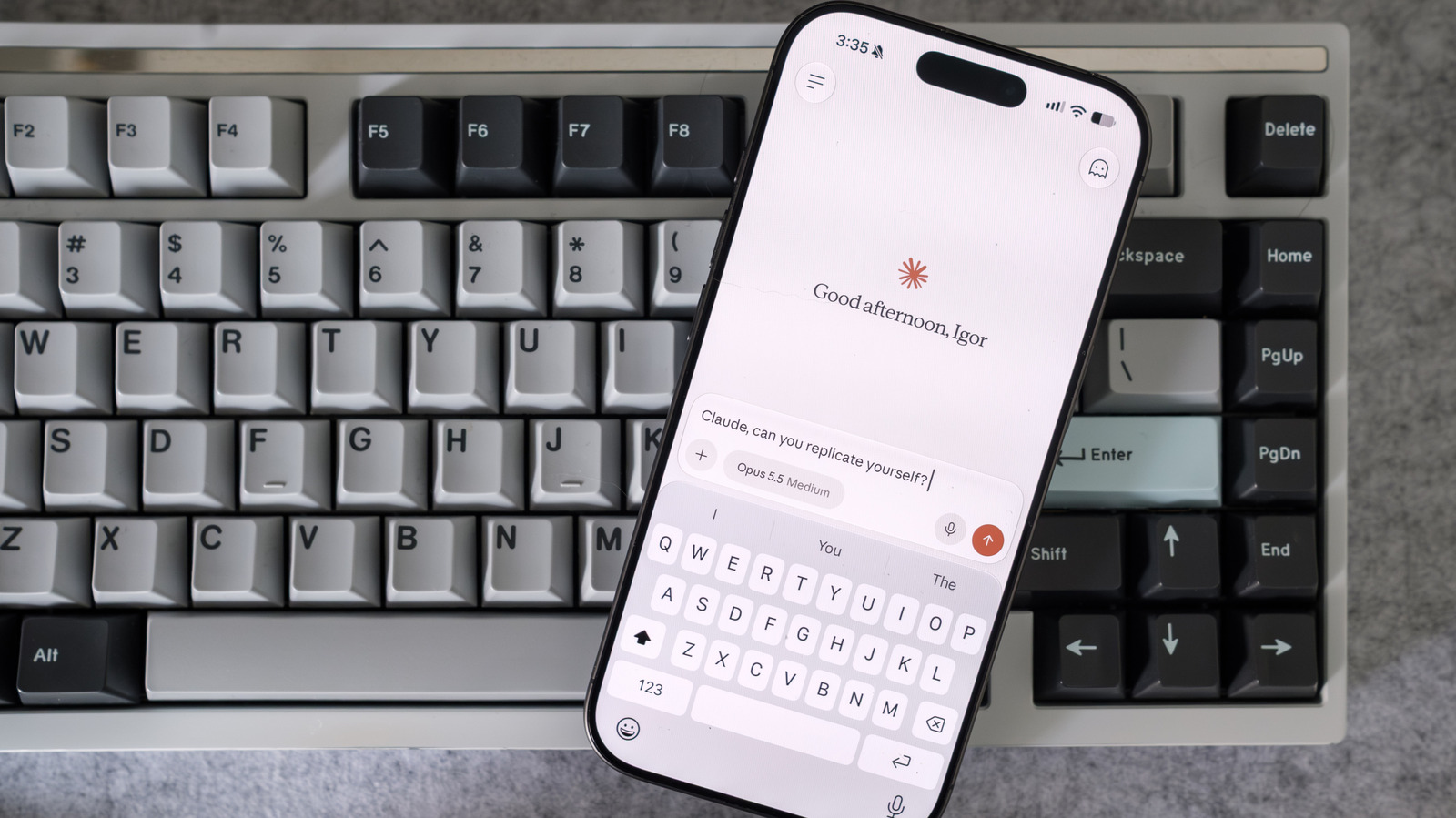
What happens when AI starts self-replicating?

Troubleshoot etcd Clusters Easily with Ivory

My first cognee connector: syncing Basecamp into an AI agent's memory