Elon Musk’s SpaceX began its first day as a public company on Wall Street Friday after the biggest initial public offering in history, with the polarizing entrepreneur promising he will take humanity to Mars. The blockbuster operation, which raised more than $75 billion, is expected to make Musk the world’s first trillionaire and kick off a series of major IPOs by AI companies in the coming months. The first trades — and the level of demand — were expected to be confirmed shortly after the openi
Elon Musk’s SpaceX made its debut as a public company on Wall Street, following the largest initial public offering in history. The blockbuster IPO, which successfully raised over US$75 billion, is anticipated to elevate Musk to the status of the world’s first trillionaire. This significant event is also expected to catalyze a series of major IPOs from artificial intelligence companies in the coming months. The initial trading activity and the overall demand for SpaceX shares were slated for confirmation shortly after the market opened, marking a pivotal moment for both the company and the broader tech investment landscape.
SpaceX’s monumental IPO and its potential to create the world’s first trillionaire in Elon Musk carries significant implications for Asia’s tech ecosystem. The sheer scale of this fundraising, coupled with Musk’s ambitious vision for space exploration, could inspire a new wave of deep tech investments across the region. Asian venture capitalists and institutional investors, already keen on frontier technologies, might see this as a validation of long-term, capital-intensive ventures, potentially shifting focus towards space tech, advanced manufacturing, and other high-risk, high-reward sectors. This could also spur greater government and private sector collaboration in space-related initiatives within countries like China, India, and Japan, which are actively pursuing their own space programs.
Furthermore, the article highlights an anticipated cascade of AI company IPOs in the wake of SpaceX’s success. This trend is particularly relevant for Asia, a region at the forefront of AI innovation and adoption. A robust pipeline of AI public offerings could provide crucial liquidity for Asian AI startups, attracting more foreign investment and fostering a more mature ecosystem for AI development and commercialization. It also signals a growing investor appetite for AI-driven enterprises, encouraging more Asian tech companies to accelerate their path to market and public listing, thereby deepening the region’s integration into the global tech economy.
Related reading
6 stories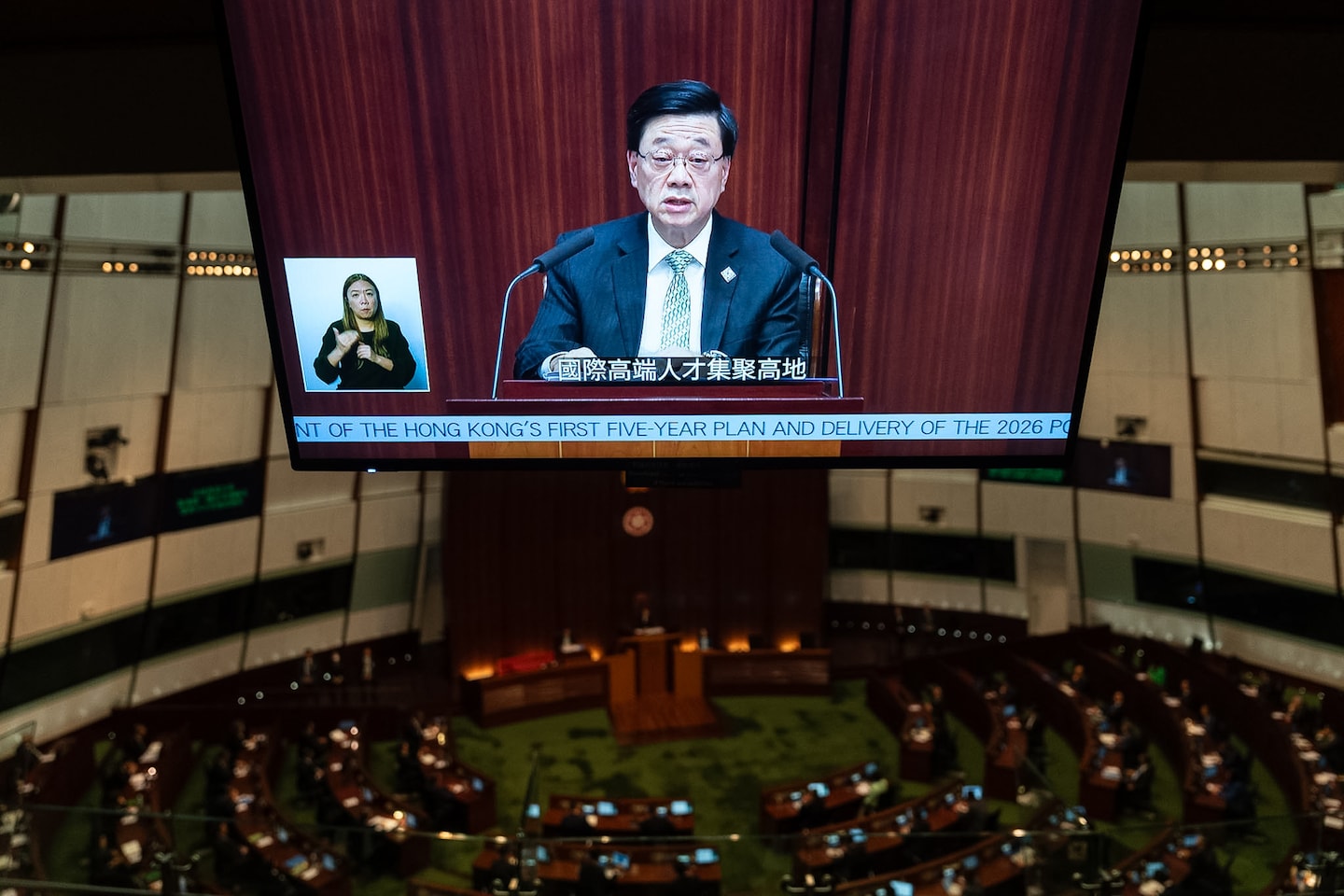
Hong Kong's first five-year plan bets on AI skills: from kindergartens to the workforce
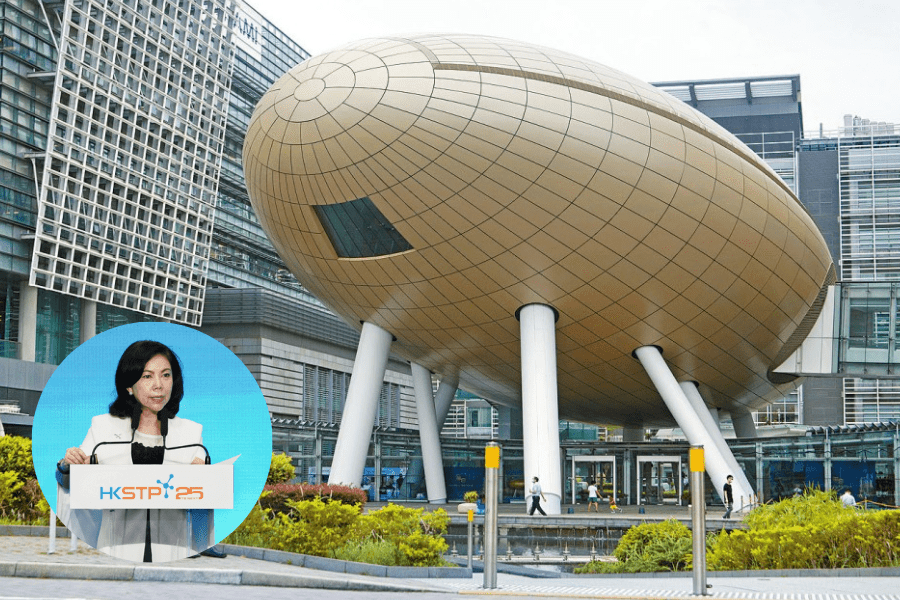
HKSTP pledges full support for Five-Year Plan and Policy Address to steer I&T growth

NWD fully supports govt's PA and Five-year Plan with confidence in Northern Metropolis

Delhi HC Asks Centre If It Plans Policy To Regulate ‘Addictive’ Social Media Features

Cyber Force as fourth Malaysian military service by 2030, says Armed Forces chief