Chinese and Dutch scientists turn corn to sustainable plastic, inspired by spider silk
Scientists from China and the Netherlands have successfully developed a novel bioplastic derived from corn protein, drawing inspiration from the natural properties of spider silk. This innovative material offers a promising sustainable alternative to traditional fossil fuel-based plastics, addressing a critical need for environmentally friendly solutions in manufacturing and packaging. The research team highlighted that while plant-derived biopolymers have long been considered potential substitutes, their widespread adoption has been hindered by limitations in material performance. This new development, detailed in a paper published in Nature Communications, signifies a significant step forward in overcoming those challenges and paving the way for more sustainable industrial practices.
This collaborative research between Chinese and Dutch scientists on corn-based bioplastics has significant implications for Asia’s tech ecosystem and market dynamics. Asia, a major manufacturing hub and consumer market, faces immense pressure to adopt sustainable practices and reduce its reliance on fossil fuels. The development of a high-performance, plant-derived biopolymer offers a tangible pathway for Asian industries, particularly in packaging, textiles, and consumer goods, to transition towards more environmentally friendly materials. This innovation could spur further investment in bio-material research and development across the region, fostering a new wave of green tech startups and driving demand for sustainable supply chains.
Furthermore, the collaboration itself underscores a growing trend of international scientific partnerships aimed at tackling global challenges. For China, a leader in both agricultural production and technological advancement, this research reinforces its position in sustainable innovation. The ability to leverage agricultural waste or readily available crops like corn for advanced materials aligns with national strategies for circular economies and resource efficiency. This could lead to new export opportunities for sustainable materials and technologies, positioning Asian countries at the forefront of the global green economy.
Related reading
6 stories
China’s rocket boom turns Hainan into a space hub. Can launches fuel wider growth?

China’s Z.ai raises revenue target 25% after US$5 billion cash injection
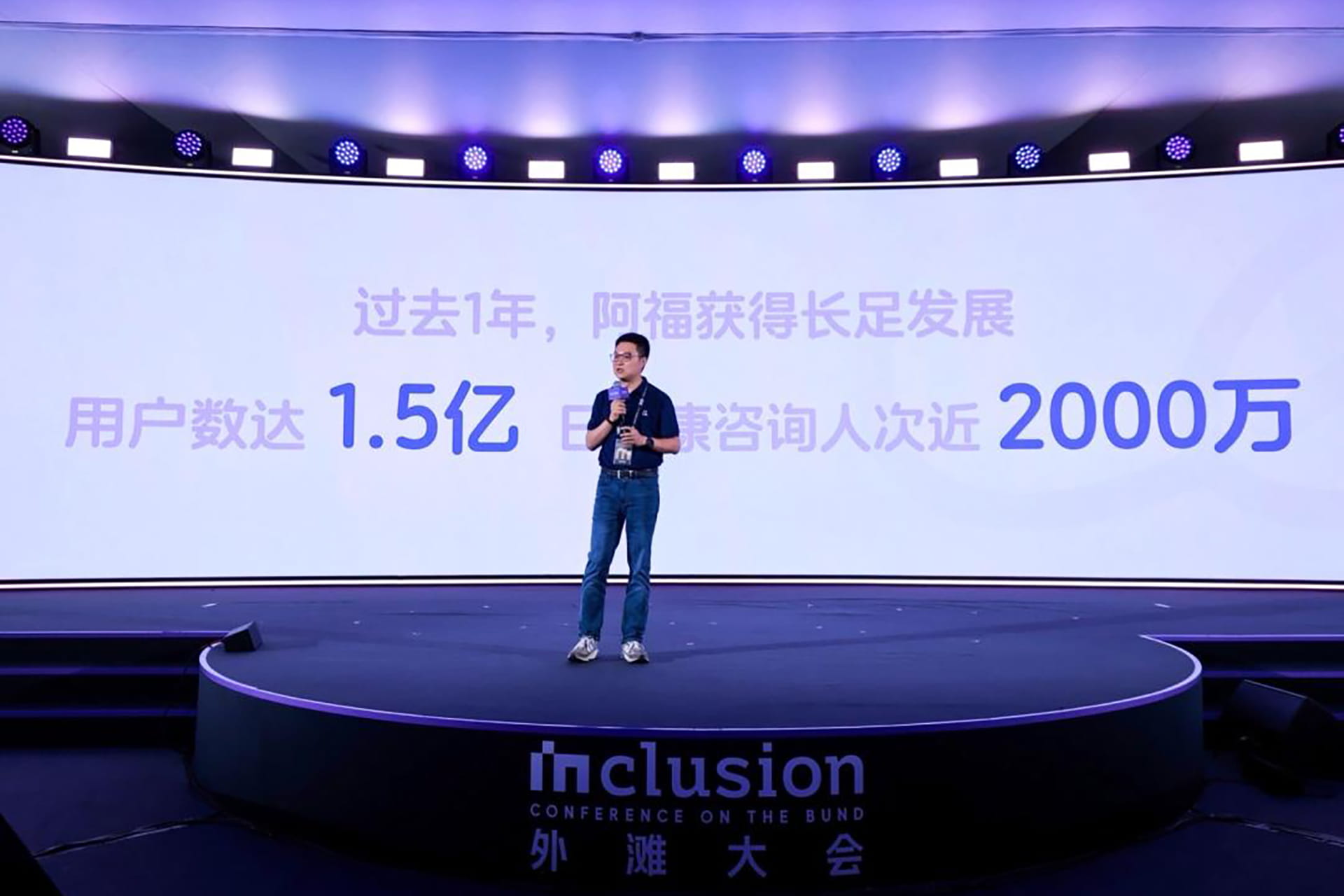
Ant’s AQ expands beyond weight loss as health app reaches 150 million users

Kimi creator Moonshot draws global funds seeking ‘top-tier’ Chinese AI developers: sources

Gongzhi Marine closes three funding rounds as deep sea robot demand grows