China’s DeepSeek open-sources tools to help Huawei chips supplant Nvidia in AI
DeepSeek, a Hangzhou-based AI model developer, has open-sourced six software modules designed for Huawei’s Ascend AI chips. These tools mirror DeepSeek's existing offerings for Nvidia GPUs, aiming to establish an "independent" software ecosystem for AI processors, according to a WeChat post from the company.
DeepSeek's release includes an Ascend-compatible version of TileLang, a custom programming language. TileLang is designed to optimize the development of high-performance kernels, which are crucial computation programs for GPUs and CPUs. This move expands TileLang's support beyond its primary Nvidia backend to officially include Huawei’s Ascend 950 accelerators.
The open-sourcing of these tools, particularly TileLang, addresses a critical aspect of chip independence. While hardware like Huawei's Ascend chips can be manufactured, their utility in advanced AI applications relies heavily on a robust and accessible software stack. Developing such a stack from scratch is a significant undertaking, requiring extensive engineering and developer adoption.
By providing tools that offer "native code generation, automatic scheduling, and synchronisation" for Ascend chips, DeepSeek is attempting to lower the barrier for developers to build and optimize AI models on Huawei's hardware. This initiative could foster a developer community around Ascend, which is essential for the long-term viability and competitiveness of any chip architecture, especially one seeking to challenge an established leader like Nvidia in its software ecosystem.
Share this article
Related reading
6 stories
Nvidia and AMD chiefs join Tsinghua advisory board as US-China chip tensions persist
This move by DeepSeek highlights the ongoing US-China chip tensions, a topic we explored with Nvidia and AMD's Tsinghua ties.

Chinese firms trail global peers on profits, but AI power boom offers bright spot: Natixis
The article underscores the AI power boom's bright spot for Chinese firms, a trend Natixis also identified in our previous coverage.
Sri Lanka’s Union Bank Upgrades Legacy Credit Card System With BPC
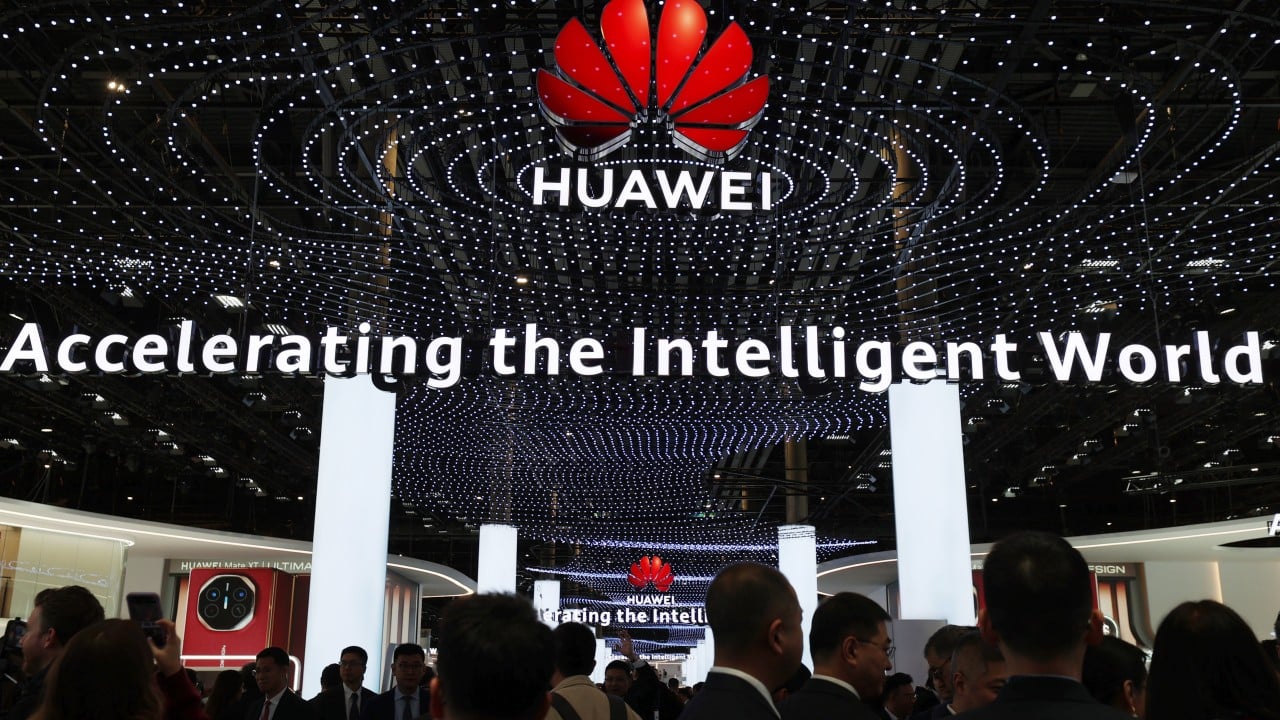
Huawei, Qualcomm strike multi-year patent agreement across 5G, AI

A Chatbot Almost Started a War With China. The Scariest Part Wasn’t the AI’s Mistake