
China’s AI talent race sends pay soaring, even for interns
The scramble for AI talent in China has driven compensation packages to unprecedented levels, even for interns, according to 36Kr reporting. Annual pay for algorithm researchers has reportedly tripled, with some elite new graduates securing packages of RMB 5 million or more, while doctoral interns can earn RMB 5,000–6,000 daily.
The intense competition for AI talent in China reflects a deeper struggle for proprietary knowledge, or "recipes," in model training. Unlike the internet era, where entrepreneurial experience was widespread, the specialized knowledge required for large-scale foundation model training is concentrated in a very small pool of researchers. These individuals hold insights into design choices, data mixes, and training methodologies that are difficult to document or patent, making their movement between companies a direct transfer of critical, hard-won expertise.
This dynamic has led companies to adopt unorthodox recruitment and retention strategies. Beyond soaring salaries and equity incentives, firms are offering authority, university affiliations, and even systematically targeting rivals' key personnel with offers to join or start new ventures. ByteDance, for instance, increased bonuses and adjusted salary caps, while Tencent hired a young OpenAI researcher to overhaul its Hunyuan operation, demonstrating a willingness to disrupt internal structures to attract top talent.
However, the focus of talent demand is shifting. While algorithm specialists were once paramount, their recruitment is slowing as major companies fill core teams. The new priority is for roles that turn models into revenue-generating applications, such as forward-deployed engineers and AI agent product developers. This indicates a market maturation where the emphasis moves from foundational model development to practical deployment and commercialization, potentially altering the long-term career prospects for AI researchers.
The escalating costs of AI infrastructure, with major Chinese tech companies spending billions on computing resources, also suggest that the current, near-limitless spending on researchers may not be sustainable indefinitely. Companies are becoming more selective, narrowing their hiring to candidates with direct experience on the strongest models and teams. This trend points to a future where access to elite academic institutions and frontier projects becomes an even more critical differentiator for aspiring AI professionals.
Share this article
Related reading
6 stories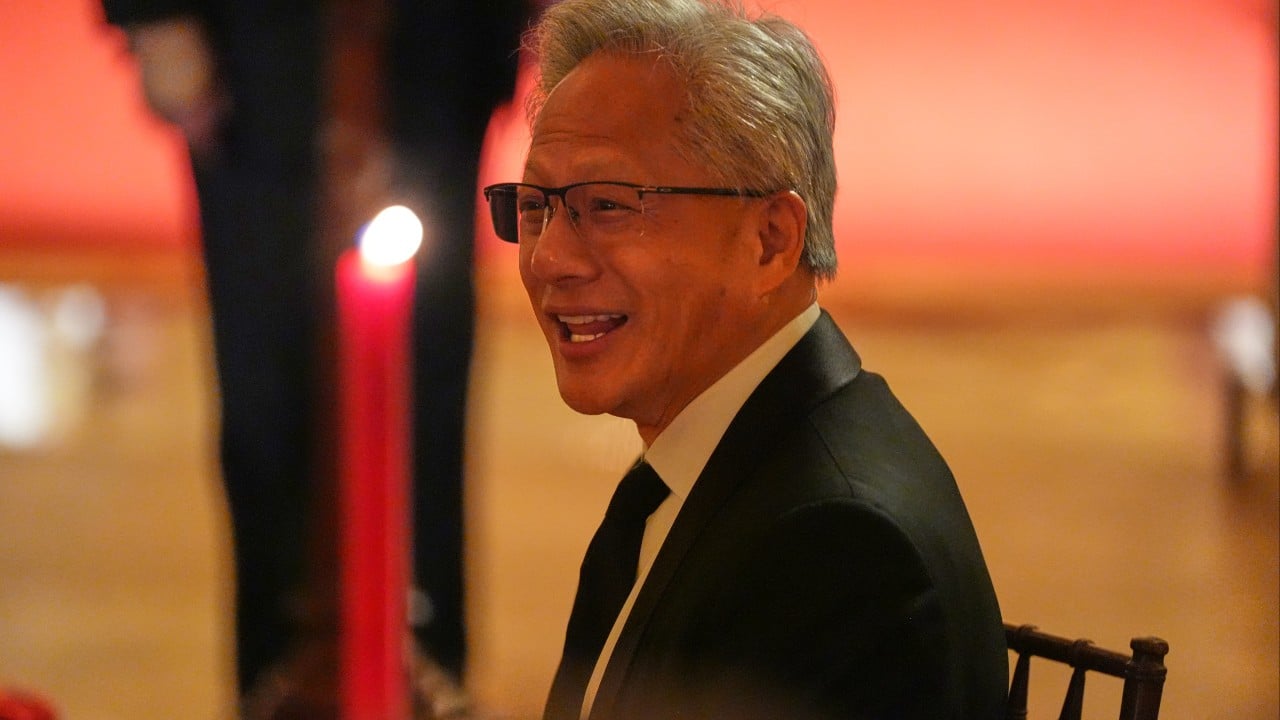
Nvidia and AMD chiefs join Tsinghua advisory board as US-China chip tensions persist
The intense competition for AI talent in China is also reflected in the strategic appointments of chip industry leaders.
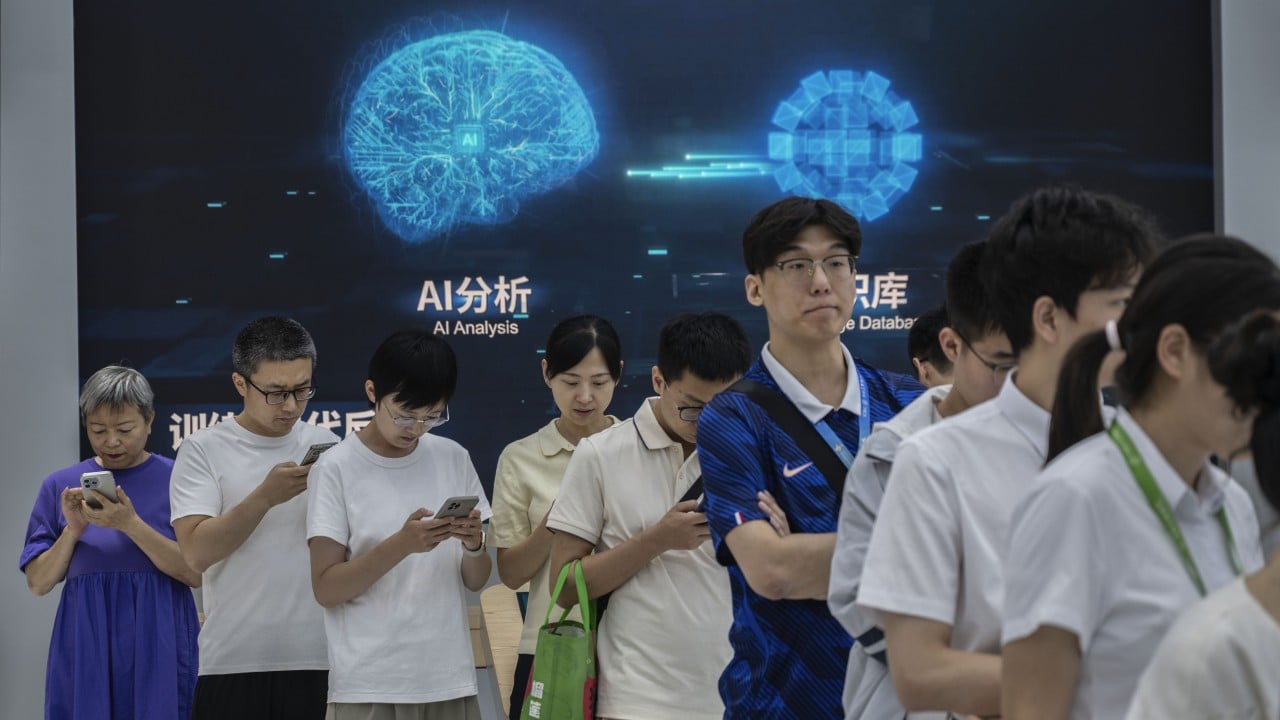
China’s generative AI user base crosses 700 million, covering over half the population
China's massive generative AI user base underscores the demand driving the fierce competition for AI talent.

HackerRank’s AI interviewer offers a glimpse into what job interviews could become

Business News | The Next Search Frontier: How Ripplix Is Helping Brands Navigate AI Discovery
