China thinks big on brain-computer interfaces after world-first surgery
Chinese surgeons recently completed the world’s first commercial surgery to implant an invasive brain-computer interface (BCI) device. The procedure was performed on a patient with a spinal cord injury, marking a significant step in neurotechnology development. This milestone positions China as a key competitor to US companies like Neuralink in the BCI race. Following the surgery, state-owned PICC Property and Casualty launched the world’s first commercial insurance policy specifically covering BCI implantation surgery, indicating a growing commercialization and regulatory framework for the technology in China.
China's first commercial BCI surgery, performed last month, is a concrete step in the global neurotechnology race. This is not just a medical breakthrough; it is a clear statement of intent from Beijing to lead in a critical emerging technology. The subsequent launch of a BCI insurance policy by state-owned PICC Property and Casualty shows a rapid move from clinical trial to commercial readiness and regulatory support within China. Our view is that this dual development points to a state-backed push to integrate BCI technology into the healthcare system, potentially creating a significant domestic market. The thing to watch is how quickly this commercialization scales and whether it leads to broader adoption across Asia. While the US has prominent private players like Neuralink, China's state-backed approach could accelerate development and deployment, especially in areas with high medical need.
Related reading
6 stories
China Life’s revenue surges as top insurer ramps up investment in AI, chips and biotech
China Life's investment in biotech and AI shows how state-backed insurers are integrating emerging tech.
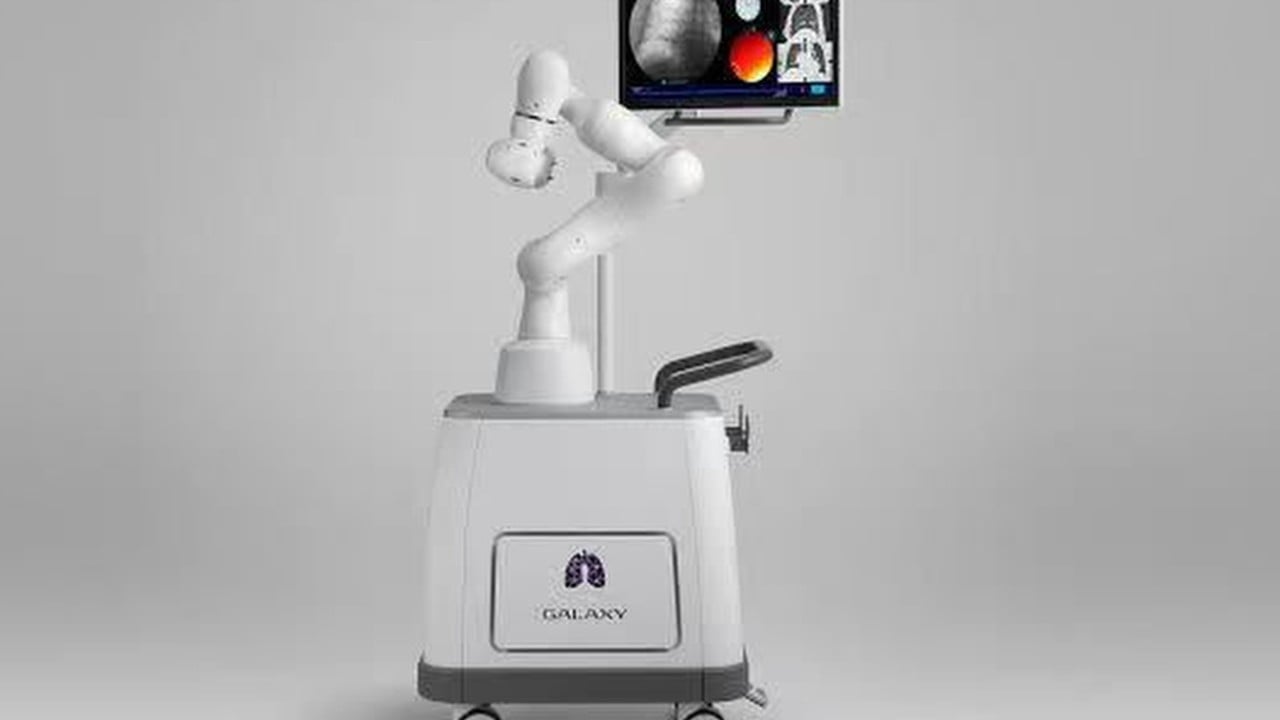
SoftBank-backed surgical robotics firm eyes Hong Kong listing to power mainland China push
This surgical robotics firm's mainland China push highlights the broader medical technology landscape.
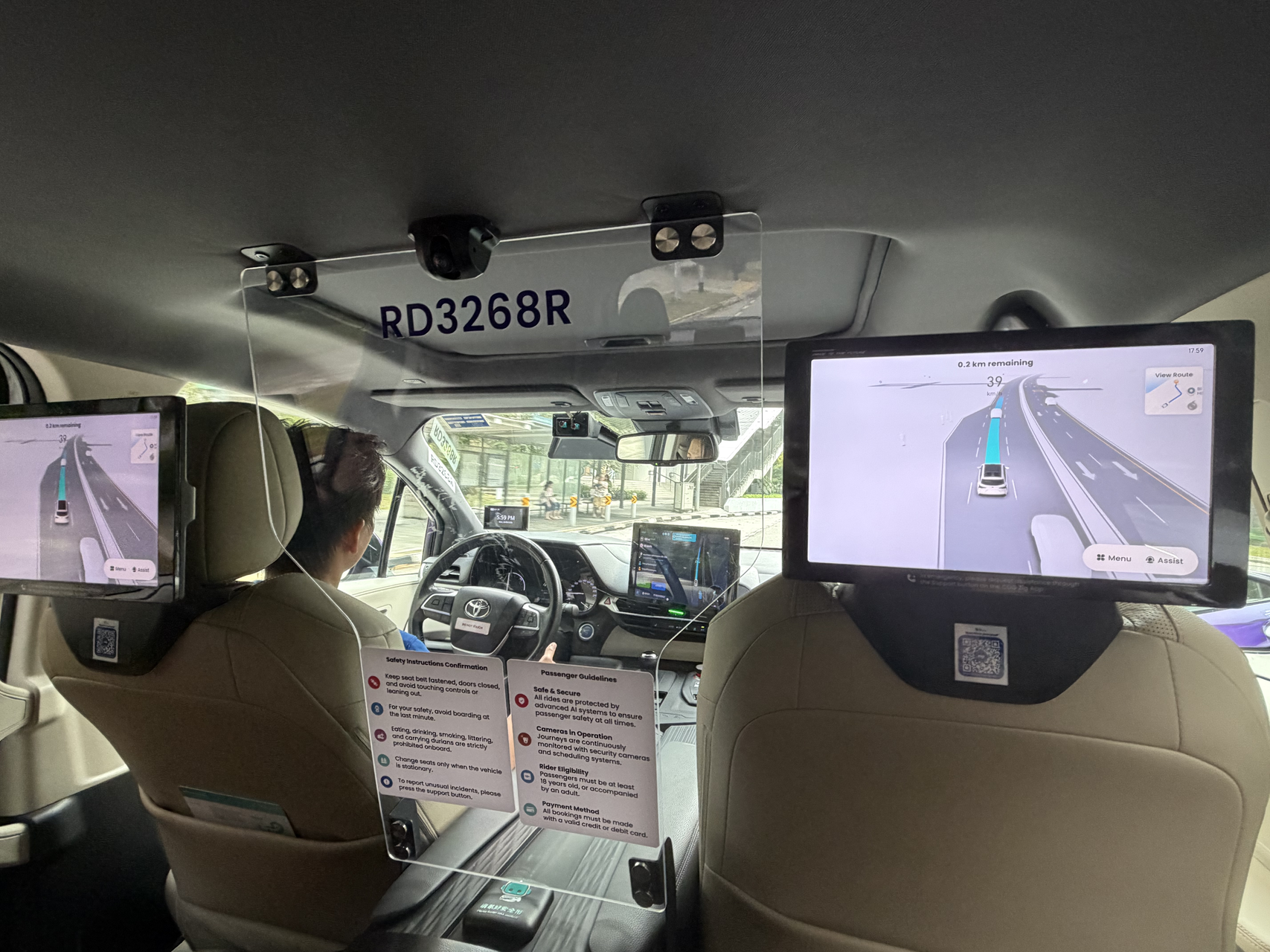
If driverless cars already work, why aren’t they everywhere?
People’s Daily rejects US claims of malicious AI distillation, warns of countermeasures
Sumsub Launches Workforce Verification as Deepfake Risks Grow