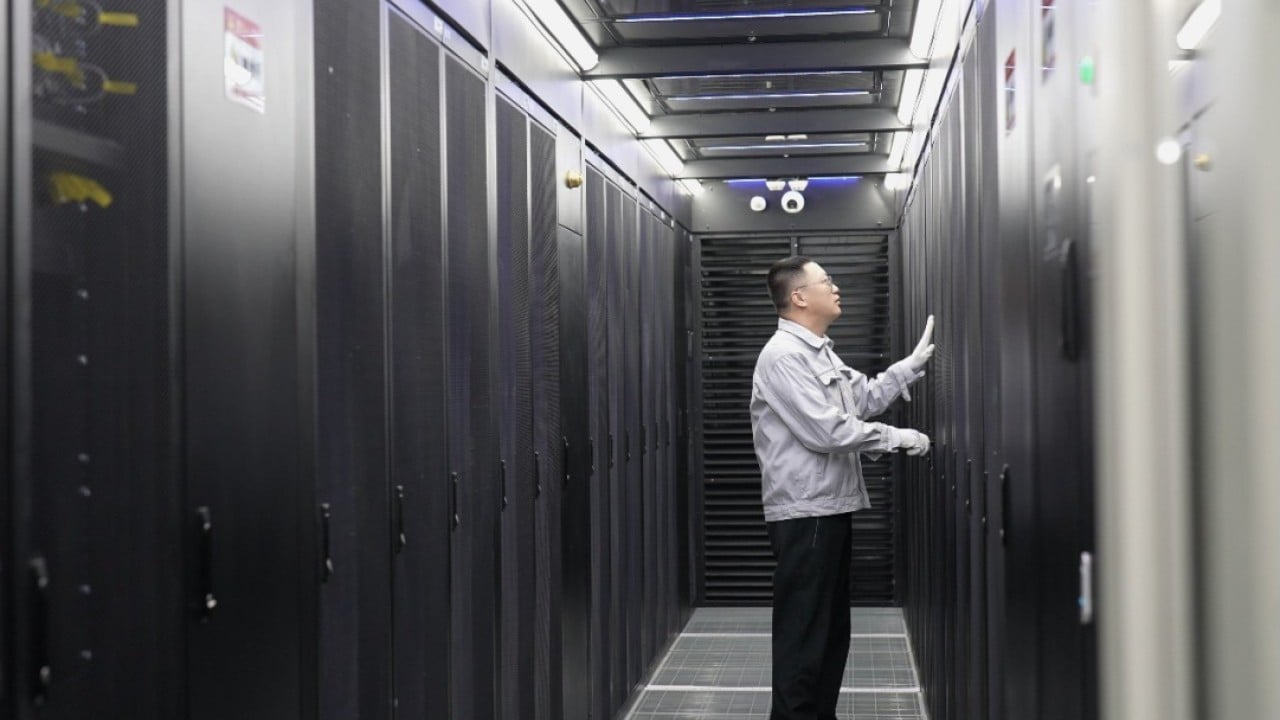
China, EU deal could cut Chinese hybrid car exports by over half
China and the European Union have reached a "shared understanding" that could cut Chinese exports of hybrid and plug-in hybrid cars to the EU by over half, potentially reducing imports by several million cars over four years. European Trade Commissioner Maros Sefcovic stated this agreement aims to address the EU's widening trade deficit with Beijing, which last year exceeded one billion euros daily.
The agreement between China and the EU specifically targets a moderation of Chinese hybrid and plug-in hybrid vehicle exports to the European bloc. While the exact method of implementation was not detailed by European Trade Commissioner Maros Sefcovic, the intention is to significantly reduce these imports. This initiative directly responds to the EU's concerns over its increasing trade deficit with China, particularly given that plug-in hybrid imports from China rose 86 percent in the year to September, with prices falling 20 percent.
Beyond the automotive sector, the understanding also includes provisions to enhance EU products' access to Chinese markets and to streamline China's export licensing for rare earths and permanent magnets. This broader scope indicates an effort to rebalance the trade relationship across various sectors, acknowledging long-standing disputes that have extended from electric vehicles to other goods, including brandy, pork, and critical minerals.
Discussions are set to continue on price undertakings and review procedures related to the EU's anti-subsidy investigation into Chinese electric vehicles. This ongoing scrutiny, which dates back to 2024, suggests that despite the current agreement on hybrids, fundamental trade tensions and concerns over Chinese manufacturing subsidies persist. The next consultation meeting is scheduled for March 2027, indicating a phased approach to addressing these complex trade issues.
Share this article
Related reading
6 stories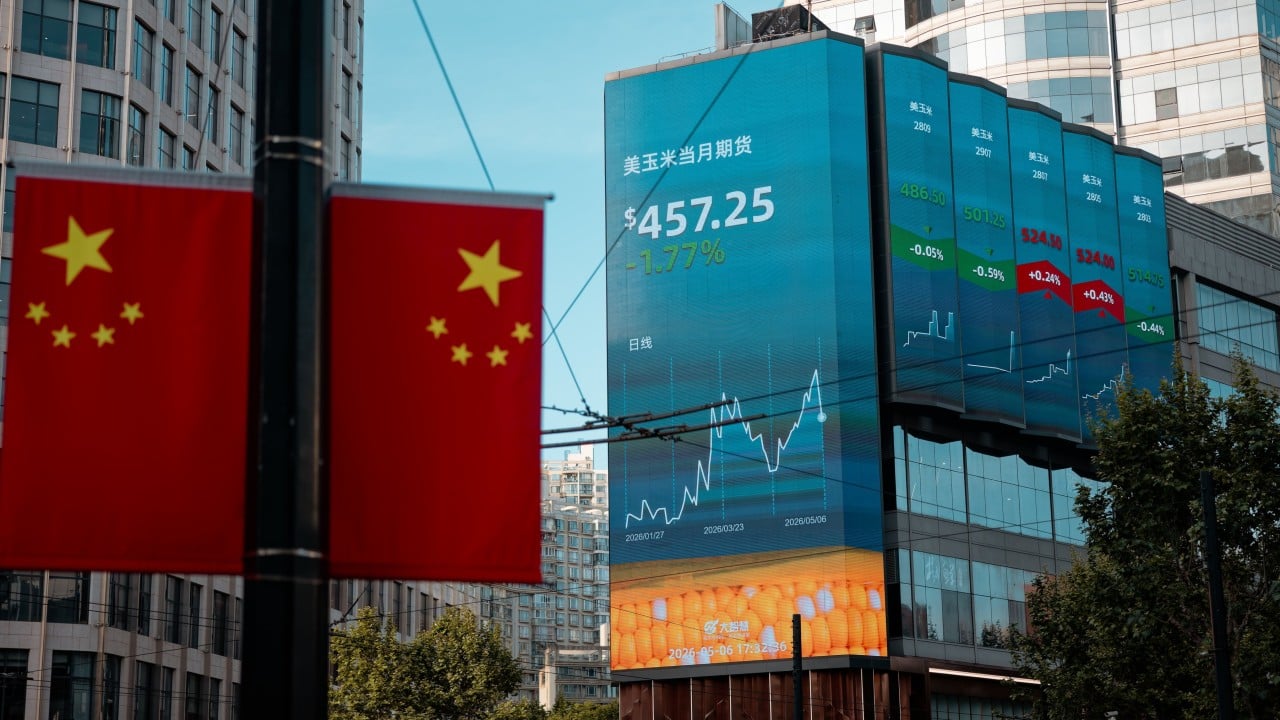
Beijing moves to steady A-share market after sharp tech sell-off
Beijing's efforts to stabilise its A-share market after a tech sell-off offer context to broader economic policies.

Mastercard Expands APAC Dining Programme to 1,300 Restaurants
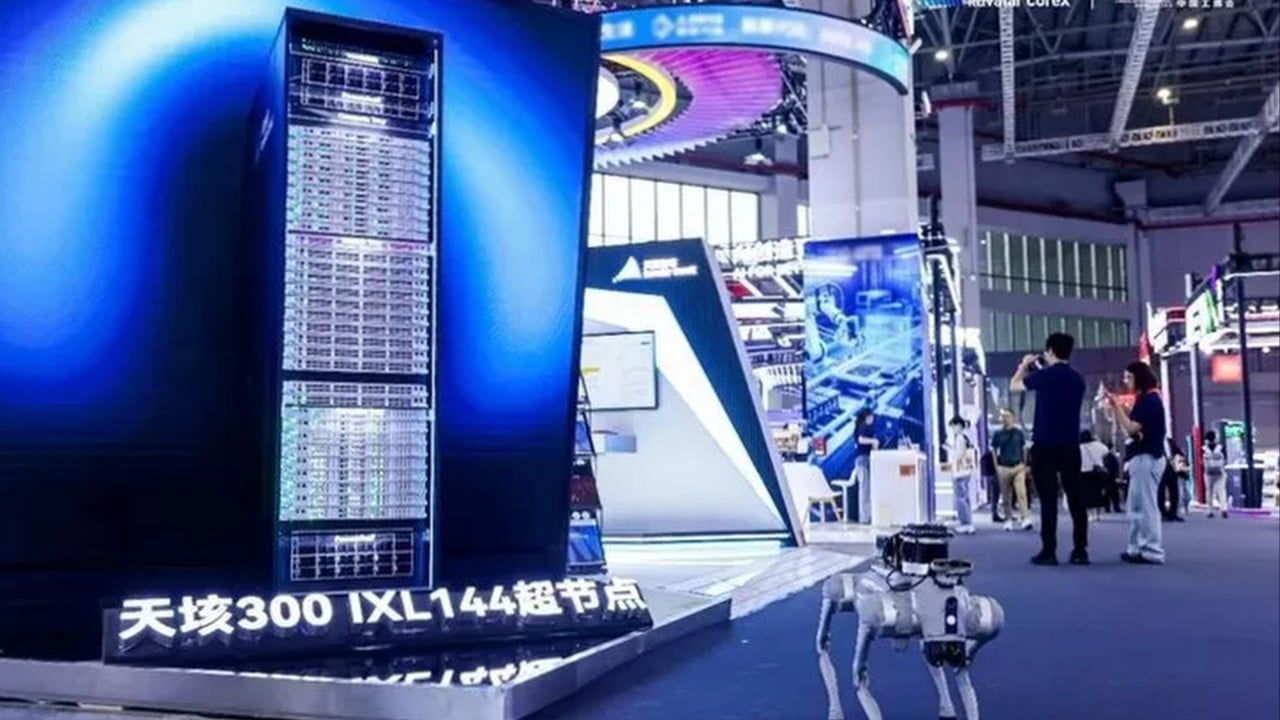
China’s Iluvatar CoreX’s first AI computing supernode squeezes most GPUs in 1 system

FIS Launches Agentic AI Tool for CFOs to Spot Cash Flow Risks Earlier
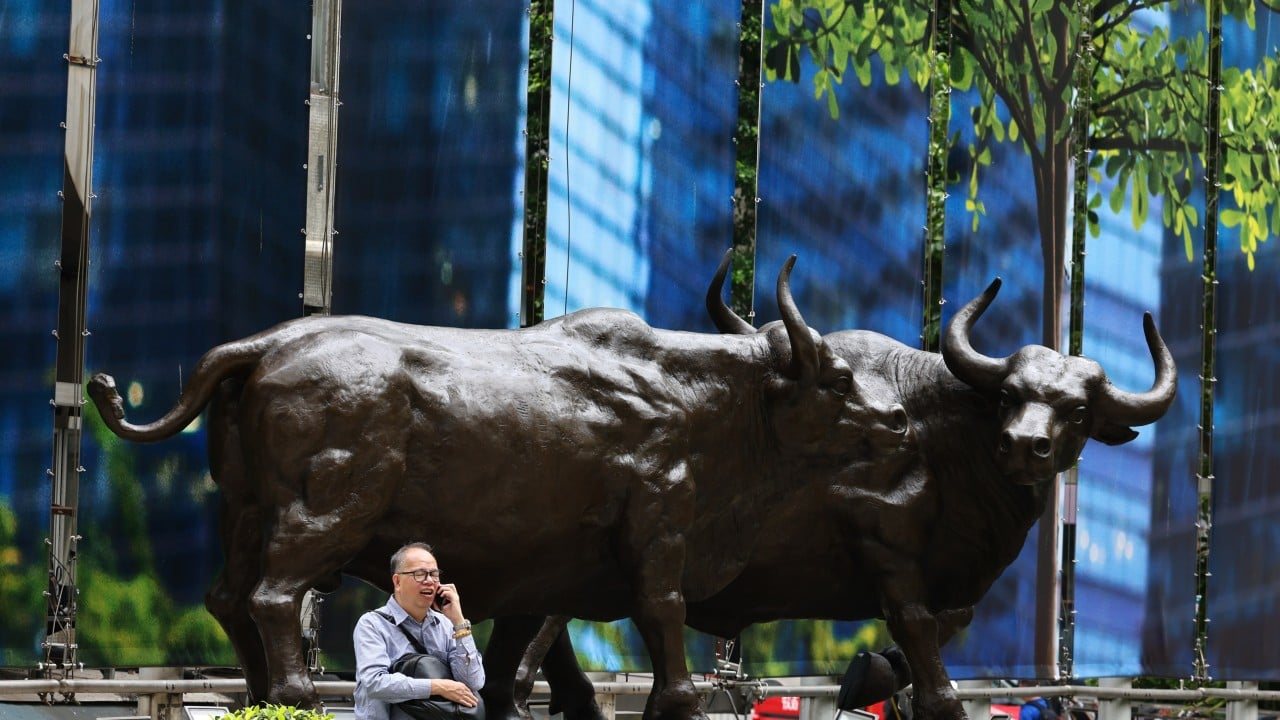
Mainland Chinese traders boost Hong Kong stock buying for fourth month as AI bets surge