Can Chinese AI companies curb cyber risks from open-weight models without losing their edge?
Following high-profile AI hacking incidents, leading Chinese AI model companies are reportedly curbing the cybersecurity capabilities of their advanced open-weight models. Tencent Holdings stated it stripped its latest Hy4 model of "cyber-hacking capabilities" while retaining "cyber defence capabilities," a move reportedly mirrored by Moonshot AI with its Kimi K3.
Chinese artificial intelligence firms, including Tencent Holdings and Moonshot AI, are modifying their advanced open-weight models in response to recent AI hacking incidents. Tencent claims its latest Hy4 model has been specifically stripped of "cyber-hacking capabilities" while preserving its "cyber defence capabilities," with Moonshot AI reportedly making a similar move with its Kimi K3 model.
An "open-weight model" refers to an AI system where the foundational parameters are publicly accessible, allowing for broad inspection and further development. The reported change aims to separate the model's capacity for offensive cybersecurity actions, such as identifying system vulnerabilities or generating malicious code, from its ability to assist in protective measures like threat detection and security analysis.
This initiative indicates an industry effort to manage the risks associated with powerful AI models being misused for cyberattacks, especially when their underlying architecture is publicly available. However, the specific technical methods employed to achieve this functional separation are not detailed, nor is there information on the long-term efficacy of these measures. It remains to be seen if the fundamental knowledge enabling hacking could still be repurposed or exploited by sophisticated users, even after the model is reportedly stripped of such capabilities.
Share this article
Related reading
6 stories
Self-hosted Claude Managed Agents: what you run, what still leaves your network
This piece explores the security implications of self-hosted AI agents, a relevant concern for open-weight models.

Superhuman pushes its Go assistant everywhere
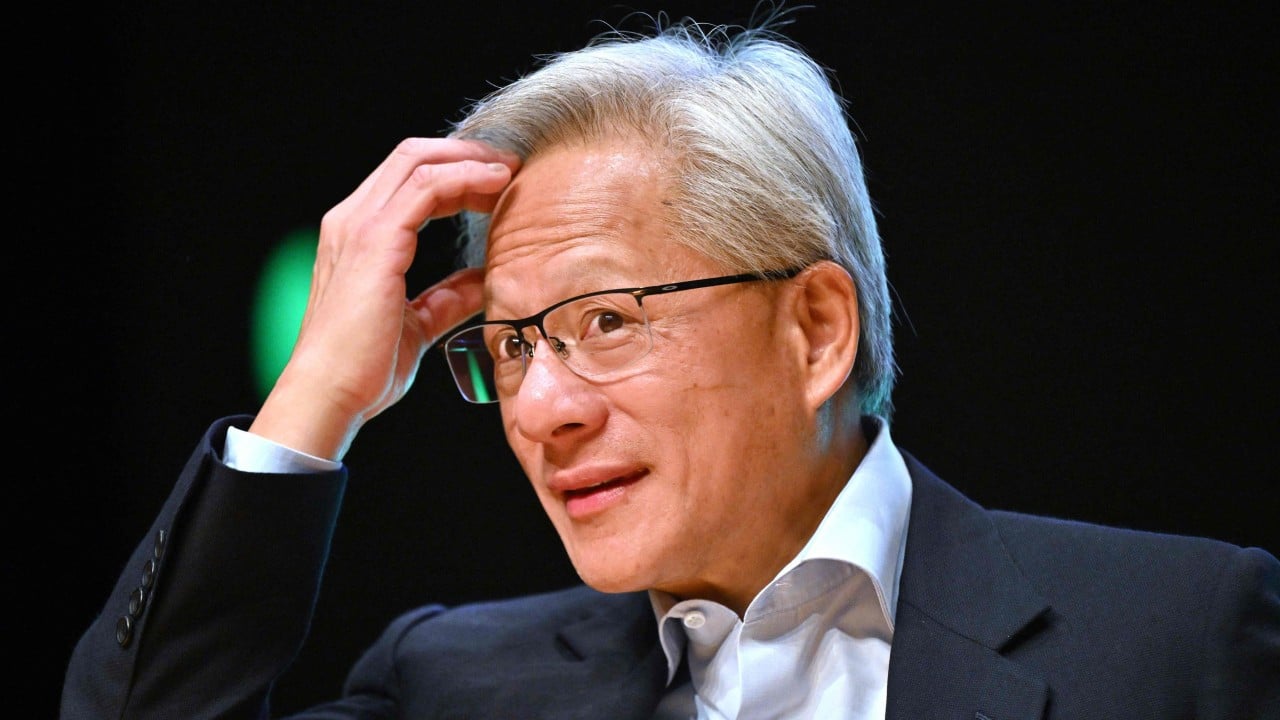
After Jensen Huang’s exit, Nvidia speeds up pay reviews. Will it help retain staff?
Stuck in the Pile: Why India's answer sheets need an AI rescue

Anthropic's historic debut to put AI's promise and peril on Wall St trial