Can 13 million cooperative members become a political force?
The Philippine Chamber of Cooperatives is exploring the formation of a political party to amplify the cooperative movement's voice in national policy. With 20,962 registered cooperatives representing 13.6 million members and P814 billion in assets, the movement aims to field three Senate candidates in 2028. This initiative seeks to translate the economic strength of cooperatives into political influence, addressing concerns that often do not reach the Senate. The plan includes a theoretical P65 million campaign fund from P5 member contributions, though actual participation will be a key measure of engagement. The effort focuses on ensuring cooperative issues like food security and access to financing gain broader legislative attention.
The Philippine cooperative movement, encompassing 13.6 million members and P814 billion in assets, plans to form a political party and field three Senate candidates in 2028. This move aims to give cooperatives a stronger voice in national policy, particularly on issues like food security and financing. While the sheer number of members suggests significant potential, the challenge lies in converting membership into active political engagement and votes. The initiative's success will depend on its ability to select credible leaders who can resonate with both cooperative members and the broader electorate, rather than assuming automatic support. The 2028 elections will serve as a crucial test to measure candidate appeal, message resonance, and the ability to attract voters beyond the cooperative base. The long-term viability of this political endeavor hinges on persistence and adaptation, as political influence, much like cooperative trust, must be earned over time through consistent effort and effective leadership. The cooperative movement's ability to develop nationally competitive candidates who can address wider societal issues will be key to its political impact in the Philippines.
Related reading
6 storiesIdentity: PH’s giant cybersecurity blind spot
We previously explored the Philippines' cybersecurity vulnerabilities, another critical national issue.
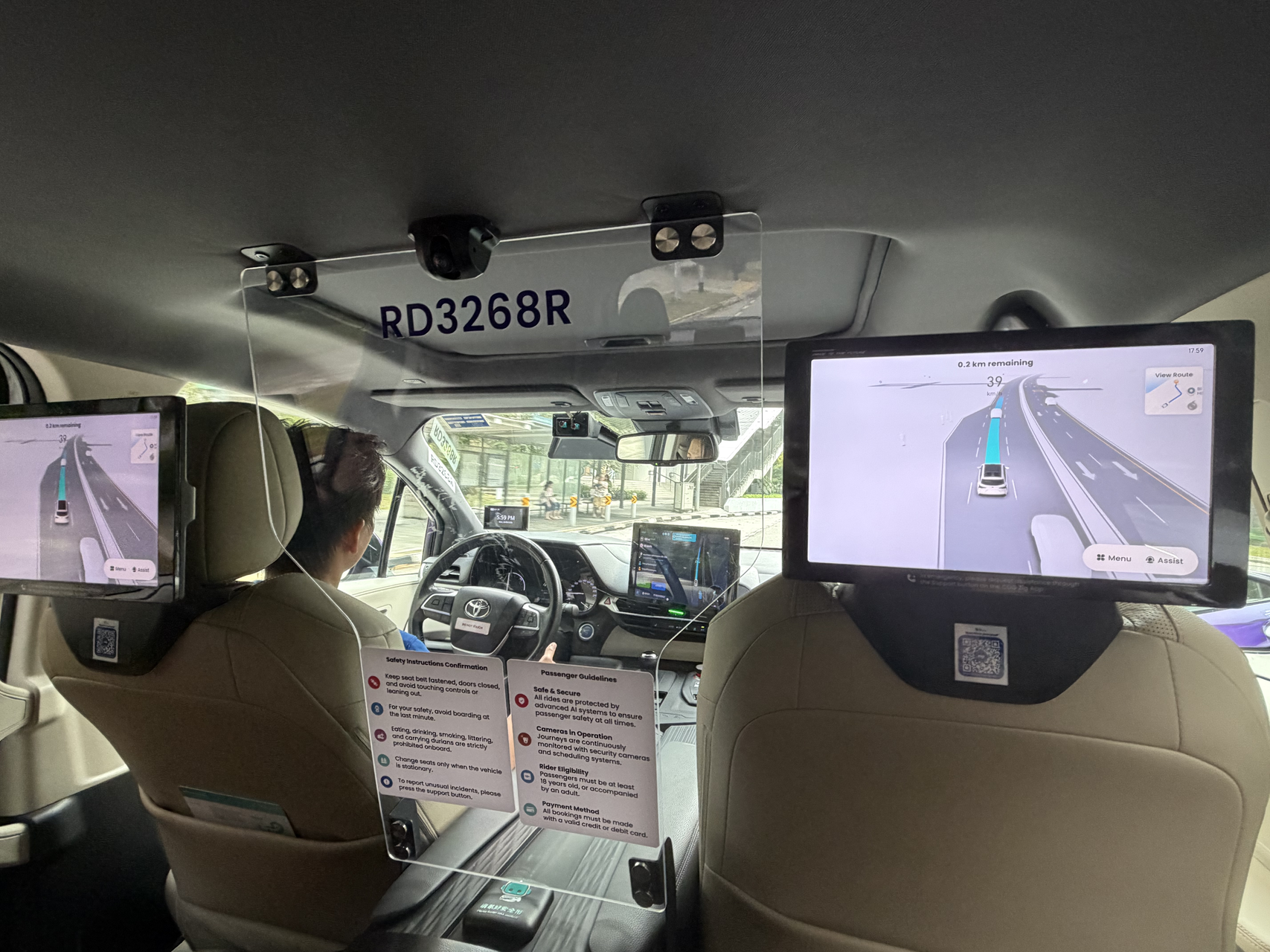
If driverless cars already work, why aren’t they everywhere?

Sumsub Launches Workforce Verification as Deepfake Risks Grow

ByteDance’s AI-enhanced short-drama app eclipses China’s Netflix rivals combined

Timo Joins Top 10 Banks in Vietnam by Customer Satisfaction