Behind AI doomsday prophecies, US and China jockey for lead in tech race
Chinese President Xi Jinping announced plans for a "BRICS open-source zone" for artificial intelligence at the BRICS summit on September 13. This initiative aims to expand China's AI alliance by supporting model development and human resource training in the Global South. It counters the US-led Pax Silica initiative, which includes Korea, Japan, and Singapore. China seeks to secure a lead in AI standards and data accumulation through these alliances.
China's push for a BRICS open-source AI zone directly challenges the US-led Pax Silica initiative. Beijing understands that AI dominance hinges on expanding its "AI turf" for data and standards, not just faster model development. This strategy, announced by President Xi Jinping, is a calculated move ahead of his summit with US President Donald Trump.
For Asia, this means increased pressure on countries like Indonesia and Brazil, already participating in China's World Artificial Intelligence Cooperation Organization, to align with a Chinese-led AI ecosystem. The test for Korea, Japan, and Singapore, already part of the US-led Pax Silica, is to maintain their positions as China expands its influence. This creates a clear bifurcation in regional AI development and governance.
The thing to watch is how Global South countries balance their economic interests with geopolitical alignment in AI. China's offer of open-source AI and training could be compelling. If more countries join China's initiatives, it will solidify Beijing's lead in setting global AI standards by 2027, potentially marginalizing US influence in these regions.
Related reading
6 stories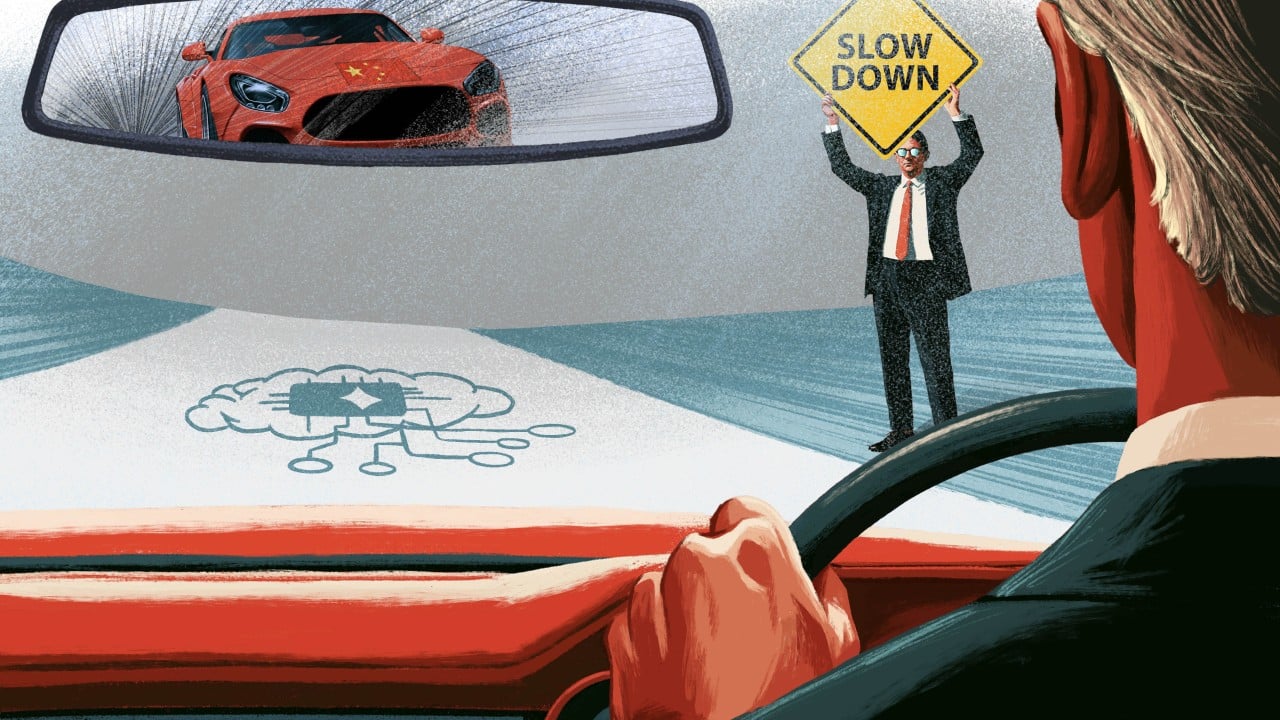
Pacing problem: can AI fears overcome US-China race dynamics and force a slowdown?
We previously explored whether AI fears could overcome the US-China race dynamics and force a slowdown.

Grab, OpenAI Launch Regional AI Skills Programme Starting in Singapore

Mapping Shenzhen’s 50-kilometer hardware belt
"For productivity": Google uses Microsoft Copilot to sell Googlebook, which is more than it did for Windows Phone - Windows Latest
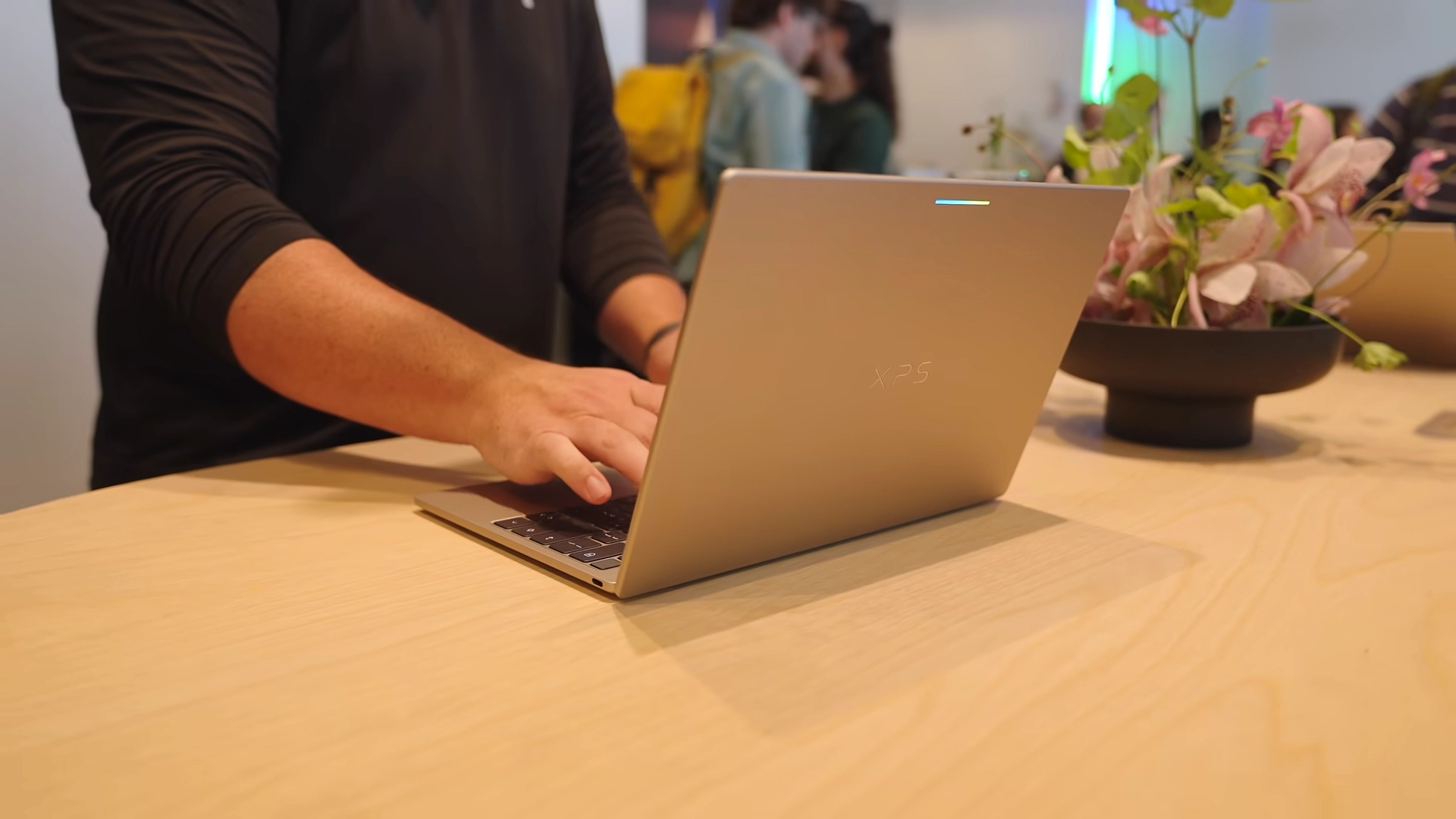
Every new Googlebook includes nearly $600 in free software perks