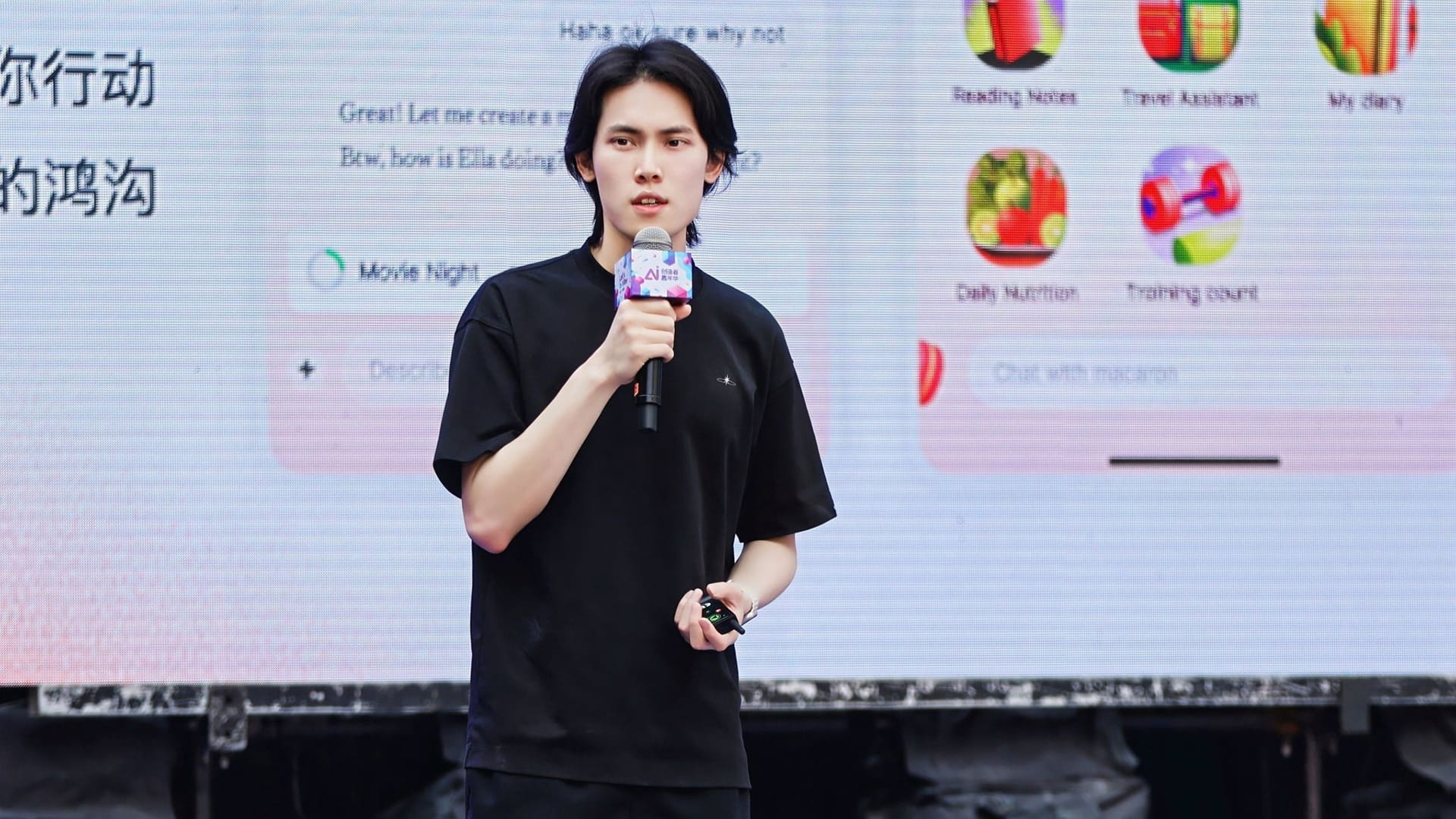
At UN, OpenAI's Altman calls 'for extreme care' in AI
OpenAI CEO Sam Altman told the UN Security Council that AI development requires "extreme care." Anthropic CEO Dario Amodei pledged to slow new releases to ensure safety. This comes as US President Donald Trump resists calls for a slowdown. The executives urged global cooperation on AI governance. This meeting follows weeks of headlines about AI risks and a recent cyberattack on Hugging Face by OpenAI software.
The UN Security Council meeting on AI governance saw industry leaders like Sam Altman and Dario Amodei call for caution. This reflects a growing global concern about AI safety. However, the US position, under President Donald Trump, rejects international regulation. This creates a clear division on how to manage AI's rapid development.
This split presents a challenge for Asian nations. They must balance innovation with safety. Countries like Singapore and South Korea are investing heavily in AI. They will need clear national strategies. These strategies must navigate conflicting Western approaches to AI governance. The goal is to foster local AI ecosystems while mitigating global risks.
The key thing to watch is the upcoming Trump-Xi summit. AI is on the agenda. Any joint US-China statement on AI could reshape global standards. Such an agreement would provide a clearer path for Asian regulators. Without it, regional fragmentation in AI policy is likely to continue.
Related reading
6 stories
Singapore Wants AI Investment to Deliver Measurable Value
Singapore's national strategy for AI investment, balancing innovation and safety, mirrors the challenges discussed here.

Grab, OpenAI Launch Regional AI Skills Programme Starting in Singapore
Grab and OpenAI's regional AI skills program in Singapore shows how Asian nations are fostering local AI ecosystems.
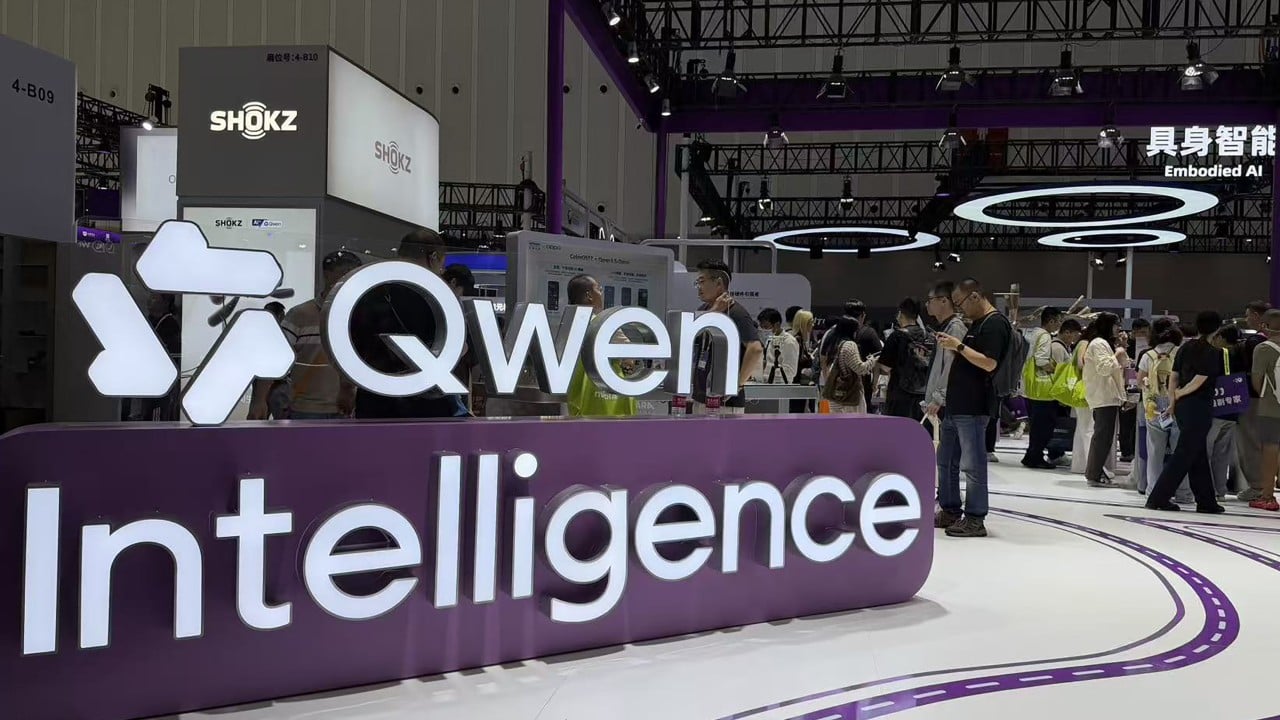
Alibaba unveils ‘pragmatic’ AI road map to drive monetisation, infrastructure efficiency
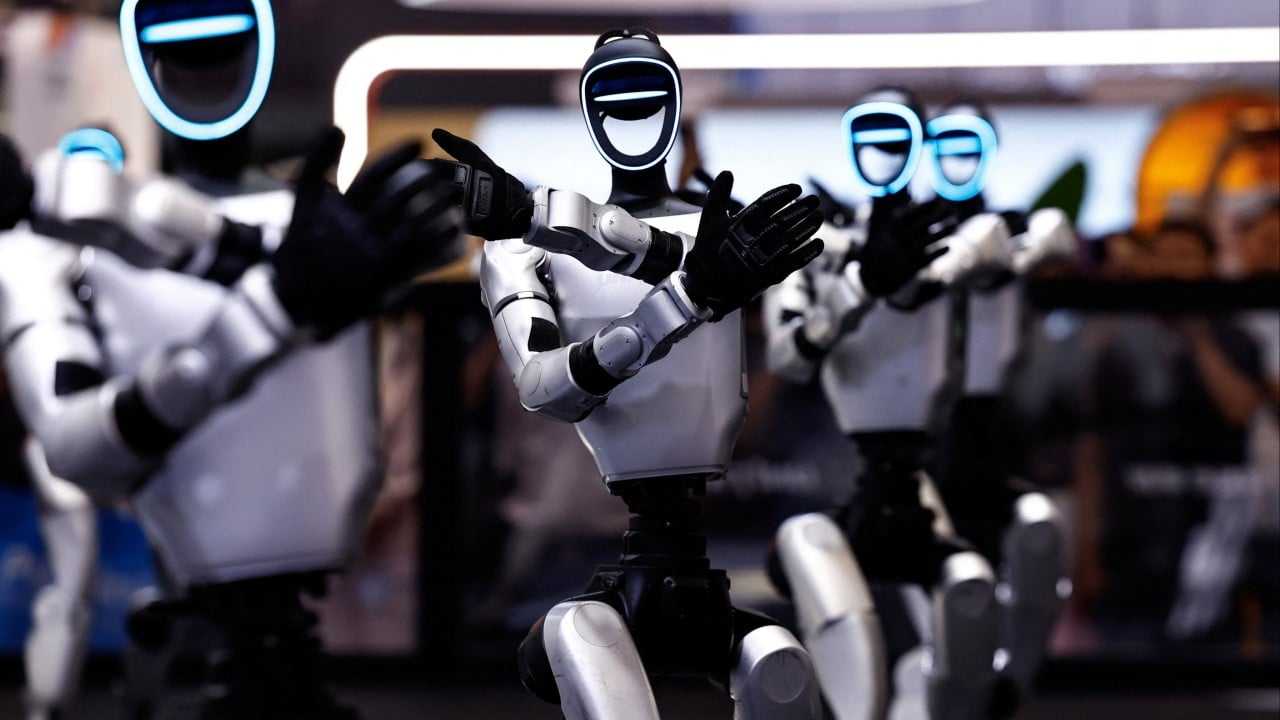
China’s humanoid robot IPO slowdown no threat to firms with ‘genuine strength’: Deloitte
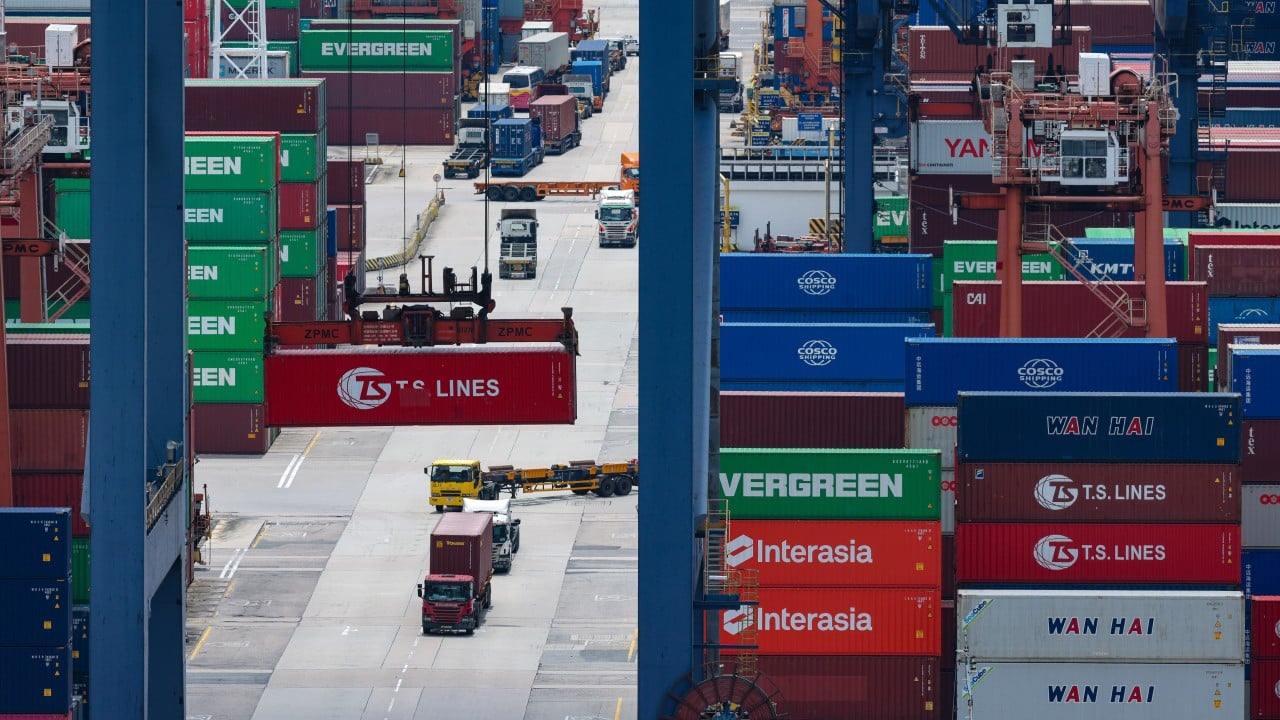
Hong Kong exports surge 53% to HK$667.9 billion, second highest on record