Apple Vision Pro's development graveyard exemplifies Apple's '1,000 no's to every yes'
Apple's development process for the Vision Pro involved thousands of internal prototypes that did not reach production. This reflects the company's long-standing strategy of rejecting many ideas for every one it pursues. Pundits often misinterpret this restraint as failure, comparing Apple to other tech giants like Meta or Google. The company remains the sole arbiter of the Vision Pro's success or failure, according to AppleInsider.
Apple's '1,000 no's to every yes' approach for Vision Pro is not a flaw; it is core to its product strategy. This high internal rejection rate reflects a deliberate pursuit of a singular vision, not a lack of innovation. Other companies push many products to market. Apple prioritizes a refined user experience over breadth of offerings.
This strategy impacts Asia by limiting the immediate market for new hardware components from regional suppliers. Asian manufacturers often benefit from Apple's scale, but a slow, deliberate product rollout means fewer initial orders. The long-term upside remains for those who secure a spot in Apple's supply chain, but the entry bar is higher.
The thing to watch is whether this slow-burn approach truly differentiates Vision Pro in Asia's competitive mixed reality market by 2027. If Apple fails to gain significant traction, its cautious strategy could leave it behind more agile Asian competitors like Tencent or ByteDance, which rapidly iterate on new consumer tech.
Share this article
Related reading
6 stories
How Can Banks Launch New Products Without Replacing Their Core?

Wise Rolls Out Overseas QR Payments, Customisable eSIM Plans

NYC Council Speaker Julie Menin warns of AI's 'existential' risks

What Are OpenAI Dots And Do You Need Them?
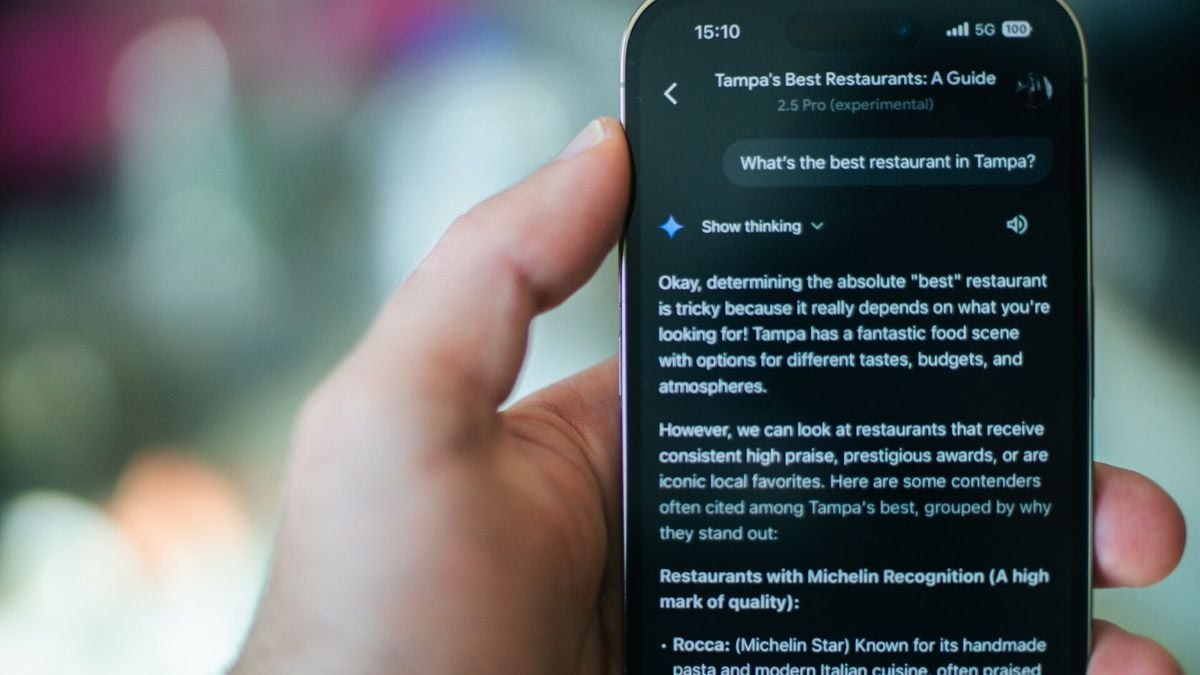
Google to roll out new Map tool in Gemini app to help with location-based prompts