Anthropic's slide tests Wall Street's lofty bets on future AI profits
Shares of Anthropic, developer of the AI model Claude, traded below their $83 initial public offering price and nearly 30 percent below their November 19 opening price. This decline has intensified investor scrutiny of high technology valuations, prompting questions about the profitability of even major beneficiaries of the artificial intelligence boom.
Anthropic, known for its Claude AI model, has seen its shares fall to around $80.50, below the $83 IPO price and nearly 30 percent lower than its opening price on November 19. This swift reversal highlights growing market unease regarding the valuations of technology companies, particularly those linked to artificial intelligence.
The scrutiny extends beyond Anthropic. A Reuters analysis of LSEG data indicates that 60 of 86 Nasdaq-100 companies with positive earnings multiples saw their forward 12-month earnings forecasts rise over the past three months. Despite this, shares in 37 of those companies declined during the same period, suggesting that improving earnings prospects are not uniformly translating into higher stock prices.
Several prominent tech firms illustrate this trend. Nvidia shares have fallen about 25 percent over the last three months, even with a nearly 20 percent increase in its earnings forecasts. This was partly attributed to volatile swings around CEO Jensen Huang's abrupt exit and reinstatement. Similarly, Marvell Technology and Lumentum each lost more than 40 percent of their market value despite earnings estimates rising by 15 percent and 20 percent, respectively.
Despite these selloffs, substantial valuation premiums persist. The 25 most richly valued companies in the Nasdaq-100, many with exposure to AI and other emerging technologies, traded at a median of 38 times projected earnings for the next 12 months. This compares to 18 times for other companies with positive earnings multiples, according to Reuters calculations.
Anthropic itself exemplifies how much future growth is already factored into technology share prices. Morningstar's fair value estimate of $92 per share, just 12 percent above Anthropic's recent closing price, assumes its annual revenue will increase nearly sevenfold over the next five years. Morningstar's estimates vary widely, from $25 to $188 per share under different scenarios, underscoring the sensitivity of Anthropic's valuation to assumptions about its future growth and profitability.
The cost of delivering the growth implied by these valuations poses another challenge to future profitability. CoreWeave, for instance, reported a 168 percent rise in third-quarter revenue to $3.66 billion and a contracted revenue backlog of $132.5 billion. However, this growth came alongside a net loss and substantial planned capital spending, illustrating the significant investment required to support AI infrastructure.
The reassessment of valuations has been uneven across the tech sector. While forward price-to-earnings multiples for cybersecurity firms like Fortinet and Palo Alto Networks rose, multiples for companies such as Sandisk, Nvidia, and Intuit Inc contracted. Christopher Gannatti, global head of research at asset manager WisdomTree, suggests investors pay for earnings they believe will last and discount those they think will fade. He contrasts Palantir's high valuation (65 times forward earnings) with memory-chip maker Micron's much lower multiple (3.5 times), arguing that high memory prices could spur additional supply and eventually depress prices and profits.
Share this article
Related reading
6 stories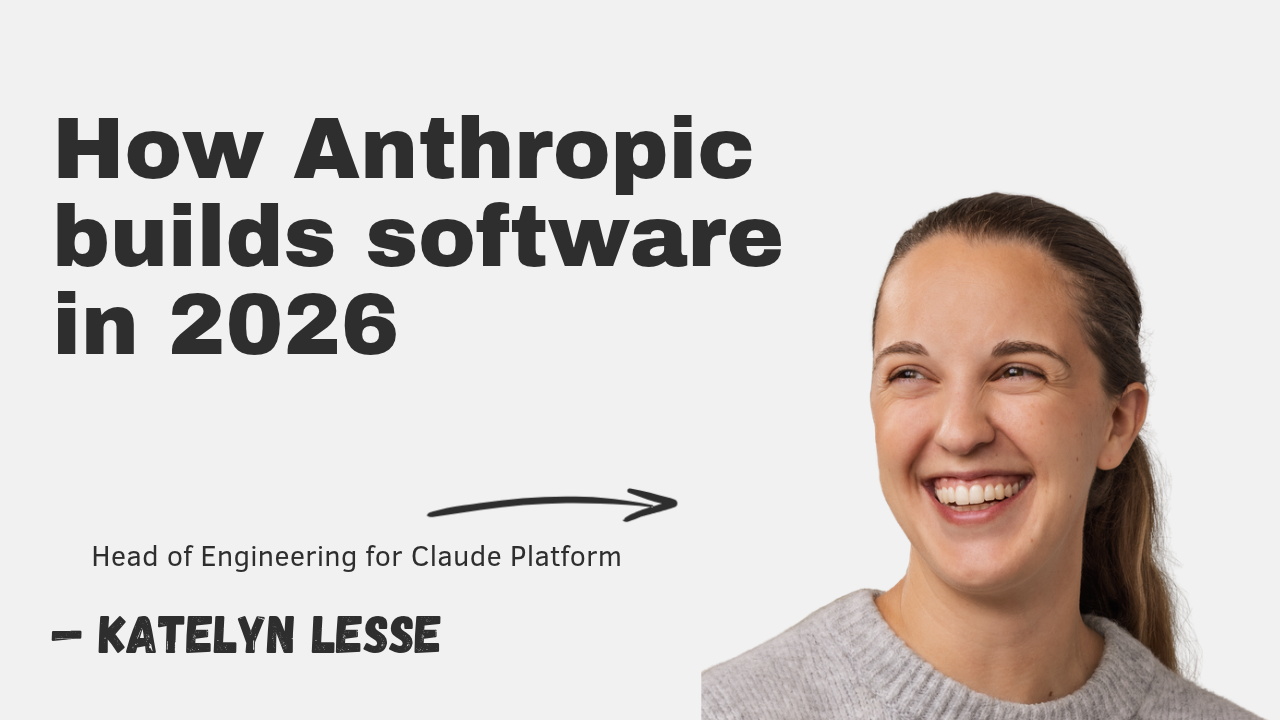
How Anthropic builds software in 2026 with Katelyn Lesse
We previously explored how Anthropic builds its software, offering a look inside the company now facing market scrutiny.
Anthropic says Claude helped rewrite its Messages API in Rust—but tests weren’t enough
Anthropic's Claude model is central to its valuation; we previously covered its role in rewriting the Messages API.

Musk says Google is interested in renting more computing capacity from SpaceX
Poster says Gemini 4 Neon draws praise while early GPT-6.2 Astra reception is muted

Hold Space to talk and more this week in RexIDE